
Ambiance: fire bowls vs. torches
The question of whether a backyard fire bowl or tiki torches create better ambiance isn't easily answered. It’s fundamentally about the feeling you're trying to evoke. Fire bowls tend to create a more substantial, grounding presence—a focal point for gathering. Tiki torches, on the other hand, offer a more scattered, playful light, often reminiscent of a tropical or festive atmosphere.
Ambiance is, of course, subjective. However, practical elements heavily influence it. The fuel source plays a significant role; a crackling wood fire inherently feels different than a consistent propane flame. The size and intensity of the flame are also important. A roaring fire bowl demands attention, while a cluster of tiki torches provides a softer, more diffused glow.
A concrete bowl fits a modern patio, while bamboo torches are better for a casual, backyard setup. The right choice depends on whether you want a permanent fixture or something you can stick in the ground and move next weekend.
Fuel types and how they burn
The fuel you choose dramatically impacts both the ambiance and the practicality of your outdoor fire feature. For fire bowls, the primary options are wood, propane, and sometimes gel fuels. Wood-burning bowls offer that classic campfire smell and visual appeal, but come with the drawbacks of smoke, ash, and the need for constant tending. Propane bowls provide convenience and a cleaner burn, though some find the flame less 'natural'-looking.
Gel fuels represent a compromise. They’re easy to use and produce minimal smoke, but can be expensive and often don’t generate the same level of heat. Tiki torches traditionally use citronella oil, prized for its insect-repelling properties, but the scent isn’t universally appealing. More modern tiki torches can utilize traditional torch fuels, which burn hotter but may also produce more smoke. It’s a trade-off.
Cost is a major factor. Wood can be relatively inexpensive if you have access to a supply, but propane tanks require refills. Gel fuel is consistently the most expensive option per BTU. Environmental impact is also worth considering. Wood burning releases particulate matter into the air, while propane is a fossil fuel. Citronella oil is generally considered a more sustainable option, though its effectiveness as an insect repellent varies. The flame quality itself is affected too; a wood fire dances and shifts, while propane burns with a steady, consistent blue hue.
The smell is often overlooked. While many enjoy the smell of burning wood, it can be intrusive for neighbors. Citronella oil has a strong, citrusy scent that some find overpowering. Propane is odorless, which can be a pro or a con depending on your preference.
Fire bowl styles
Fire bowls have come a long way from simple metal containers. Today, you’ll find a wide range of styles to suit any outdoor decor. Sleek, contemporary designs often feature copper or stainless steel, with clean lines and minimalist aesthetics. These tend to create a sophisticated, modern ambiance. More rustic options utilize stone or cast iron, offering a more natural, earthy feel.
The material of the bowl affects both its appearance and its performance. Copper bowls develop a beautiful patina over time, while stainless steel is more durable and resistant to rust. Stone bowls retain heat well, providing a longer-lasting warmth. The shape of the bowl also matters. Round bowls distribute heat evenly, while rectangular bowls can create a more dramatic focal point.
I’ve been particularly interested in concrete fire bowls recently. They offer a unique texture and a substantial weight, which makes them very stable. They can be molded into a variety of shapes, and their neutral color blends well with many outdoor settings. The shape and design influence the dispersion of light and heat; a wider bowl will cast a broader glow, while a deeper bowl will concentrate the warmth.
Tiki torches beyond bamboo
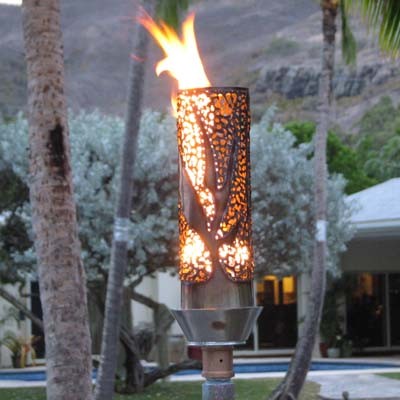
The traditional image of a tiki torch—a bamboo pole with a flaming wick—is still prevalent, but the market has significantly expanded. Modern tiki torches now come in a variety of materials, including metal, ceramic, and even durable plastics. These materials offer greater longevity and a more refined aesthetic. Some designs incorporate intricate cutouts that cast interesting patterns of light and shadow.
Metal torches, particularly those made from stainless steel, are more resistant to the elements and less likely to tip over. Ceramic torches can add a touch of elegance, but they are more fragile. Solar-powered tiki torches are also gaining popularity, offering a convenient and eco-friendly alternative to traditional fuel-burning models, although their light output is typically lower.
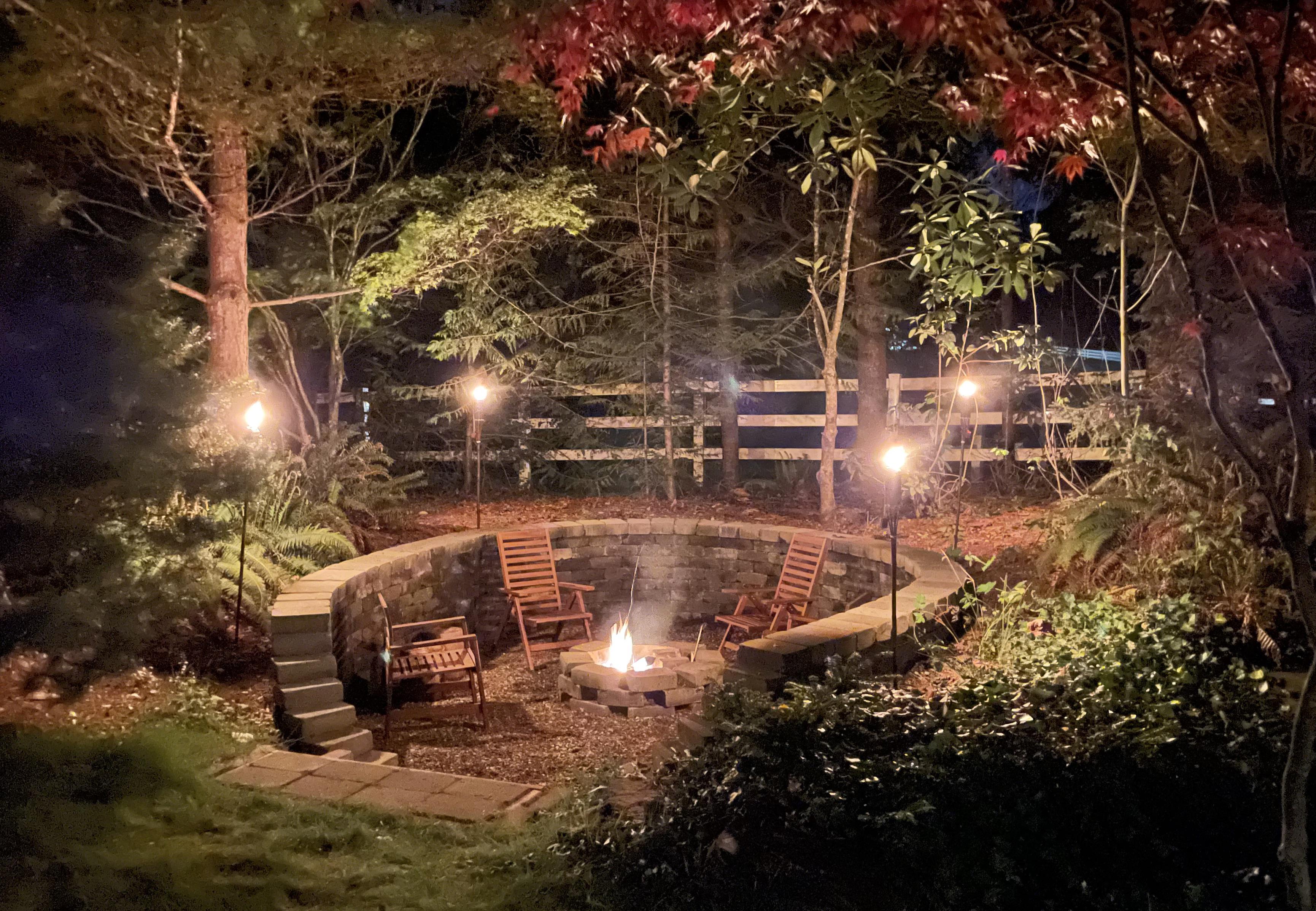
The 'tiki' aesthetic can be polarizing. Some find it charming and festive, while others consider it kitschy. To use tiki torches tastefully, consider opting for more minimalist designs and avoiding overly ornate decorations. Grouping torches strategically can create a more sophisticated look than simply scattering them around the yard. Consider the scale; a few well-placed torches are often more effective than a large number of cheap-looking ones.
Featured Products

Weather-resistant bamboo construction · Easy-pour wide-mouth canister for simple refills · 57-inch height for prominent placement
These TIKI Bamboo Tiki Torches provide a classic, tropical ambiance with convenient features for easy setup and maintenance.

Set of 6 metal torches · Large 22oz capacity fuel canister · Upgraded 59.5-inch height with a stable 5-prong stake
This Home Garden Torch set offers a durable and substantial lighting solution with a larger fuel capacity for extended use.
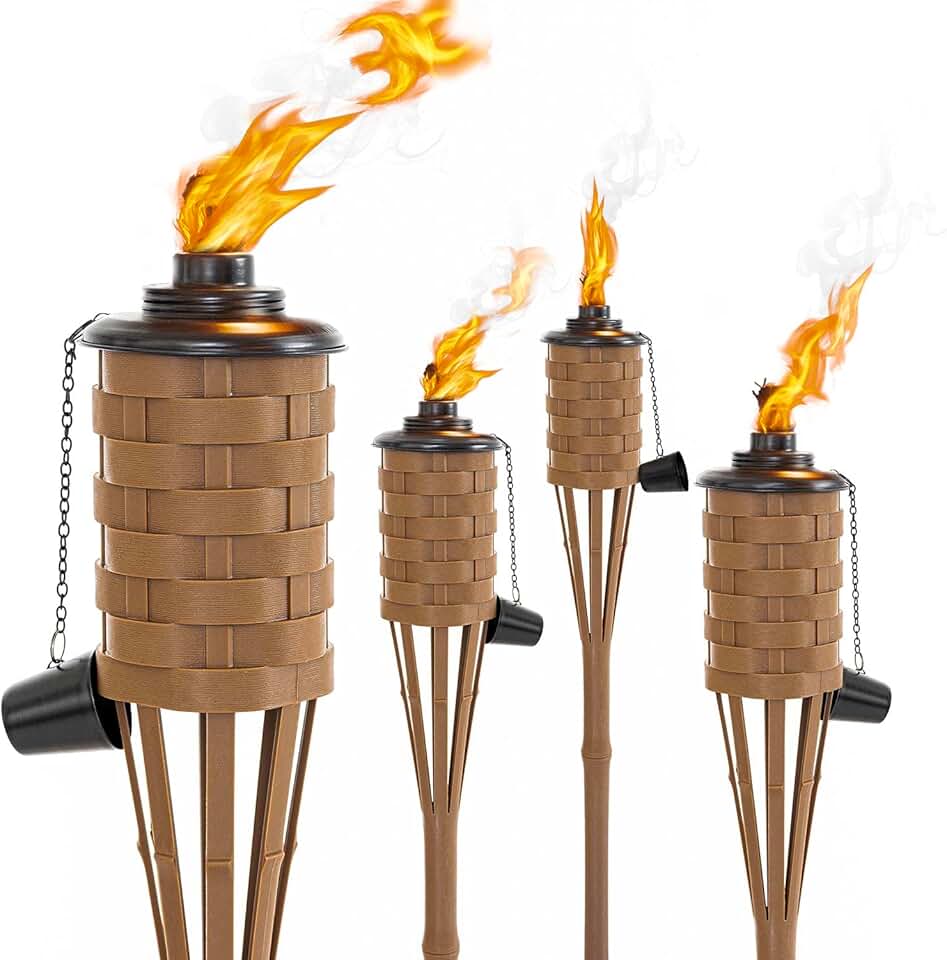
Pack of 4 bamboo torches · 60-inch height · Wide-mouth metal canister for easy refueling
ONETHATCH Citronella Torches deliver a tall, attractive bamboo design ideal for creating a festive atmosphere at parties and gatherings.

1-gallon (128 oz.) fuel capacity · Contains Citronella and Lemongrass Oil · Easy-pour spout for convenient refilling
This TIKI Citronella Torch Fuel is a long-lasting, easy-to-use fuel option designed to enhance the ambiance of your outdoor spaces.

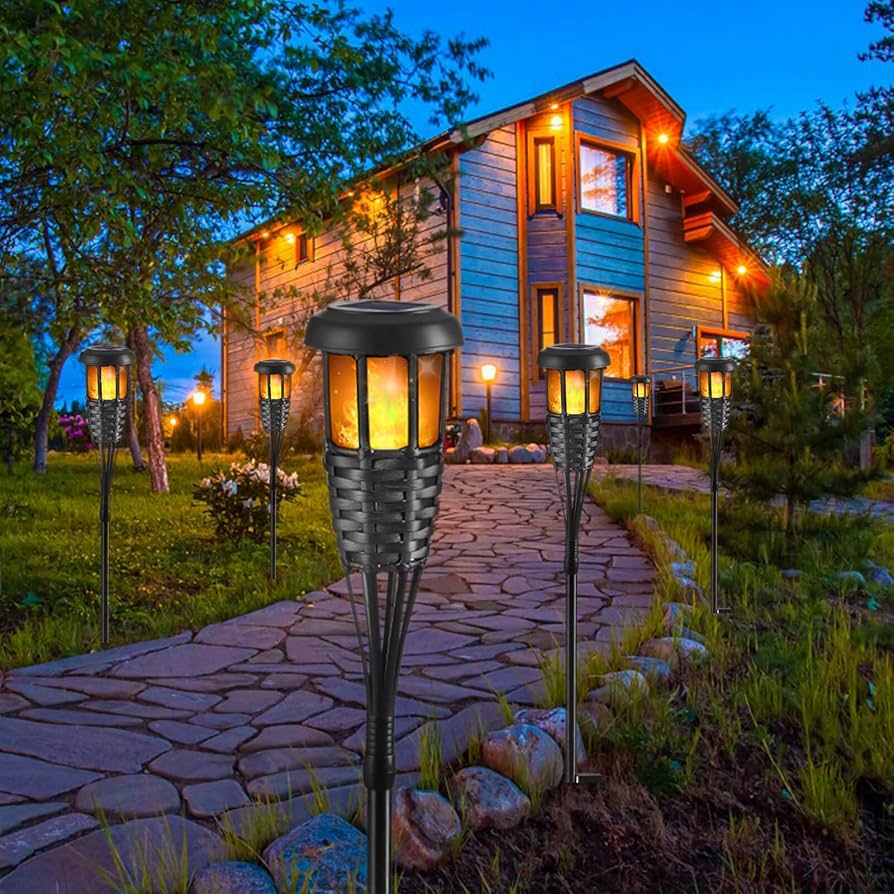
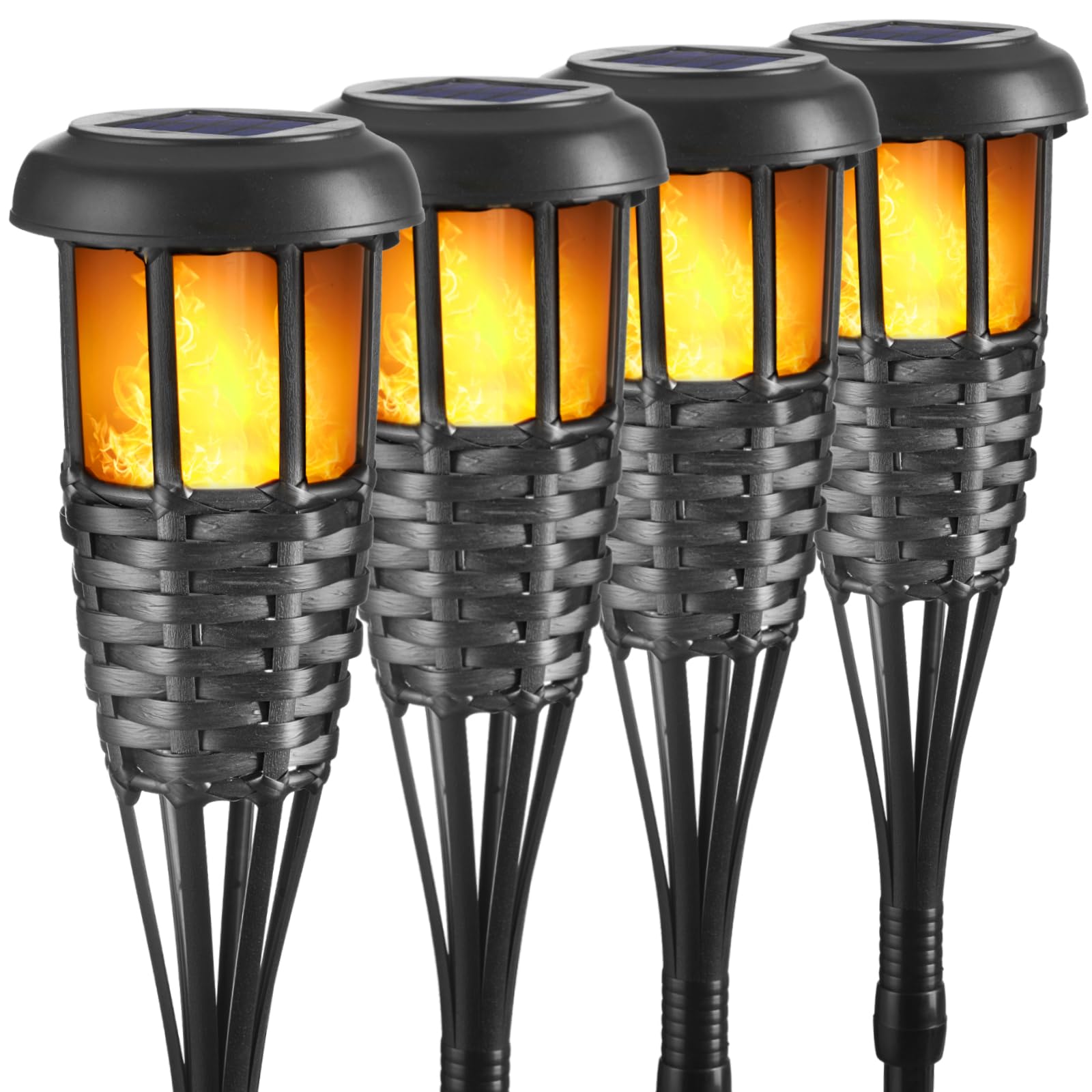
Pack of 6 solar-powered lights · Realistic flickering flame effect · 43-inch height with a 2200mAh battery
The Otdair Solar Lights offer an eco-friendly and maintenance-free way to illuminate your yard with a captivating flame effect.
As an Amazon Associate I earn from qualifying purchases. Prices may vary.
Installation and safety
Installation requirements vary depending on the type of fire feature. Fire bowls typically require a level, non-flammable surface, such as a concrete patio or stone pavers. Propane fire bowls also need a propane tank and a connection hose. Tiki torches are generally easier to install, but require a stable base and a safe distance from flammable materials.
Safety is paramount. Always maintain a safe distance between your fire feature and any combustible materials, such as trees, shrubs, and furniture. Be mindful of wind conditions, as strong gusts can spread embers. Never leave a fire unattended, and always have a fire extinguisher or a water source nearby. Ensure proper fuel handling procedures are followed, and store fuel in a safe location.
Local regulations may also apply. Some municipalities require permits for fire bowls, especially those that burn wood. Homeowners associations (HOAs) may have restrictions on the type of fire features allowed. It's important to check with your local authorities before installing any outdoor fire feature. Responsible fire use is essential for enjoying your outdoor space safely.
The real cost of ownership
The initial purchase price is only one part of the equation. Long-term expenses, such as fuel and maintenance, can significantly impact the overall cost of ownership. Wood-burning fire bowls require a consistent supply of wood, which can range in price depending on your location and the type of wood. Propane fire bowls require refills of propane tanks, typically costing around $20-$50 per fill depending on tank size.
Gel fuel is consistently the most expensive option, with costs ranging from $5-$10 per can. Tiki torches require regular refills of citronella oil or torch fuel, which is relatively inexpensive but adds up over time. Maintenance costs vary depending on the type of fire feature. Wood-burning bowls require regular cleaning to remove ash and debris. Propane bowls may need occasional cleaning of the burner and ignition system.
Replacement parts, such as wicks for tiki torches or burners for fire bowls, will eventually need to be replaced. While these costs aren't huge, they should be factored into your budget. A propane fire bowl will likely have lower ongoing maintenance costs than a wood-burning one, but the cost of propane refills can be substantial over the long term.
Fire Bowls vs. Tiki Torches: A Comparative Analysis for Outdoor Ambiance (2026)
| Criterion | Fire Bowls | Tiki Torches |
|---|---|---|
| Initial Cost | Medium to High | Low to Medium |
| Ongoing Fuel Cost | Medium | Low to Medium |
| Maintenance Effort | Medium | Low |
| Installation Complexity | Medium to High | Low |
| Safety Concerns | Medium | Medium |
| Ambiance Flexibility | High | Medium |
| Environmental Impact | Medium | Medium |
Illustrative comparison based on the article research brief. Verify current pricing, limits, and product details in the official docs before relying on it.
Smart features and new fuels
Smart tech is hitting the backyard. You can now buy fire bowls that connect to your phone for remote ignition and flame height adjustments. Outdoor Fire & Patio sells models where you can change the flame color from an app, which is great for safety if you want to shut everything down from inside the house.
Bioethanol fuel is emerging as a promising alternative to traditional fuels. It’s a renewable energy source made from plant-based materials, and it burns cleanly with minimal smoke. However, it can be more expensive than propane or wood. I’ve seen some development in fuel cells designed for outdoor use, but their long-term viability remains to be seen.
I anticipate that we’ll see more sophisticated sensors that automatically adjust the flame based on wind conditions and ambient temperature. Voice control integration is also likely to become more common. The trend is towards convenience, safety, and sustainability. We'll also likely see more emphasis on modular designs that allow users to customize their fire features to suit their specific needs.

Solo Stove Bonfire 19.5" Smokeless Fire Pit with Removable Ash Pan | Portable Outdoor Fire Pit | Stainless Steel - Wood Burning Lightweight Fireplace | Ideal for 4-6 People, 20 lbs
- Smokeless fire technology
- Removable ash pan for easy cleanup
- Durable stainless steel construction
- Portable design with included carrying case
- Ideal for gatherings of 4-6 people
For a sophisticated and smokeless ambiance that elevates your outdoor gatherings, the Solo Stove Bonfire offers a superior, modern alternative to traditional tiki torches, providing warmth and a captivating focal point.
View on Amazon →As an Amazon Associate I earn from qualifying purchases.
No comments yet. Be the first to share your thoughts!