
Fire vs. filaments
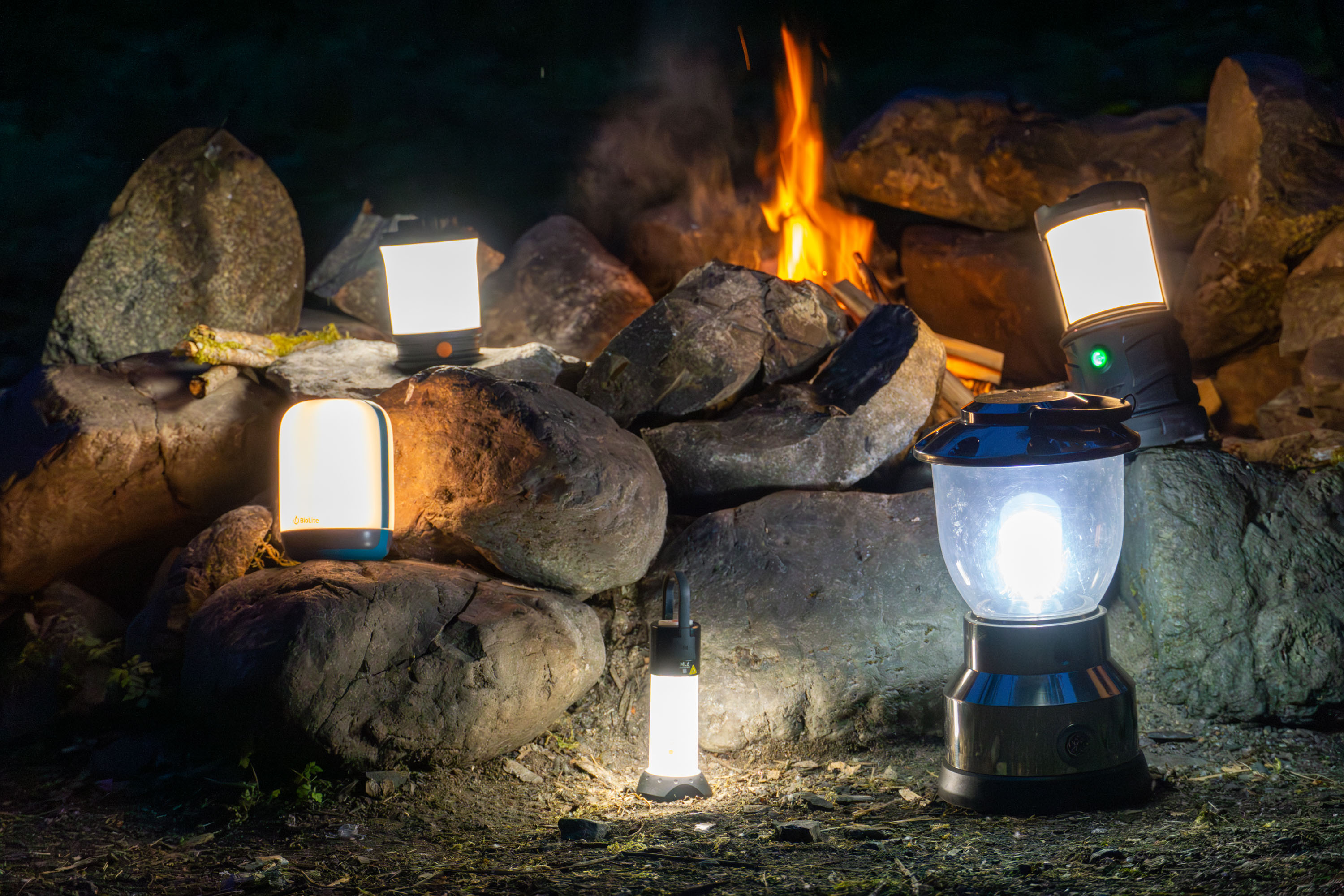
For decades, the bamboo tiki torch was the only real way to light up a backyard path. It still works, but solar-powered LEDs are finally catching up. Better batteries and brighter bulbs mean you don't have to mess with fuel anymore to get a decent glow.
Initially, LED torches were seen as a compromise – a safer, cleaner option, but lacking the genuine warmth and flicker of a real flame. Those days are largely over. Modern LED torches can convincingly mimic the look of fire, and offer features traditional torches simply can’t match. This isn’t just about aesthetics, it’s about convenience, safety, and a growing desire for more control over your outdoor lighting.
Amazon’s best sellers list for landscape lanterns and torches shows a clear trend: while traditional torches still hold a presence, the number of LED and solar options is expanding quickly. This reflects a broader consumer interest in energy-efficient and low-maintenance solutions for outdoor living. The appeal of a real flame endures, but the practicality of modern technology is proving incredibly persuasive.
Choosing between them comes down to whether you value the smell of real citronella over the set-it-and-forget-it nature of solar panels. Here is how the costs and safety of both options actually stack up.
The case for real flames
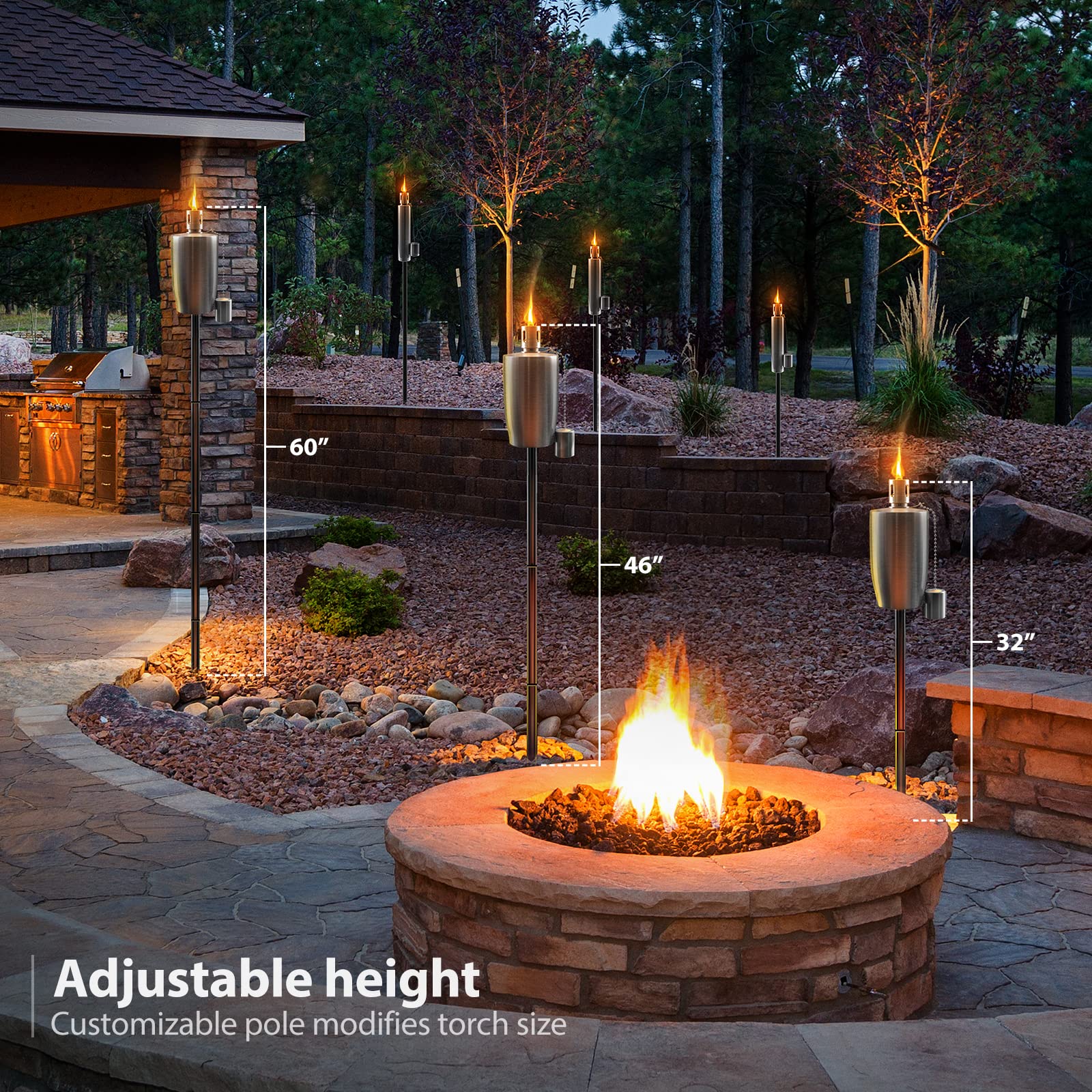
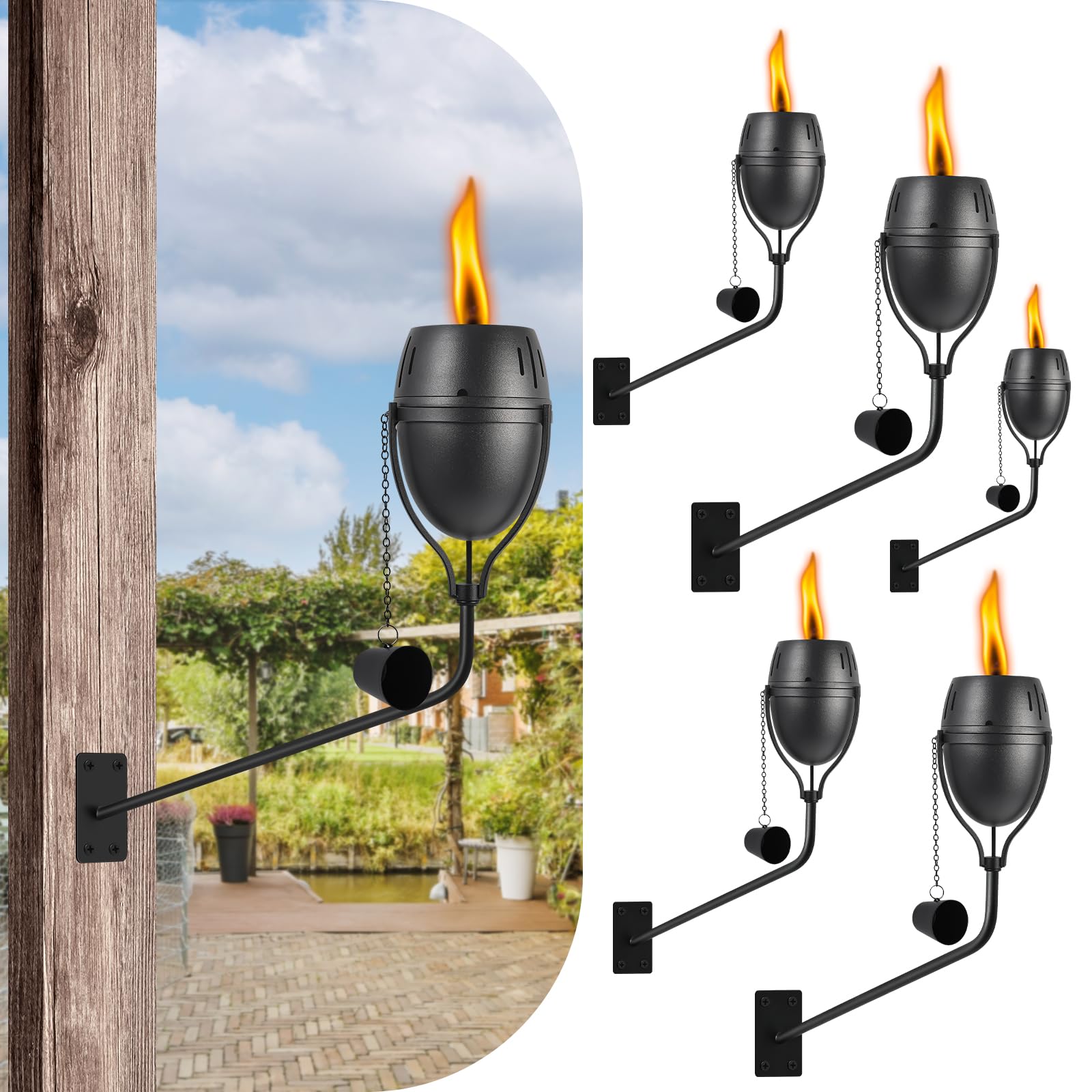
Traditional flame torches rely on a simple principle: combustible fuel burned within a container. The most common fuels are citronella oil – valued for its insect-repelling properties – and paraffin. Bamboo is the iconic housing material, though you'll also find metal and ceramic options. There’s a certain romance to a flickering flame, and the warmth it provides, even if minimal, is a definite plus.
However, the downsides are significant. Safety is a primary concern. An open flame is always a fire hazard, especially in dry or windy conditions. Constant supervision is necessary, and proper extinguishing is critical. Citronella oil, while effective against mosquitoes, has a distinct smell that some people find unpleasant. The smoke produced can also be irritating, particularly for those with respiratory sensitivities.
Maintenance is another factor. Torches require regular refilling, wick trimming, and cleaning. The glass chimneys can break, and the metal components can rust. According to consumer reports, the cost of fuel can add up over time, especially if you're using multiple torches. Amazon listings for citronella oil show a gallon typically costs between $15 and $30, and this needs replenishing frequently.
Prices for traditional torches vary widely. A basic bamboo torch can be found for under $20, while more elaborate metal designs can easily exceed $100. The overall ambiance is hard to beat, but the practical considerations are substantial. They’re best suited for occasional use, in areas where safety concerns are minimal and the smell of citronella isn’t an issue.
- Real fire provides a look and heat that LEDs can't perfectly replicate.
- Cons: Fire hazard, requires constant supervision, produces smoke and odor, needs regular maintenance, fuel costs add up.
Featured Products

Replacement poles for TIKI Brand torches · Durable black finish · Designed for TIKI style torches
These replacement poles offer a cost-effective solution for maintaining existing TIKI Brand torches, ensuring continued functionality and aesthetic appeal for outdoor spaces.
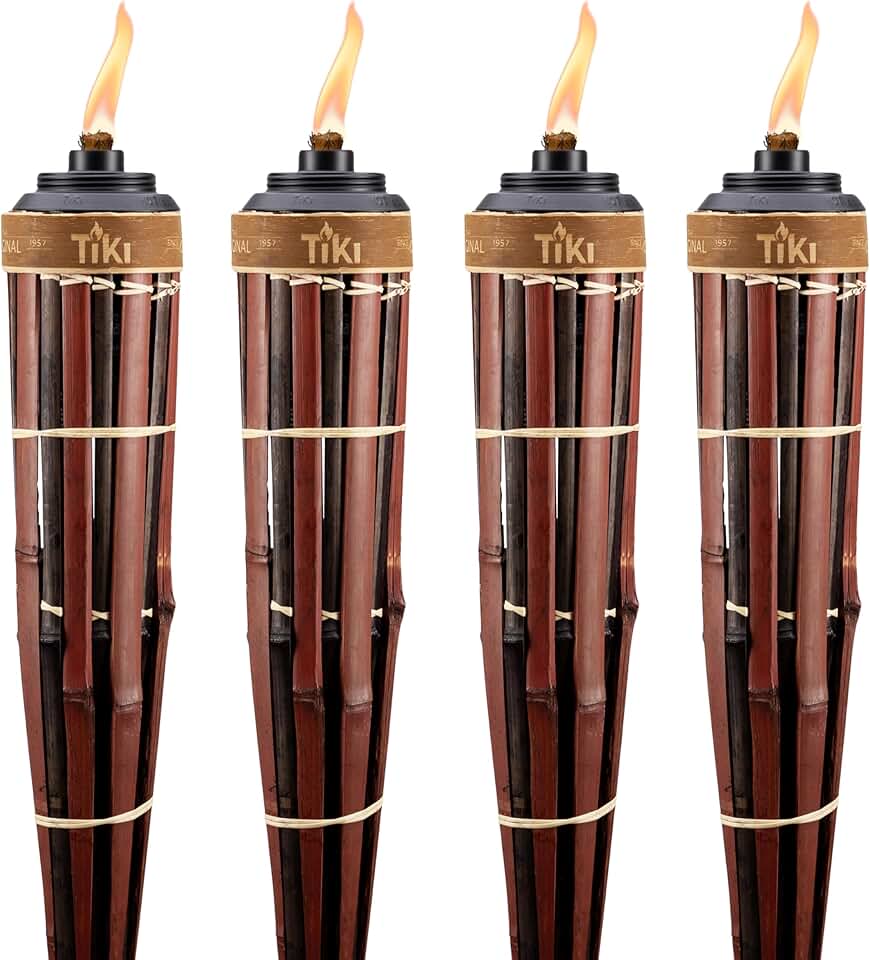
Set of four 60-inch bamboo torches · Includes easy pour canisters and long-lasting fiberglass wicks · Comes with snuffers for flame control
This four-pack of bamboo torches provides a natural and classic ambiance, suitable for various outdoor settings and offering a complete lighting solution with essential accessories.

Pack of four 65-inch metal torches · Bronze finish for decorative appeal · Weather-resistant construction with long-lasting wick and snuffer
The TIKI Easy Install Simply Metal Torches offer a durable and decorative lighting option, designed for straightforward setup and longevity in outdoor environments.

65-inch metal outdoor torch · Brown finish for a classic look · Weather-resistant with a long-lasting wick, snuffer, and easy refill design
The TIKI Island King Metal Outdoor Torch provides a robust and aesthetically pleasing traditional flame lighting solution, emphasizing durability and user convenience for patios and gardens.
As an Amazon Associate I earn from qualifying purchases. Prices may vary.
The rise of solar LEDs
Solar LED torches harness the power of the sun to create a flame-free glow. They consist of a solar panel, a rechargeable battery, and one or more LEDs. During the day, the solar panel converts sunlight into electricity, which is stored in the battery. At night, the battery powers the LEDs, providing illumination. The technology has come a long way in a short time.
Early solar torches were often criticized for their dim light output. However, advancements in LED technology and battery capacity have dramatically improved brightness. Many modern models now produce a light output comparable to a traditional torch, and some even offer adjustable brightness levels. You’ll find LEDs in a range of color temperatures, from warm white – designed to mimic the look of fire – to cool white and even color-changing options.
The advantages of solar LED torches are numerous. They are inherently safer than flame torches, eliminating the risk of fire. They require no fuel, reducing ongoing costs and environmental impact. They are typically weather-resistant, capable of withstanding rain, wind, and even snow. And they require minimal maintenance – simply place them in a sunny location and let the sun do the rest.
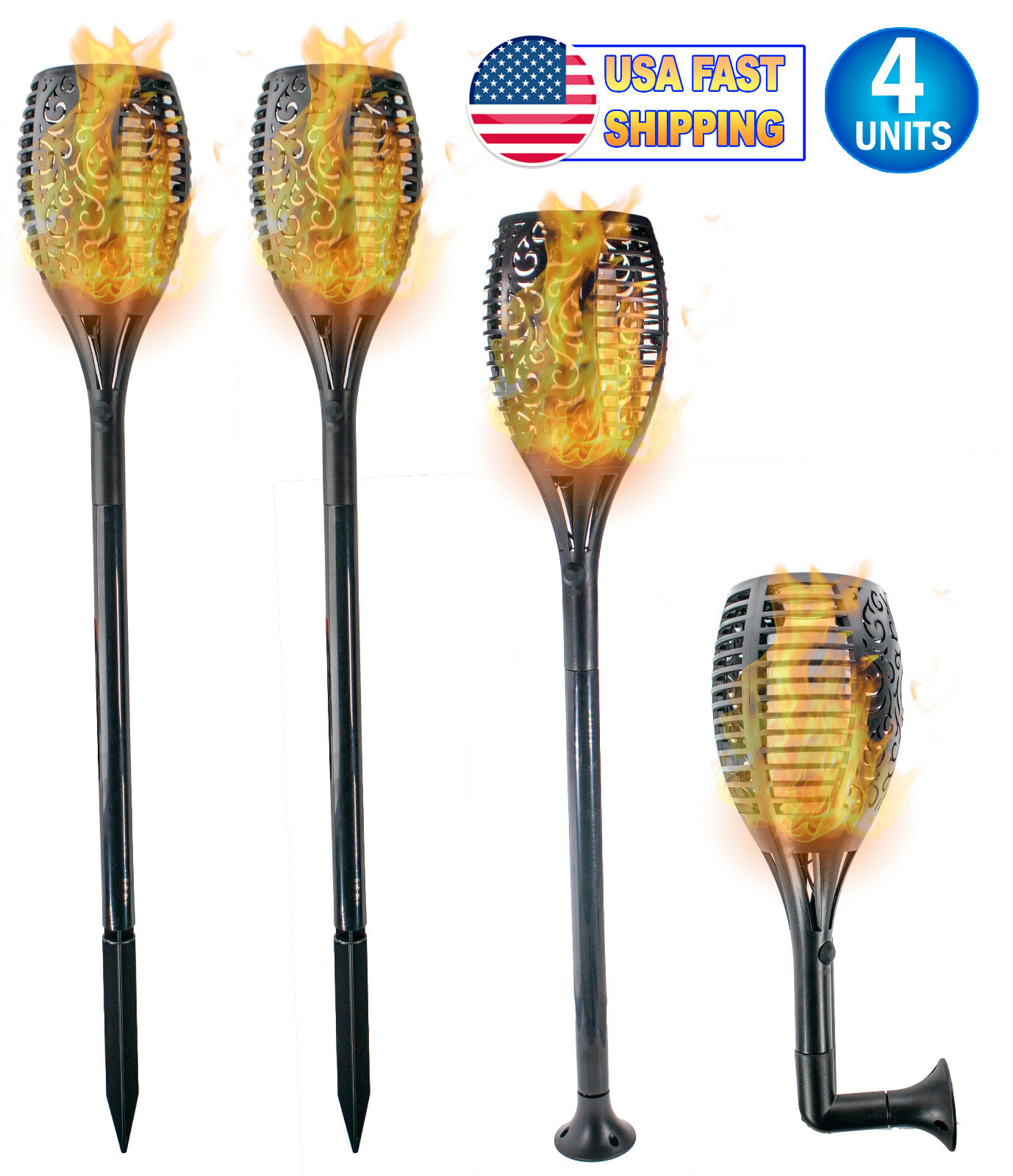
Designs have also become increasingly sophisticated. Some LED torches are specifically designed to mimic the look of traditional tiki torches, complete with a flickering flame effect. Others adopt a more modern, minimalist aesthetic. Wayfair’s selection demonstrates this range, showcasing everything from bamboo-style LEDs to sleek, stainless steel designs. Pricing generally ranges from $30 to $150, depending on features and build quality. The battery life varies, with some models offering up to 10 hours of illumination on a full charge.
- Solar Panel: Converts sunlight into electricity.
- Rechargeable Battery: Stores the energy for nighttime use.
- LEDs: Provide the illumination; available in various colors and brightness levels.
LED Color Temperature Comparison for Outdoor Ambiance
| Color Temperature | Ambiance | Best For | Potential Drawbacks |
|---|---|---|---|
| Warm White (2700K-3000K) | Cozy, inviting, and relaxing. Mimics the glow of traditional flame. | Romantic patios, intimate gatherings, creating a relaxed atmosphere around seating areas. | May not provide sufficient illumination for larger spaces or pathways. Can appear dim in brightly lit environments. |
| Cool White (4000K-5000K) | Bright, clean, and modern. Offers higher visibility. | Pathway lighting, security lighting, areas where task lighting is needed (e.g., near outdoor kitchens). | Can feel stark or clinical if used improperly. Less conducive to relaxation than warmer tones. |
| RGB (Red, Green, Blue) | Highly versatile, allowing for a wide range of color options and dynamic effects. | Lively parties, holiday decorations, creating a festive atmosphere, accent lighting. | Color accuracy can vary between brands. May appear artificial if not used subtly. Requires more complex control systems. |
| Soft White (3000K-3500K) | A balanced option, offering warmth with improved brightness. | General outdoor lighting, dining areas, spaces needing a blend of ambiance and visibility. | May lack the dramatic effect of warmer or cooler tones. Can be less energy efficient than some single-color LEDs. |
| Amber | Creates a bug-repelling glow, warm and inviting. | Patios, decks, areas prone to insects. | Limited color options, may not be suitable for all aesthetic preferences. |
| Daylight (5000K-6500K) | Simulates natural daylight, providing maximum brightness and clarity. | Areas requiring high visibility, such as driveways or workshops. | Can be overly harsh for relaxing environments. May disrupt natural circadian rhythms if used late at night. |
Illustrative comparison based on the article research brief. Verify current pricing, limits, and product details in the official docs before relying on it.
Smart Features: Beyond On/Off
The integration of smart technology is taking LED torches to the next level. Many newer models offer app control, allowing you to turn the torches on/off, adjust brightness, and even change colors remotely. Scheduling features let you automate the lighting, turning the torches on at dusk and off at dawn. This adds a layer of convenience and security.
Color customization is another popular feature, allowing you to create a specific mood or ambiance. Some torches offer a wide range of colors, while others allow you to create custom color palettes. Integration with smart home ecosystems like Alexa and Google Assistant is becoming increasingly common, allowing you to control the torches with voice commands.
Most of these torches rely on proprietary apps rather than open-source controls. They usually connect via Bluetooth or Wi-Fi. Some newer models also include motion sensors, which turn the light into a basic security feature if someone walks by.
The user experience is generally positive, but app stability and connectivity can be issues. Reviews often mention occasional difficulties connecting to the torches or controlling them reliably. These are issues that manufacturers are actively working to address. The potential for integration with broader smart home security systems is an exciting development, but still in its early stages.
- App control (on/off, brightness, color)
- Scheduling
- Voice control (Alexa, Google Assistant)
- Motion sensing
The real cost over five years
The initial cost of a traditional flame torch is typically lower than that of a solar LED torch. As mentioned previously, a basic bamboo torch can be found for under $20, while a comparable LED torch will likely cost $30 or more. However, this is just the beginning of the story. The long-term costs are where the real differences emerge.
Traditional torches require a continuous supply of fuel. A gallon of citronella oil costs between $15 and $30, and a single torch can consume several gallons throughout the summer. Wicks and glass chimneys also need to be replaced periodically. These ongoing costs can quickly add up. Consider the time and effort involved in refilling and maintaining the torches as well.
Solar LED torches, on the other hand, have minimal ongoing costs. The sun provides the fuel, and the batteries typically last for several years. Eventually, the battery will need to be replaced, but this is a relatively infrequent expense. Battery replacement costs vary depending on the type of battery, but typically range from $10 to $30. The cost of a replacement LED is minimal.
To illustrate, let’s consider a simple scenario: you use four torches for an average of 20 nights per summer. Fuel costs $20 per month for four months, totaling $80. Replacing a wick and chimney costs $10 per year. Over five years, the total cost for traditional torches is $490. A comparable LED setup might cost $150 upfront, plus $50 for battery replacements over five years, for a total of $200. While the initial investment is higher for LEDs, the long-term savings are significant.
Durability & Weather Resistance
Durability and weather resistance are key considerations for any outdoor lighting solution. Traditional torches, particularly those made from bamboo, are relatively vulnerable to the elements. Bamboo can rot or crack over time, and the metal components can rust. They are also susceptible to being blown out by strong winds.
LED torches generally offer superior durability. Many models are constructed from weather-resistant materials like stainless steel, aluminum, or durable plastics. Sealed LED units are particularly robust, protecting the internal components from moisture and dust. Reviews on Wayfair and Amazon consistently praise the weather resistance of higher-end LED torches.
Battery life can be affected by extreme temperatures. Cold weather can reduce battery capacity, while excessive heat can shorten battery life. However, most reputable manufacturers design their torches to withstand a wide range of temperatures. The quality of the solar panel is also important – a durable panel will be less susceptible to damage from hail or other impacts.
Corrosion is less of a concern with LED torches, as most of the components are either made from corrosion-resistant materials or are sealed within a protective housing. However, it’s still important to clean the torches regularly to remove dirt and debris, which can accelerate corrosion over time.
Standout Torches: 2026 Picks
Based on current trends and performance, here are a few standout torches for 2026, balancing features, value, and durability. Keep in mind that availability and pricing can change.
NuLOOM Larken Bamboo Torch (Traditional): Available on Amazon for around $25, this is a classic bamboo torch that delivers the authentic tiki look. It’s a budget-friendly option, but remember the ongoing fuel costs and maintenance. It’s best for occasional use in sheltered areas.
MEIKEE Solar Torch Lights (LED): These are consistently rated highly on Amazon (around $40 for a pack of six). They offer a flickering flame effect, good brightness, and decent battery life. They are a solid all-around choice for everyday use. The plastic construction isn’t the most premium, but it’s adequate for most climates.
Tomshine Solar Torch (LED with Smart Features): Priced around $60, this torch offers app control, color customization, and integration with Alexa and Google Assistant. It’s a more expensive option, but the added features provide a significant level of convenience and control. The stainless steel construction adds to its durability. It’s a good choice for tech-savvy users who want a sophisticated lighting solution.
- NuLOOM Larken Bamboo Torch: A $25 classic for those who want real fire in sheltered spots.
- MEIKEE Solar Torch Lights: $40 (Amazon, pack of six)
- Tomshine Solar Torch: $60 (Amazon)
Featured Products

96 LED bulbs for a flickering flame effect · 43-inch height for prominent display · Waterproof construction for outdoor durability
This product offers a substantial and visually impactful solar LED torch with a realistic flame simulation, ideal for creating ambiance.
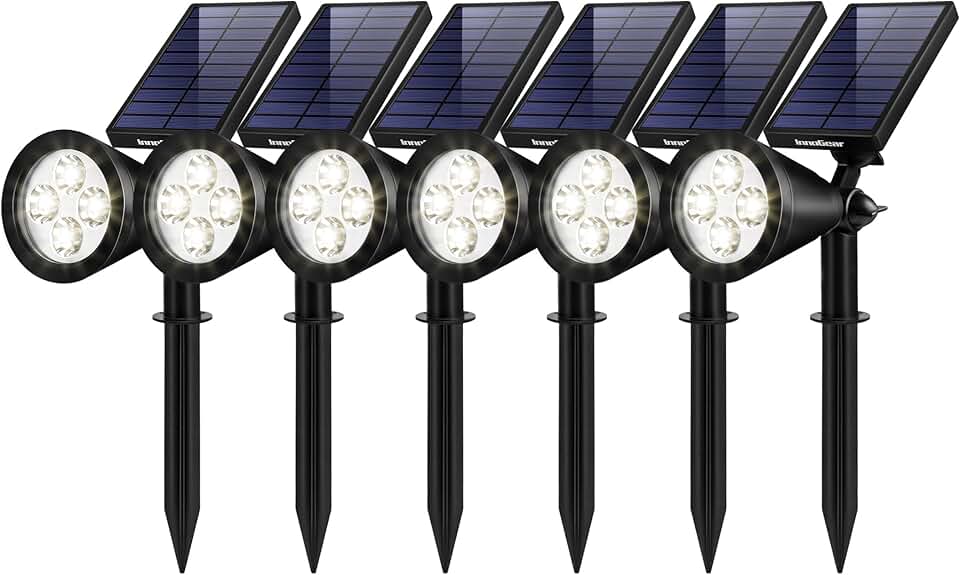
White LED spotlight for landscape illumination · Adjustable lighting head for directional focus · Waterproof design for all-weather use
This option provides functional solar-powered spotlighting for landscape enhancement, prioritizing utility over decorative flame effects.

Flickering flame effect with LED bulbs · Waterproof design suitable for outdoor use · Automatic on/off functionality
A budget-friendly choice that replicates the visual appeal of a flame effect using solar LED technology, suitable for decorative purposes.

96 LED bulbs simulating a realistic fire effect · Waterproof construction for outdoor resilience · Solar-powered for autonomous operation
This pack delivers a high LED count for a convincing flame effect, emphasizing a realistic and visually impressive solar-powered lighting solution.

Flickering flame effect with LED technology · Waterproof for outdoor environments · Dusk-to-dawn automatic operation
This two-pack offers a cost-effective way to introduce a flickering flame ambiance to outdoor spaces with the convenience of solar power.
As an Amazon Associate I earn from qualifying purchases. Prices may vary.
No comments yet. Be the first to share your thoughts!