
New rules for backyard lighting
Outdoor entertaining is undergoing a quiet revolution. It's no longer about simply throwing a few burgers on the grill; people are investing in creating true outdoor rooms – spaces designed for relaxation, connection, and, increasingly, for sharing on social media. We're seeing a shift away from the purely functional and toward curated aesthetics, driven heavily by platforms like Instagram, TikTok, and Pinterest.
The desire for 'intentional' outdoor spaces is a major factor. People want their backyards to reflect their personal style and create a specific mood. This means a move beyond basic tiki torches and toward thoughtfully arranged lighting schemes that complement the overall design. It’s about ambiance, creating a feeling, and making those Instagram posts truly pop.
However, this focus on aesthetics needs to be balanced with responsibility. Many municipalities are updating their outdoor lighting codes to address issues like light pollution and neighborly disruption. For example, the City of Tucson and Pima County have a comprehensive outdoor lighting code (Ordinance 2024 Exhibit? 2024) outlining specific requirements for fixture types, brightness, and shielding. It’s vital to be aware of local regulations before investing in any outdoor lighting setup.
Ignoring these codes can lead to fines or even required modifications to your lighting. The Tucson code, like many others, aims to minimize glare and ensure that outdoor lighting doesn’t negatively impact the surrounding environment or the enjoyment of neighboring properties. Checking your local ordinances is the first step in creating a beautiful and compliant outdoor space.
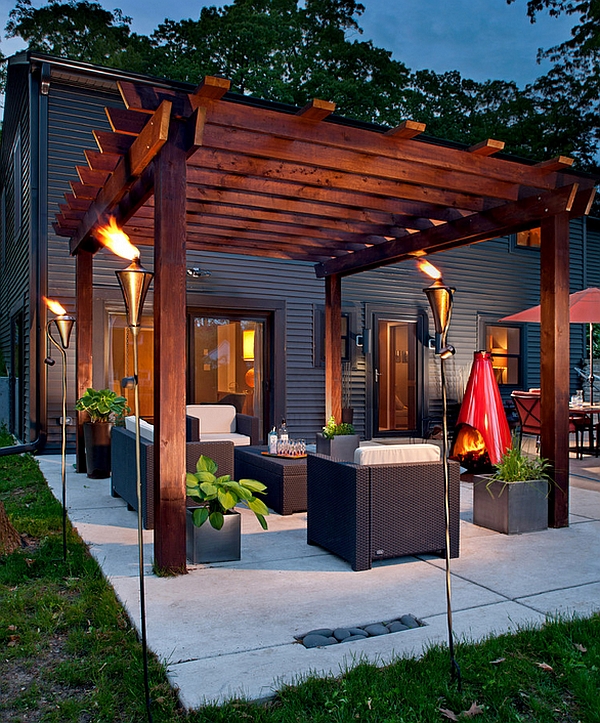
The coastal grandmother look
The 'Coastal Grandmother' aesthetic – popularized online as a relaxed, comfortable, and effortlessly chic style – is having a significant impact on outdoor torch arrangements. Think Diane Keaton in a Nancy Meyers film: soft textures, neutral colors, and a general sense of cozy sophistication. This translates to outdoor lighting that is diffused, warm, and inviting.
For this trend, forget the tall, dramatic flames. Instead, opt for shorter, wider torches that cast a gentle, flickering glow. Materials like wicker, bamboo, and weathered wood complement the aesthetic perfectly. These aren’t meant to be statement pieces; they're meant to blend seamlessly into the overall design and create a relaxed atmosphere.
Stick to creams, whites, and sandy beiges. Torches with natural finishes or linen-shaded lanterns work best here because they soften the light. You can find these at most hardware stores or home decor shops right now.
I’m slightly skeptical about how long this particular trend will last, as online aesthetics can be fleeting. But for 2026, the 'Coastal Grandmother' glow-up is definitely a major force in outdoor design. It’s a move towards understated elegance and creating a space that feels like a sanctuary.
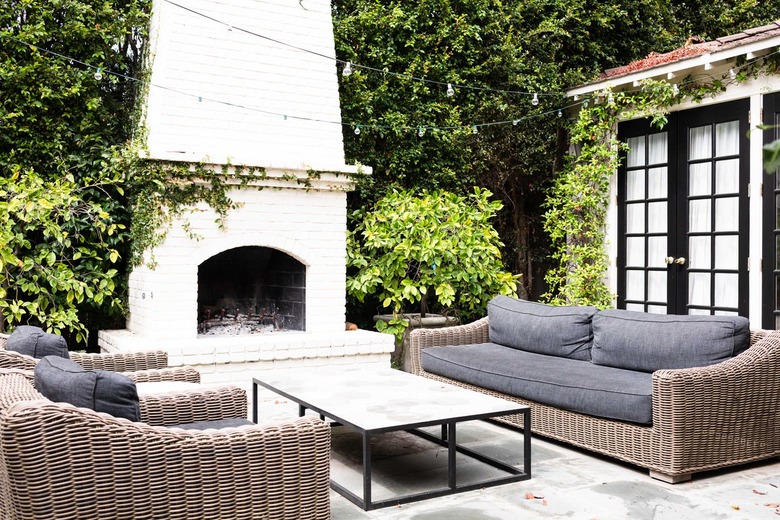
Sculptural torches for minimalists
In contrast to the cozy warmth of 'Coastal Grandmother,' a more modern, minimalist aesthetic is also gaining traction. This approach emphasizes clean lines, geometric shapes, and a focus on form as much as function. Sculptural torch designs are at the heart of this trend.
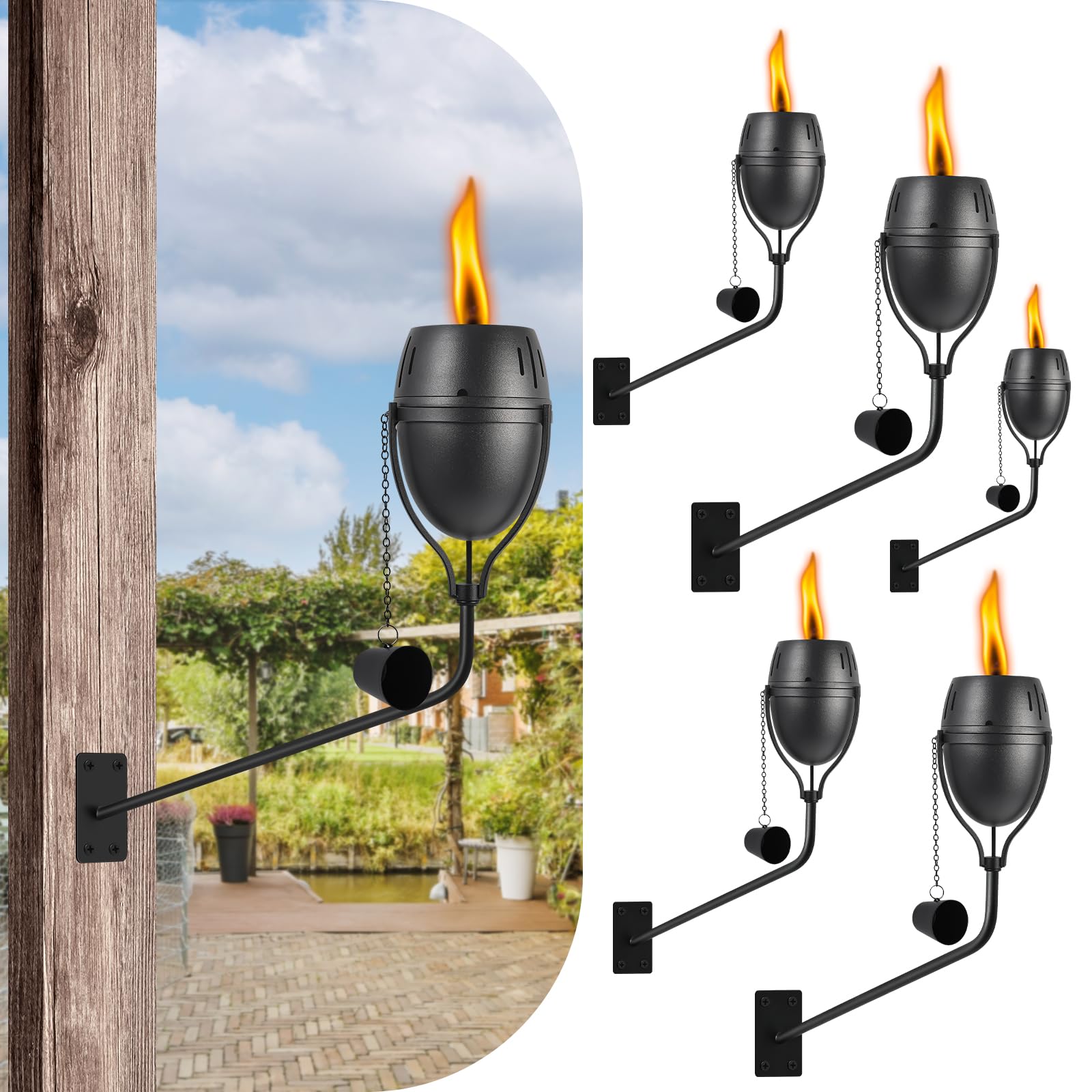
Think sleek metal torches with abstract shapes, or concrete fire bowls with a minimalist aesthetic. These aren’t just light sources; they’re design objects in their own right. They’re meant to make a statement and add a touch of sophistication to the outdoor space.
Often, a single, well-placed sculptural torch is more effective than multiple smaller ones. This creates a focal point and avoids clutter. This approach works particularly well in smaller spaces where you don’t want to overwhelm the area with too much lighting. A single, striking torch can be enough to create a dramatic effect.
These designs often command a higher price point, reflecting the materials and craftsmanship involved. But their impact can be significant, transforming a simple patio into a stylish outdoor lounge. Consider the surrounding architecture and choose a torch design that complements the overall aesthetic of your home.
- Sleek metal torches with geometric frames
- Concrete Fire Bowls: Offer a minimalist aesthetic and substantial presence.
- Abstract Designs: Serve as focal points and conversation starters.
Sculptural Torch Brands
- Terrain - Known for their rustic, nature-inspired designs, Terrain offers unique torch options often incorporating weathered metal and natural stone elements. Their style leans towards organic modern. Price Range: Mid-range to Luxury
- CB2 - CB2 frequently features sleek, contemporary torch designs in materials like brushed metal and concrete. Expect minimalist forms and a focus on modern aesthetics. Price Range: Entry-level to Mid-range
- Crate & Barrel - Crate & Barrel provides a range of styles, from classic to contemporary, including some sculptural metal torches. They often have options suitable for both casual and more formal outdoor settings. Price Range: Mid-range
- Wayfair (various brands) - Wayfair aggregates offerings from many brands, including several with sculptural torch designs. You can find everything from abstract metal art pieces that double as torches to more traditional, yet artfully shaped options. Price Range: Entry-level to Luxury
- Pottery Barn - Pottery Barn offers a blend of classic and coastal styles, with some sculptural torches featuring detailed metalwork and a refined aesthetic. Price Range: Mid-range to Luxury
- West Elm - West Elm's outdoor collection includes modern and sculptural torches, often featuring geometric designs and a focus on clean lines. They frequently use materials like steel and powder-coated finishes. Price Range: Mid-range
- McKenzie & Company - Specializing in outdoor living, McKenzie & Company offers a selection of unique and often large-scale torch designs, including those with artistic metal cutouts and interesting silhouettes. Price Range: Mid-range to Luxury
Fire Bowls & Statement Pieces
Moving beyond traditional torches, fire bowls and outdoor fireplaces are becoming increasingly popular as focal points in outdoor spaces. These larger features offer a more substantial and dramatic effect, creating a cozy gathering spot for friends and family. They’re a significant investment, but the impact can be transformative.
Fire bowls come in a variety of materials – concrete, steel, copper – and can be fueled by wood, propane, or gel. Wood-burning fire bowls offer a classic, rustic aesthetic, while propane and gel options provide convenience and ease of use. Each fuel source has its own pros and cons in terms of cost, maintenance, and environmental impact.
Safety is paramount when using fire bowls or fireplaces. Always ensure adequate clearance from flammable materials, and consider wind protection. Local regulations, like those in Tucson, may specify requirements for fire pit placement and size. Understanding these rules is crucial for avoiding potential issues.
The Tucson/Pima County Outdoor Lighting Code, while primarily focused on directed light, does address open flames. It’s worth checking specific restrictions regarding fire pit size, location, and whether permits are required. Generally, maintaining a safe distance from structures and vegetation is essential, regardless of local codes.
Selecting the right size fire bowl for your space is also important. A large bowl can overwhelm a small patio, while a small bowl may get lost in a larger backyard. Consider the overall scale of your outdoor area and choose a fire feature that complements it.
Layering your light sources
Torches are most effective when they're not the only source of light in your outdoor space. Layered lighting – combining ambient, task, and accent lighting – creates a more dynamic and inviting atmosphere. Think beyond just the flicker of a flame.
Ambient lighting provides overall illumination, creating a comfortable base level of light. String lights, pathway lights, and strategically placed spotlights can all contribute to this. Task lighting focuses on specific areas, such as a dining table or grilling station. Accent lighting highlights architectural features or landscaping elements.
Pairing torches with other light sources allows you to create different moods and customize your outdoor space for various occasions. Dimmers are a fantastic tool for adjusting the brightness of your lighting and creating the perfect ambiance. A warm, low light setting is ideal for relaxing evenings, while a brighter setting is better for entertaining.
Consider using smart lighting systems that allow you to control your outdoor lights remotely. This adds convenience and flexibility, allowing you to adjust the lighting from your phone or tablet. The key is to create a cohesive and well-balanced lighting scheme that complements your overall outdoor design.
Trending Fuel Choices: Biofuel & Beyond
Traditional citronella oil is still a popular choice for repelling insects, but alternative fuel options are gaining traction. Biofuel, derived from renewable sources, is being touted as a more environmentally friendly alternative. However, its availability and cost can vary.
Propane torches offer convenience and a consistent flame, but they do require a propane tank and can be less aesthetically pleasing than other options. Gel fuels are another alternative, offering a smokeless and odorless flame, but they can be more expensive than traditional fuels.
The environmental impact of each fuel source is an important consideration. Citronella oil is derived from plants, but its production can still have environmental consequences. Propane is a fossil fuel, while biofuel is generally considered more sustainable. The best choice depends on your priorities and values.
I'm not sold on biofuel yet. It's expensive and hard to find in most local shops. It might be the sustainable choice, but for most of us, it's still a niche option that isn't quite practical for a weekend barbecue.
- Citronella oil for keeping the bugs away
- Propane: Convenient, consistent flame, requires a tank.
- Gel Fuel: Smokeless, odorless, more expensive.
- Biofuel: Renewable source, potentially more sustainable.
Torch Fuel Comparison for Outdoor Ambiance
| Fuel Type | Burn Time | Scent Profile | Environmental Considerations | Safety Notes |
|---|---|---|---|---|
| Citronella | Moderate (typically 4-6 hours per fill) | Distinct, citrusy; intended to repel insects | Generally considered lower impact, as citronella oil is plant-derived. However, complete combustion is ideal to minimize soot. | Keep away from flammable materials. Oil is combustible. Ensure proper ventilation. |
| Biofuel (Plant-Based) | Variable (3-8 hours depending on formulation and torch size) | Often odorless or lightly scented; some biofuels incorporate essential oils | Renewable source, potentially lower carbon footprint than petroleum-based fuels. Look for sustainably sourced options. | Biofuel can still be flammable; follow manufacturer’s instructions for safe handling and use. Avoid spills. |
| Propane | Long (typically 10-20 hours per tank, depending on torch output) | Generally odorless (often has added scent for aesthetic purposes) | Fossil fuel source; contributes to greenhouse gas emissions. Tank disposal requires proper handling. | Propane tanks require careful storage and handling. Ensure connections are secure to prevent leaks. Use outdoors only. |
| Paraffin Wax | Moderate (around 6-8 hours) | Typically odorless, but can be scented | Derived from petroleum; non-renewable resource. Produces soot during combustion. | Keep away from flammable materials. Wax is combustible. Ensure proper ventilation. |
| Lamp Oil (Mineral Oil) | Moderate (4-6 hours) | Odorless | Derived from petroleum. Potential for soot production. | Flammable; keep away from open flames and heat sources. Use in well-ventilated areas. |
Illustrative comparison based on the article research brief. Verify current pricing, limits, and product details in the official docs before relying on it.
DIY Torch Arrangements: A Quick Guide
Creating unique torch arrangements doesn't have to break the bank. There are plenty of simple DIY projects you can tackle to add a personal touch to your outdoor space. Repurposing old containers – mason jars, tin cans, even wine bottles – is a great place to start.
You can create mosaic designs on the outside of glass containers using broken tiles or pebbles. Building custom torch stands from reclaimed wood or bamboo is another option. Just be sure to use fire-resistant materials and follow safety precautions.
Always use a stable base for your torches and keep them away from flammable materials. Never leave a burning torch unattended. And be mindful of wind conditions, as strong gusts can easily knock over a torch and spread fire.
A simple project is to fill clear glass containers with colored sand or pebbles and then insert a torch wick. This adds a decorative element and creates a unique visual effect. Remember to prioritize safety and use common sense when working with fire.
No comments yet. Be the first to share your thoughts!