
Beyond the tiki torch
Standard tiki torches are a backyard staple, but the soot and petroleum smell don't exactly scream 'nature lover.' If you want that flickering flame without the heavy carbon cost, you have to look past the cheap bamboo sticks at the hardware store.
We're seeing a real shift in consumer demand. It's no longer enough for products to simply work; they need to align with our values. This means a growing interest in sustainable materials, responsible sourcing, and minimizing waste. Garden torch lighting is no exception. The good news is that 'eco-friendly' doesn’t automatically mean sacrificing the warm, inviting glow we all love.
Switching to cleaner fuels and better materials is the easiest way to fix this. Some brands are already moving away from kerosene toward plant-based oils and recycled metals that last longer than a single season.
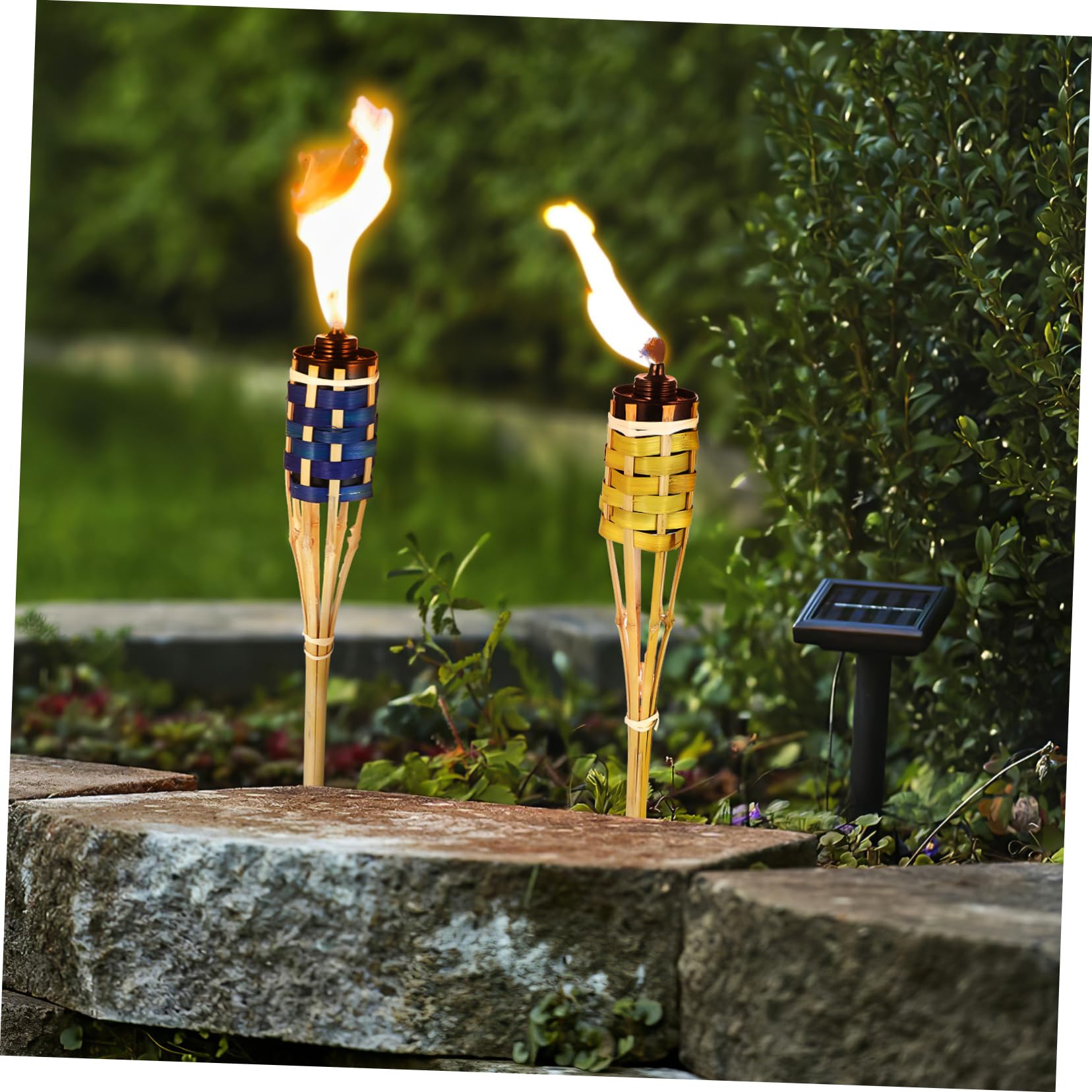
The carbon cost of fuel
The fuel you use in your garden torch is arguably the biggest contributor to its environmental impact. Traditional citronella oil, while effective at repelling insects, is often derived from the citronella plant using solvents that aren’t particularly eco-friendly. Kerosene and paraffin wax, both petroleum-based products, release significant carbon emissions when burned, contributing to greenhouse gas buildup. Furthermore, the sourcing of these fuels can be problematic, often relying on fossil fuel extraction.
Thankfully, several alternatives are emerging. Plant-based oils, like soy oil and rapeseed oil, offer a more sustainable option, as the plants absorb carbon dioxide during growth. However, it’s important to remember that even these "bio" fuels have a carbon footprint associated with their production, processing, and transportation. Recycled oils are another interesting development—repurposing waste products into a usable fuel source. Ethanol, particularly when produced from sustainable sources, is also gaining traction.
I’m not sure any fuel is truly "carbon neutral" at this point. The lifecycle analysis of each option is complex. Even renewable diesel, which is being explored as a potential fuel source, requires careful consideration of its feedstock and production process. What feels promising now could have unforeseen consequences down the line. The key is transparency from fuel suppliers about their sourcing and production methods.
- Citronella oil is great for bugs, but the way it's extracted often involves harsh solvents.
- Kerosene and paraffin are just fossil fuels in a bottle; they're the highest-emission choice you can make.
- Soy/Rapeseed Oil: Plant-based, but production and transport still have a footprint.
- Recycled Oil: Repurposes waste, but availability and quality can vary.
- Ethanol: Sustainable if sourced responsibly.
Metal vs. bamboo
Once you've considered the fuel, it's time to think about the torch itself. Metal torches, particularly those made from stainless steel or aluminum, are known for their durability and weather resistance. However, the production of these metals is energy-intensive, requiring significant mining and manufacturing processes. Aluminum, in particular, requires a lot of electricity to produce.
Bamboo presents a compelling alternative. As a fast-growing, renewable resource, it has a much lower environmental impact than metal. The downside? Bamboo isn’t as durable as metal and may require more frequent replacement. Recycled plastic is another option, diverting waste from landfills, but the quality and longevity can be variable, and it’s crucial to ensure it's a type of plastic that is readily recyclable at the end of its life.
I’ve been wondering about the full lifecycle assessment of these materials. How long does a bamboo torch realistically last compared to a stainless steel one? And how easy is it to recycle each material when it finally reaches the end of its useful life? It's a complex question, and transparency from manufacturers is vital.
- Stainless Steel/Aluminum: Durable but energy-intensive to produce.
- Bamboo: Renewable, but less durable.
- Recycled Plastic: Diverts waste, but quality and recyclability vary.
Material Comparison: Sustainability & Performance of Garden Torches
| Material | Durability | Sustainability | Cost | Aesthetic Versatility |
|---|---|---|---|---|
| Steel | High | Medium | Medium | High |
| Aluminum | High | Medium | High | High |
| Bamboo | Medium | High | Low to Medium | Medium |
| Recycled Plastic | Medium | High | Medium | Medium |
| Stainless Steel | High | Medium | High | High |
| Copper | Very High | Medium | Very High | High |
Illustrative comparison based on the article research brief. Verify current pricing, limits, and product details in the official docs before relying on it.
Brands making better torches
A few companies are actually trying to solve the waste problem. These six brands focus on materials that won't end up in a landfill by next July.
Cinder Witch Torches is a standout. They focus on using recycled materials in their torch bodies and offer a range of plant-based fuels. Their commitment to transparency regarding sourcing is commendable. You can find their products and more information at
Namaste offers torches made from sustainably harvested bamboo and uses organic citronella oil. They’re a smaller company, which allows for greater control over their supply chain. (namastelighting.com). Modern Outdoor specializes in sleek, minimalist designs crafted from recycled aluminum. They also partner with carbon offset programs to mitigate their environmental impact. (modernoutdoor.com)
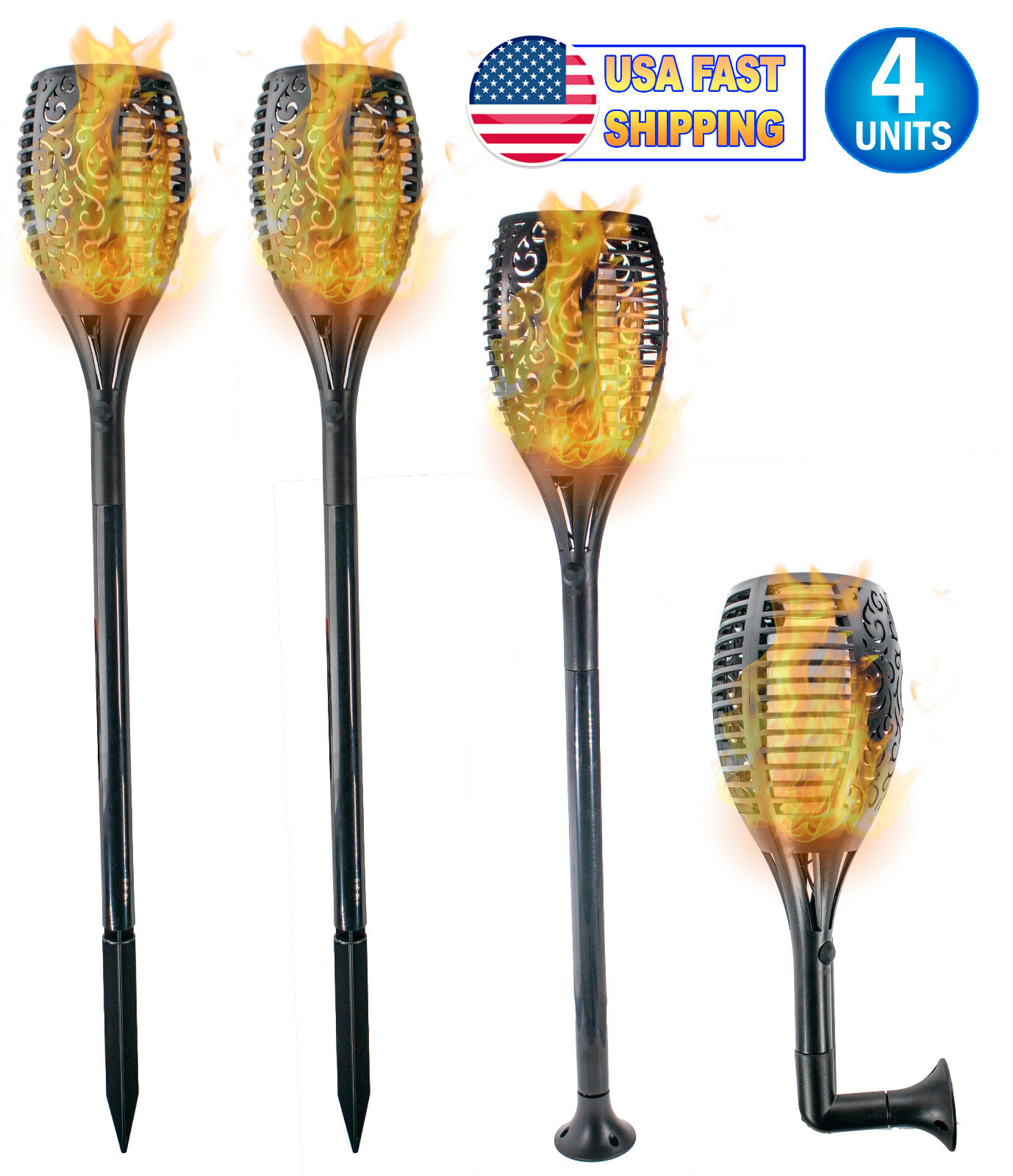
Bamboozle Home is dedicated to bamboo products, including a line of garden torches. While durability is a consideration, their commitment to a renewable resource is noteworthy. (bamboozlehome.com) SunJell focuses on solar-powered torch alternatives, eliminating the need for fuel altogether. While not a traditional flame, they provide a similar ambiance with zero emissions. (sunjell.com)
Finally, Artisan Flames (artisanflames.com) is a smaller, artisan brand that handcrafts torches from reclaimed wood and offers a refill service for their plant-based fuels. Their focus on local sourcing and reducing waste is admirable. Prices vary significantly across these brands, ranging from around $40 for a single Bamboozle Home torch to $175 for a three-pack from Solo Stove, depending on materials and features.
Refills and DIY builds
One of the simplest ways to reduce your environmental impact is to get creative with DIY projects. Repurposing glass bottles into torches is a popular option – just add a wick and your chosen fuel. Be sure to use heat-resistant glass and exercise caution when handling open flames. There are numerous tutorials available online demonstrating this process.
Refilling existing torches with sustainable fuels is another excellent way to minimize waste. Buying fuel in bulk can significantly reduce packaging waste, and many companies now offer refill programs. Properly disposing of used fuel containers is also crucial; check with your local recycling center for guidelines.
A simple DIY project involves creating a torch from an old wine bottle. Clean the bottle thoroughly, insert a copper wick holder (available at hardware stores), and fill with plant-based torch fuel. Secure the wick holder and you have a unique, eco-friendly torch. This reduces waste and adds a personal touch to your outdoor space.
Other ways to light the yard
Thinking beyond just torches can dramatically improve the sustainability of your outdoor lighting scheme. Solar lights are an obvious choice, harnessing the power of the sun to provide illumination without any fuel consumption. LED string lights are also energy-efficient and can create a magical ambiance. Motion-sensor lights are a great way to conserve energy by only activating when needed.
Consider participating in dark sky initiatives, which aim to reduce light pollution and protect nocturnal wildlife. This involves using shielded lights that direct illumination downwards and minimizing unnecessary brightness. Responsible lighting practices not only benefit the environment but also enhance the beauty of the night sky.
Even the most eco-friendly lighting has some impact. The production of solar panels and LEDs requires energy and resources. The goal isn’t to eliminate outdoor lighting altogether, but to use it thoughtfully and minimize its overall footprint. A well-planned scheme combines different technologies to create a beautiful and sustainable outdoor space.
Community Voices: What People Are Saying
The conversation around eco-friendly garden lighting is happening online, and people are actively sharing their experiences and ideas. On Reddit, a user in the r/gardening subreddit recently asked about the best sustainable torch fuels, sparking a discussion about soy oil versus recycled options. Several users praised the longevity and clean burn of soy-based fuels, while others expressed concerns about the sourcing of soy.
On Twitter, the hashtag #SustainableOutdoors is gaining traction, with people sharing photos of their eco-friendly lighting setups and DIY projects. A recent tweet from @GreenThumbGal highlighted the benefits of using solar-powered torches, praising their convenience and zero-emission operation. Many are also discussing the importance of supporting brands committed to transparency and responsible sourcing.
This growing community demonstrates a genuine desire for more sustainable outdoor living solutions. People are actively seeking information, sharing tips, and holding brands accountable. It’s a positive sign that the demand for eco-friendly garden torch lighting is only going to increase.
No comments yet. Be the first to share your thoughts!