
Moving past the tiki torch
There's something undeniably charming about the flicker of a garden torch. It conjures up images of breezy summer nights, luaus, and relaxed outdoor gatherings. For years, the classic tiki torch has been a staple of backyard ambiance, but increasingly, people are looking beyond the nostalgia. Consumers are starting to ask tougher questions about the environmental impact of their choices, and that includes how they light their gardens.
Traditional fuel-based torches, while effective, aren’t exactly known for their sustainability. The carbon emissions from burning fuels like kerosene or citronella oil contribute to greenhouse gases. Beyond that, many torches are made from plastic, adding to the global waste problem. It’s a bit of a disconnect – creating a beautiful, natural atmosphere with tools that aren’t particularly kind to the planet.
Newer alternatives provide that same warm glow without the heavy carbon footprint. You don't have to give up the backyard vibe to be more responsible with your fuel and material choices.
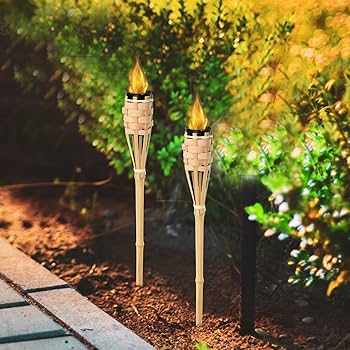
The reality of biofuels
Biofuels present themselves as a potentially cleaner alternative to traditional torch fuels. But what does "biofuel" actually mean in this context? Generally, it refers to fuels derived from renewable biological sources, like plant-based oils (soybean, canola, sunflower) or even recycled ethanol. These sources, in theory, replenish faster than the fossil fuels they aim to replace.
The big selling point of biofuels is their potential for carbon neutrality. The idea is that the plants used to create the fuel absorb carbon dioxide from the atmosphere during their growth, offsetting the carbon released when the fuel is burned. However, the reality is more complex. The carbon neutrality claim depends heavily on the entire lifecycle of the biofuel – from cultivation and processing to transportation and combustion. Factors like fertilizer use, land clearing, and transportation distances all play a role.
Greenwashing is common here. Look for the Roundtable on Sustainable Biomaterials (RSB) seal, though few brands have it yet. Lifecycle analyses are hard to pin down because a fuel's footprint changes based on how far it traveled and how the source crops were fertilized. Stick to brands that name their specific oil source.
Currently, dedicated biofuel for torches isn't as widely available as traditional fuels. You might find it sold specifically for tiki torches or outdoor lighting, but it’s often more expensive. Amazon currently lists several options for biofuel, with prices ranging from $20 to $40 per gallon as of late 2023, significantly higher than kerosene.
Solar power trade-offs
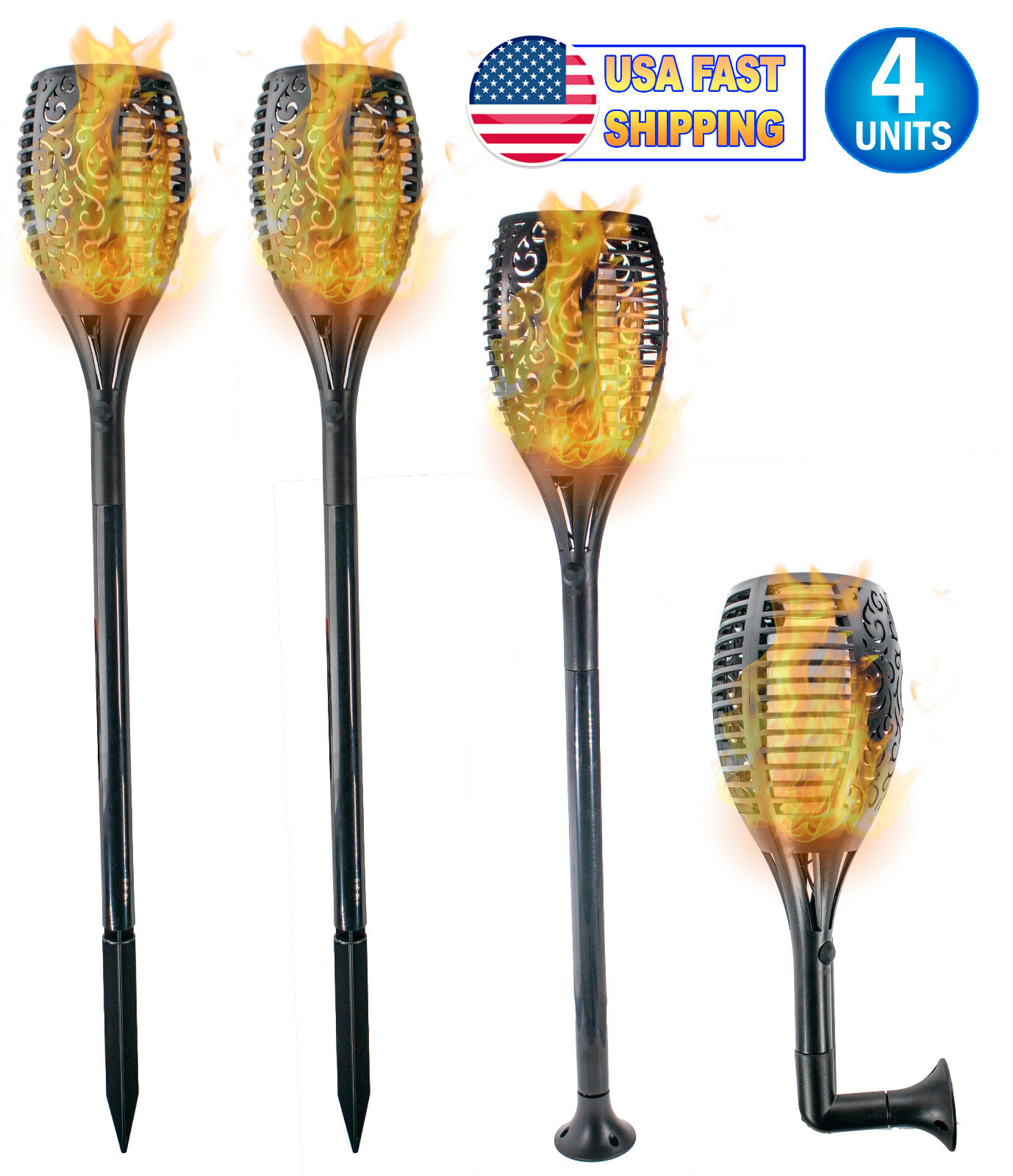
Solar torches are much better than they used to be. LEDs are brighter now, and the batteries actually hold a charge through the night. They are the easiest option since there is no fuel to pour and no smoke to deal with.
However, solar torches aren't without their limitations. The biggest drawback is their dependence on sunlight. Runtime varies significantly depending on the amount of sun exposure the torch receives. A fully charged torch might provide 6-8 hours of light, but cloudy days can drastically reduce that. Proper placement is key – choose a location that receives direct sunlight for at least 6-8 hours a day.
Styles and designs are plentiful, ranging from traditional tiki torch shapes to more contemporary designs. Wayfair currently offers over 500 different decorative torches, with solar options representing a substantial portion of the selection. Prices range from $20 for a simple stake light to over $100 for more elaborate designs.
Battery disposal is another consideration. Solar torches typically use rechargeable batteries (often Ni-MH or lithium-ion). When the batteries reach the end of their life, it’s important to recycle them properly. Many retailers, like Home Depot, offer battery recycling programs.
- Expect 6-8 hours of light if the sun was out.
- Placement: Direct sunlight for 6-8 hours daily
- Battery Type: Ni-MH or Lithium-ion (recycle properly)
- Price Range: $20 - $100+
Solar Torch Feature Comparison - 2026 Outlook
| Material | Brightness (Lumens) | Runtime (Hours) | Weather Resistance | Smart Features |
|---|---|---|---|---|
| Stainless Steel | 80-120 | 6-8 | High - Rust & Corrosion Resistant | Auto On/Off (Dusk to Dawn) |
| Durable Plastic | 50-80 | 8-10 | Moderate - UV Resistant | Limited - Some models with timers |
| Stainless Steel & Glass | 100-150 | 5-7 | High - Durable & Weatherproof | Adjustable Brightness Settings (via app - select models) |
| Bamboo/Composite | 60-100 | 6-9 | Moderate - Requires treatment for longevity | None |
| Polycarbonate | 70-110 | 7-9 | Moderate - Impact Resistant | Simple On/Off Switch |
| Stainless Steel | 120-200 | 4-6 | High - Designed for Harsh Climates | Remote Control Operation |
Illustrative comparison based on the article research brief. Verify current pricing, limits, and product details in the official docs before relying on it.
Carbon neutral fire bowls
If you're willing to invest a bit more, carbon-neutral fire bowls offer a sophisticated and sustainable option. These aren’t just about the fuel they burn; it's about the entire production process. They often utilize materials like recycled steel or sustainably sourced wood, and the manufacturers actively work to offset their carbon footprint.
The term "carbon neutral’ can mean different things, so it’s important to look for transparency. Reputable brands will detail their carbon offsetting initiatives – whether they"re investing in reforestation projects, renewable energy programs, or other carbon reduction schemes. Solo Stove, for example, partners with Climate Neutral to measure and offset their carbon emissions.
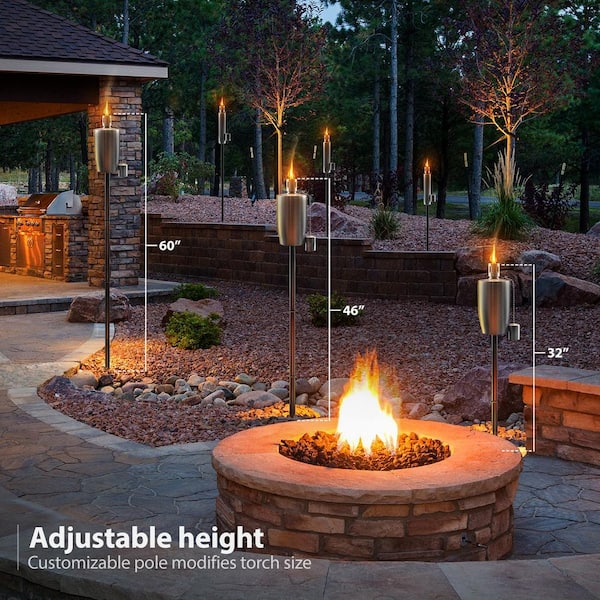
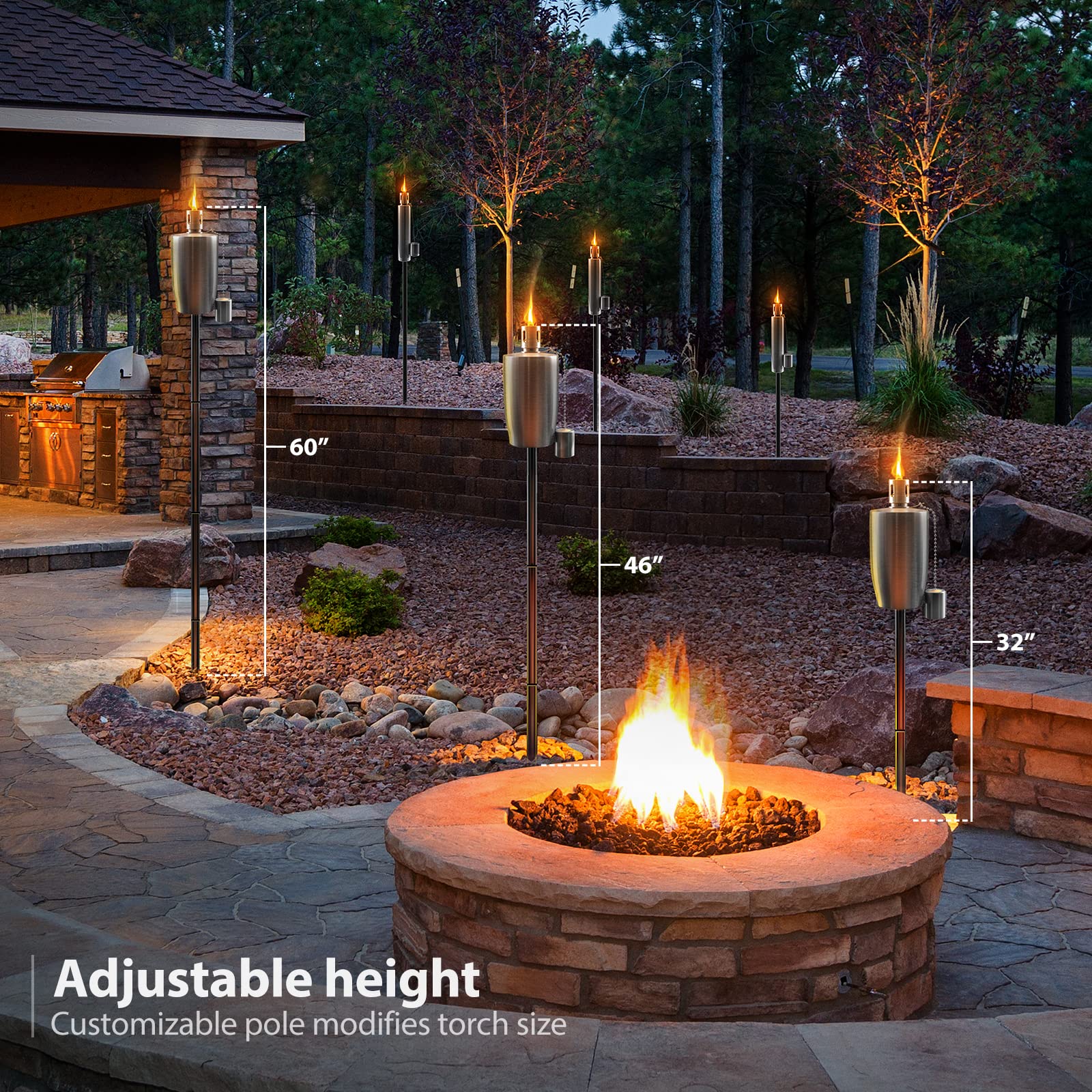
These fire bowls typically use smokeless wood fuels, which burn more efficiently and produce less particulate matter. While wood isn't inherently carbon neutral (trees absorb carbon dioxide as they grow, but burning releases it), the manufacturers often plant trees to replace those used for fuel, aiming for a net-zero impact. Solo Stove's Mesa Torch Adjustable Height Stainless Steel Outdoor Torch 3 Pack currently sells for $166.00 at Home Depot, and highlights their commitment to smokeless fire technology.
The higher price point is justified by the quality of materials, the sustainable production practices, and the overall aesthetic appeal. These are designed to be long-lasting investments, reducing the need for frequent replacements.
DIY & Upcycled Torch Ideas
For the creatively inclined, DIY torches are a fun and eco-friendly project. Repurposing materials reduces waste and allows you to create unique, personalized lighting. Old mason jars, tin cans, or even wine bottles can be transformed into charming torches with a little effort.
Safety is paramount when making DIY torches. Avoid using flammable materials near the flame. Opt for safe fuel options like vegetable oil or lamp oil – never gasoline or other highly volatile substances. Ensure the container is stable and won’t tip over easily.
Here’s a simple step-by-step guide for a mason jar oil torch:
1. Clean a mason jar thoroughly. 2. Fill it with vegetable oil, leaving about an inch of space at the top. 3. Insert a fiberglass wick (available at craft stores) through the jar’s lid. 4. Secure the wick in place. 5. Light the wick carefully. Always supervise the torch while it’s lit.
Repelling bugs without citronella
Citronella oil has long been the go-to insect repellent for outdoor torches, and it does have some effectiveness. However, it’s not the only option. Lemon eucalyptus oil is a highly effective alternative, often considered even more potent than citronella. Lavender oil also possesses insect-repelling properties and offers a pleasant fragrance.
Citronella can be overpowering for some. Lemon eucalyptus is a strong alternative, though its effectiveness depends on the wind and the specific bugs in your yard. It comes down to which scent you prefer smelling all evening.
Keeping torches in good shape
Investing in eco-friendly garden torches is only the first step. Proper maintenance is essential to ensure their longevity and continued performance. For biofuel torches, regularly clean the burner to prevent clogging. For solar torches, wipe down the solar panel with a damp cloth to remove dirt and debris. This will maximize its efficiency.
Battery maintenance is crucial for solar torches. Avoid overcharging or completely depleting the batteries, as this can shorten their lifespan. When not in use for extended periods, remove the batteries and store them in a cool, dry place. Check the manufacturer's instructions for specific battery care recommendations.
During the off-season, store your torches in a dry, protected location. This will prevent rust, corrosion, and damage from the elements. A simple checklist can help you stay on top of maintenance:
- Clean burners (biofuel torches)
- Wipe the dust off solar panels so they charge fully.
- Maintain batteries (solar torches)
- Store properly during off-season
No comments yet. Be the first to share your thoughts!