
The reality of coastal storms
I watched a minor tropical storm wreck my neighbor's yard a few years ago. Their decorative torches were scattered and shattered across the lawn by morning. Most outdoor lighting is built for calm summer nights, not the reality of coastal weather. With storms getting more intense, you can't assume 'seasonal' decor will survive a single rough week.
Traditional torches often rely on materials like thin-gauge steel, painted wood, or inexpensive plastics. These materials corrode quickly when exposed to salt air, heavy rain, and prolonged UV radiation. Even a strong gust of wind can easily topple a lightweight torch, creating a hazard and a cleanup headache. The issue isn’t simply aesthetic; a broken torch can be a fire risk, especially if fuel spills.
The demand for genuinely durable outdoor lighting is rising. People are investing more in their outdoor living spaces and expect their investments to withstand the elements. This isn’t about vanity; it’s about safety, convenience, and avoiding the constant cycle of replacement. We're seeing a shift towards torches specifically designed to endure extreme conditions, and the term 'hurricane-proof' is becoming increasingly common in product descriptions.
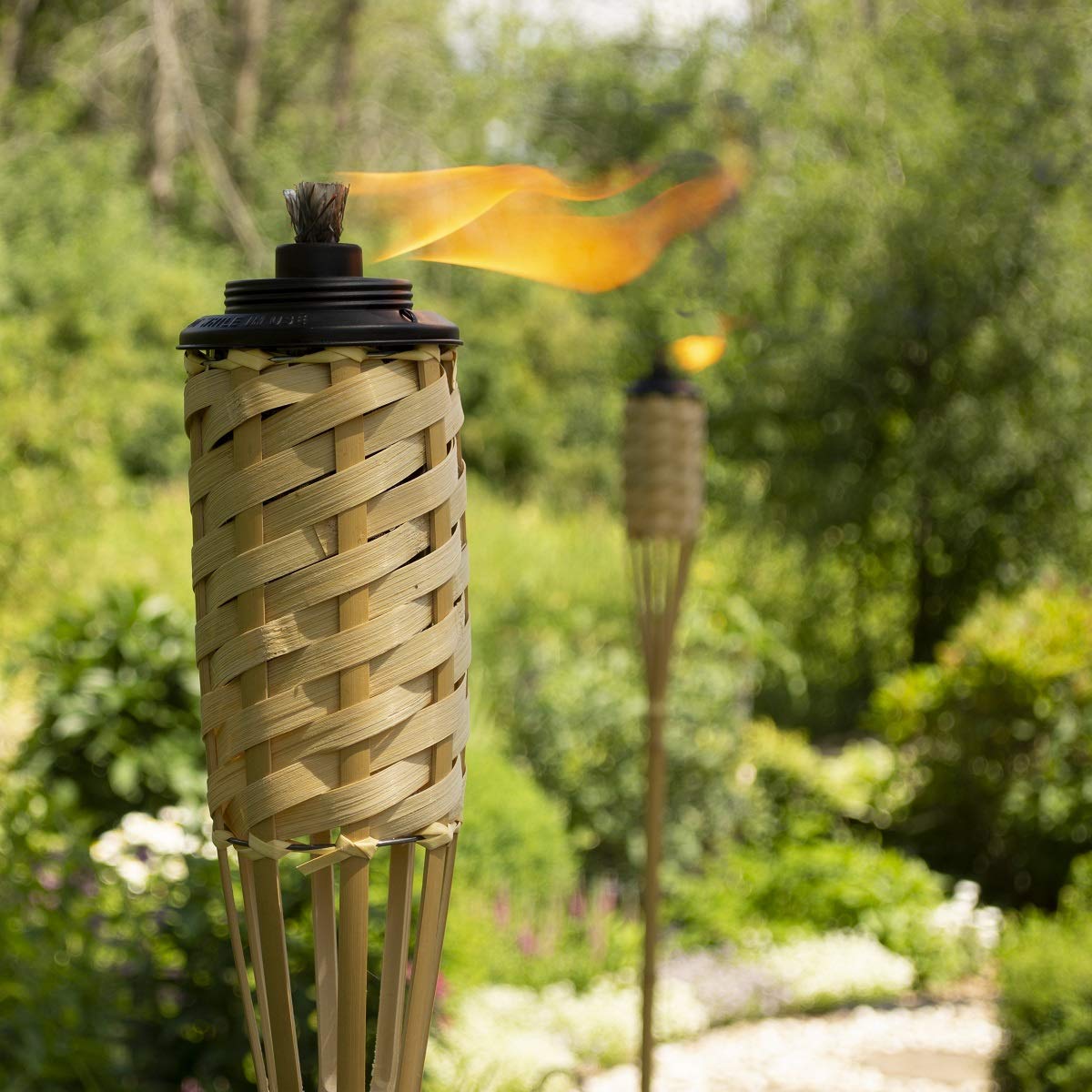
What actually makes a torch durable
No torch survives a direct hit from a Category 5 hurricane. If a storm levels your house, the torch is gone too. The goal is high weather resistance—gear that stays standing in 70 mph winds and heavy rain without the fuel tank leaking or the frame snapping.
Consider wind speed ratings. A Category 1 hurricane, for example, has sustained winds of 74-95 mph. A truly durable torch should be able to remain stable and functional in these conditions. Water resistance is equally important. Look for torches with an IP (Ingress Protection) rating of IP44 or higher. IP44 indicates protection against splashing water from any direction, while higher ratings offer greater protection, even against prolonged submersion.
The materials and construction are paramount. Stainless steel, particularly grade 316, offers excellent corrosion resistance. Heavy-duty aluminum alloys are also a good choice. Plastics should be UV-stabilized to prevent cracking and fading. Construction techniques like reinforced bases and tightly sealed seams are crucial. I’ve seen too many torches where the fuel tank simply isn’t adequately protected from moisture.
Material Breakdown: The Core of Durability
Stainless steel is a cornerstone of weather-resistant torches, but the grade matters significantly. 304 stainless steel is a common choice, offering good corrosion resistance for general outdoor use. However, 316 stainless steel contains molybdenum, which dramatically improves its resistance to saltwater corrosion. This makes it the preferred material for coastal environments. The tradeoff is cost; 316 is considerably more expensive than 304.
Aluminum alloys, particularly those with a high magnesium content, provide a good balance of strength and weight. They're also naturally corrosion-resistant, though they can be susceptible to galvanic corrosion if in contact with dissimilar metals. Powder coating or anodizing provides an additional layer of protection against the elements, and adds color options. We’re seeing more torches using marine-grade aluminum, specifically designed to withstand harsh saltwater conditions.
Plastics are used for housings, fuel tanks, and decorative elements. Look for UV-stabilized polyethylene or polypropylene. These materials resist fading, cracking, and degradation from sunlight exposure. Avoid torches with cheap, brittle plastics that will become brittle and break down over time. The quality of the plastic is often a good indicator of the overall build quality of the torch. Salt spray testing is a good indicator of how well the materials hold up over time.
Top weather-resistant torches for 2026
While specific 2026 model numbers are still under wraps, the shift toward heavy-duty materials tells us exactly what to expect. Based on current manufacturing shifts toward marine-grade metals, these five designs represent the best bets for high-wind durability.
Titan Torch Pro (Est. $120-180): Constructed from 316 stainless steel with a weighted, non-slip base. Features a wind guard and a large-capacity fuel tank. Excellent corrosion resistance, ideal for coastal areas. A potential weakness is the relatively simple design – it prioritizes function over aesthetics.
EverGlow Aluminum Torch (Est. $80-120): Crafted from a marine-grade aluminum alloy with a powder-coated finish. Designed with a low center of gravity for increased stability. Offers good wind resistance and moderate corrosion protection. It's lighter than the Titan Torch Pro, which could be a drawback in very high winds.
Coastal Flameguard (Est. $90-150): Features a heavy-duty plastic housing with UV stabilization and a stainless steel burner. Designed to withstand high winds and heavy rain. A good mid-range option offering a balance of durability and affordability. The plastic construction might not be as premium-feeling as metal options.
Zenith Storm Torch (Est. $150-220): Boasts a unique, aerodynamic design that minimizes wind resistance. Constructed from 304 stainless steel with a reinforced base. Comes with a fitted waterproof cover for added protection during severe weather. It’s one of the more expensive options, but the added features justify the cost.
Solara Firebowl (Est. $200-300): Technically a firebowl, but worth including for its exceptional stability. Constructed from thick-gauge steel with a rust-resistant coating. Features a weighted base and a built-in spark igniter. Offers excellent wind resistance and a longer burn time than most torches. It requires more space than a traditional torch.
Hurricane-Proof Outdoor Torches 2026: Comparison of Weather-Resistant Models
| Brand/Model | Material (Main Body) | Wind Resistance | Base Weight | Fuel Capacity | Overall Rating |
|---|---|---|---|---|---|
| Tiki Brand Classic | Stainless Steel | Medium | Relatively Light | Standard - 1 Liter | 3.5 stars |
| Home Decorators Collection Bamboo Torch | Bamboo | Low | Lightweight | Standard - 32oz | 3 stars |
| Nuvo Elements Iron Torch | Cast Iron | High | Heavy | Standard - 30oz | 4 stars |
| AMT Bamboo Torches (3-Pack) | Bamboo | Low | Lightweight | Standard - 20oz per torch | 3 stars |
| Red Sleigh Home Decor Steel Torch | Steel | Medium | Moderate | Standard - 32oz | 3.5 stars |
| Source Outdoor Fire Bowl | Steel | High | Very Heavy | Larger - 1.5 Liters | 4.5 stars |
| Stockroom Essentials Torch | Powder-Coated Steel | Medium | Moderate | Standard - 32oz | 3 stars |
Qualitative comparison based on the article research brief. Confirm current product details in the official docs before making implementation choices.
Beyond Torches: Weather-Proofing Your Fire Feature Setup
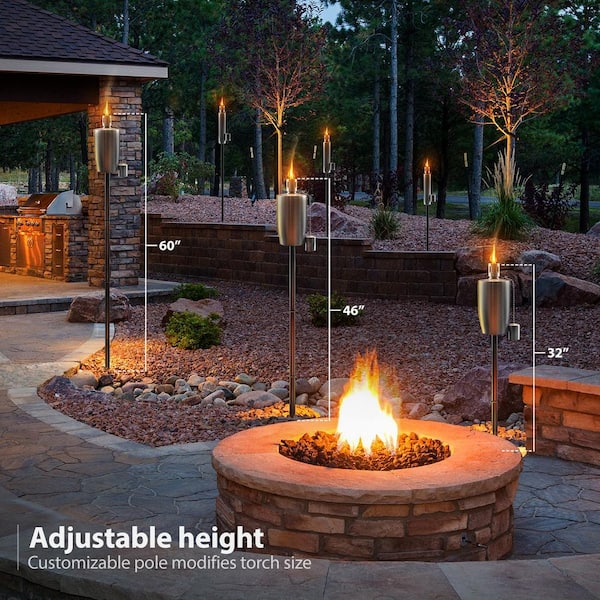
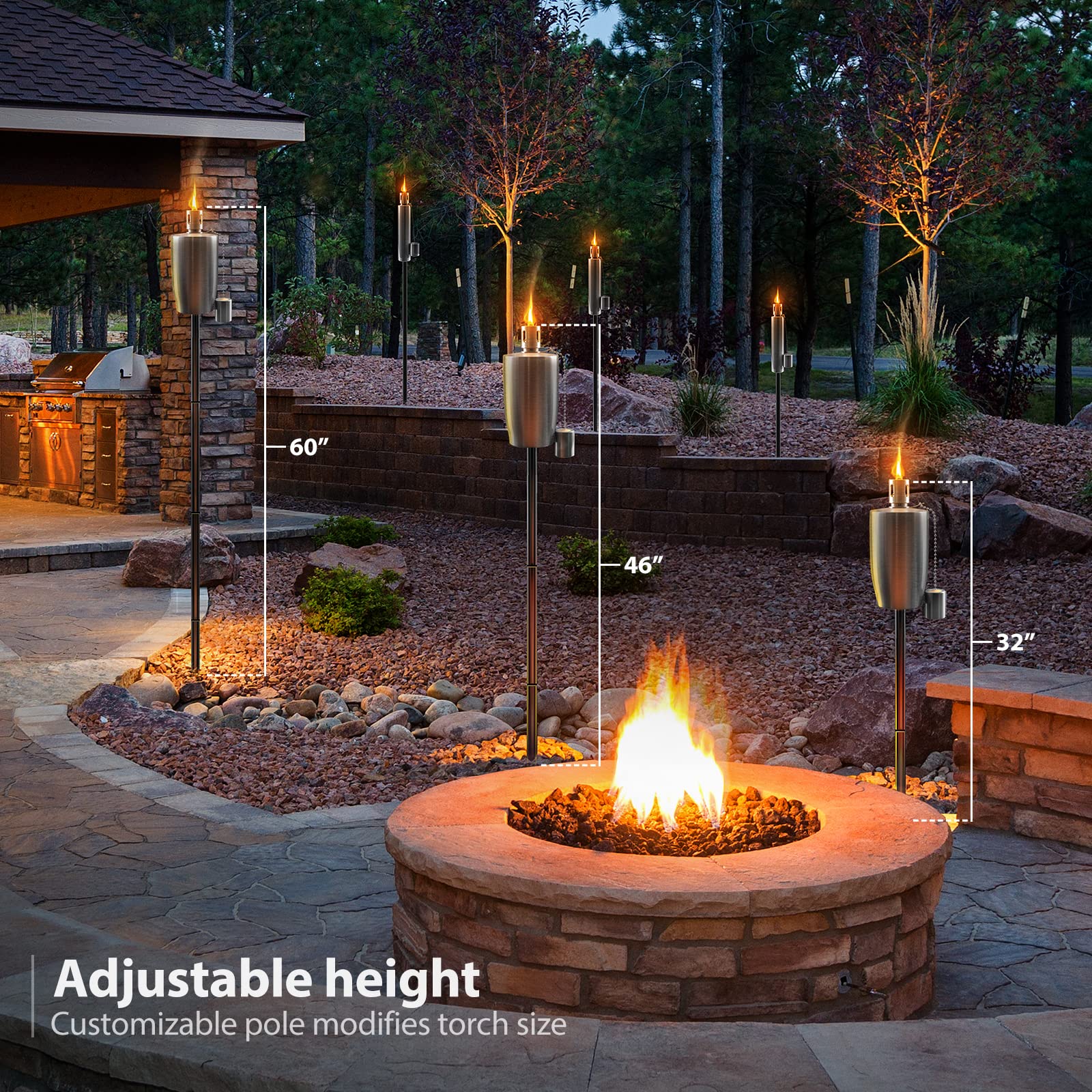
The torch itself is only one part of the equation. A stable base is critical. Consider anchoring your torches to a patio or deck using stakes or weights, especially in areas prone to high winds. Even a weighted base can be overcome by a strong gust. It’s also important to think about the surrounding environment.
Fuel choice impacts performance. Citronella oil is a popular choice for its insect-repelling properties, but it can be more susceptible to wind and rain than paraffin oil. Propane torches offer consistent flame and are less affected by wind, but require a propane tank and regulator. Always store fuel in a safe, well-ventilated area, away from direct sunlight and heat sources.
Placement is key. Avoid positioning torches near flammable materials or in areas prone to flooding. Consider the potential for falling debris – trees, branches, or even patio umbrellas can pose a hazard during a storm. If a severe weather event is forecast, it's best to bring your torches indoors or cover them securely.
Maintenance for Longevity: Keeping Your Torch Ready
Even the most durable torches require regular maintenance to ensure optimal performance and longevity. Cleaning is essential – remove dirt, debris, and soot buildup with a mild detergent and water. Inspect the torch for signs of corrosion or damage, and address any issues promptly. Apply a rust inhibitor to metal components to prevent corrosion.
Use only the recommended fuel for your torch. Avoid mixing different types of fuel, as this can cause performance issues or even safety hazards. Store fuel in a tightly sealed container, away from heat and sunlight. Proper storage during the off-season is also important – clean and dry the torch thoroughly before storing it in a protected location.
No comments yet. Be the first to share your thoughts!