
Beyond the Flame: Torch Safety in 2026
For decades, tiki torches have been synonymous with backyard gatherings, lending a festive, tropical ambiance. However, that ambiance has historically come with inherent risks. Burns from accidental contact, the potential for fires sparked by tipping torches, and the general unpredictability of an open flame have always been concerns. While the aesthetic appeal remains strong, a significant shift is underway in the industry, driven by evolving safety standards and consumer demand.
The year 2026 marks a turning point for outdoor torch safety. New regulations and technological advancements are poised to dramatically reduce the risks associated with these popular lighting fixtures. This isn’t merely a cosmetic upgrade; it’s a fundamental rethinking of torch design, materials, and functionality. Manufacturers are responding to increasing scrutiny from consumer safety groups and a growing awareness of the potential hazards.
Historically, tiki torches were often viewed as disposable decorative items, with safety taking a backseat to affordability. Early models frequently featured lightweight bases and relied heavily on user vigilance. The focus was on creating a mood, not on preventing accidents. Today, that paradigm is changing. The new standards prioritize stability, automated safety mechanisms, and safer fuel options, representing a substantial leap forward in responsible outdoor enjoyment.
The Anti-Tip Revolution: Base Design Explained
The most significant improvement arriving in 2026 centers around torch base stability. Tipping is consistently cited as the primary cause of torch-related incidents, and manufacturers are tackling this problem with a variety of innovative designs. We're seeing a move away from the traditional, slender bases towards wider footprints and increased weight.
Several approaches are gaining traction. Weighted bases, utilizing materials like cast iron or high-density polymers, are becoming standard. These bases aren't simply heavier; they’re engineered to lower the center of gravity, making the torch more resistant to being knocked over. Wider footprints distribute the weight more effectively, increasing the surface area in contact with the ground. A base with a diameter of at least 18 inches, combined with a weight exceeding 10 pounds, provides a substantial improvement in stability.
Beyond static stability, some manufacturers are incorporating ground anchoring systems. These systems typically involve stakes or screw-in feet that secure the torch to the ground, providing an extra layer of protection against wind gusts or accidental bumps. The effectiveness of these systems depends heavily on the ground surface; they work best on softer surfaces like grass or soil, but may be less effective on concrete or pavers. The physics is fairly straightforward: resisting torque requires either significant mass or a firm anchor point.
I’m not yet seeing widespread adoption of active stabilization systems – those involving sensors and automated adjustments – but it’s a potential area for future development. Currently, the focus is on passive solutions that enhance inherent stability. Comparing the effectiveness of different base designs is challenging without standardized testing protocols, but a combination of weight, footprint, and (where appropriate) anchoring appears to be the most effective strategy.
Smart Flames: Automated Safety Features
The 'smart' element of the 2026 torch revolution extends beyond simply preventing tipping. Manufacturers are integrating sensors and automated systems to monitor flame behavior and mitigate potential hazards. This includes flame sensors that detect if the flame has gone out unexpectedly, and automatic shut-off features that activate if the torch is knocked over or fuel levels are critically low.
These systems typically rely on a combination of sensors. Accelerometers and gyroscopes detect movement and orientation, allowing the torch to determine if it has been disturbed. Low fuel sensors, often utilizing capacitive or float-based technology, trigger an automatic shut-off when fuel levels drop below a pre-defined threshold. It's worth noting that the reliability of these sensors is crucial; a false positive – shutting off the torch unnecessarily – can be frustrating, while a false negative – failing to shut off in a hazardous situation – defeats the purpose.
Beyond basic shut-off functionality, some torches offer wind-resistant flame control. These systems use sensors to detect wind speed and direction, and then automatically adjust the flame height or shielding to maintain a consistent, controlled burn. This not only enhances safety but also reduces soot production and extends fuel life. Consistent flame height is desirable because it minimizes the risk of flare-ups and reduces the overall heat output.
The data on long-term reliability of these smart features is still emerging. Early reports suggest a relatively high degree of accuracy, but independent testing and long-term usage data are needed to fully assess their effectiveness. The cost of these features is also a factor; 'smart' torches typically command a higher price point than traditional models. The TIKI Smart Torch, for example, currently retails for around $80 on Amazon, reflecting the added technology.
Fuel Forward: Safer Torch Fuels
The fuel source is a critical component of torch safety, and manufacturers are exploring alternatives to traditional citronella oil. While citronella oil is effective at repelling insects, it’s also highly flammable and can produce significant smoke. Propane, gel fuels, and a growing number of bio-based options are gaining popularity.
Propane offers a cleaner burn and greater fuel efficiency, but it requires a different type of torch design – typically a larger, more robust unit with a propane tank connection. Gel fuels provide a convenient and relatively safe alternative, but they can be more expensive than traditional oil. Bio-based fuels, derived from renewable sources like plant oils, represent a more environmentally friendly option, but their effectiveness and availability vary.
From a safety perspective, propane generally poses a lower risk of accidental ignition than citronella oil, but it requires careful handling and proper ventilation. Gel fuels are less flammable and produce less smoke, but they can still pose a burn hazard if spilled. The environmental impact of each fuel type also varies; bio-based fuels generally have a lower carbon footprint than propane or petroleum-based oils. Regulations regarding torch fuel composition are becoming increasingly stringent, with some jurisdictions restricting the use of certain additives.
Top 2026 Safe Torch Models
Several models stand out as exemplifying the advancements in torch safety for 2026. While comprehensive independent testing is still ongoing, these torches incorporate key features that address common hazards. It’s important to note that pricing and availability can fluctuate.
The TIKI Brand Fleet Torch (around $60 on Amazon) features a significantly widened base and an improved fuel shut-off valve. The base is constructed from a heavy-duty polymer and offers excellent stability. The Home Decorators Collection Bamboo Torch (around $30 at Home Depot) offers a more affordable option with a weighted base and a redesigned wick system to minimize flare-ups. While not "smart", its improved base design is a substantial upgrade.
For those seeking smart functionality, the Paradise GL128 Tiki Torch with Smart Sensor (currently around $95) incorporates a tilt sensor that automatically extinguishes the flame if the torch is knocked over. It also boasts a wind-resistant flame control system. The Nuance Salton Sea 5 ft. Steel Torch (around $120) utilizes a propane fuel source and features a robust, weighted base and a built-in regulator for consistent flame height. Finally, the Bali Outdoors 60” Bamboo Tiki Torch ($75) has a ground anchoring system for superior stability in windy conditions.
These models represent a good cross-section of price points and features. While the TIKI Brand Fleet Torch offers a balance of affordability and safety, the Paradise GL128 provides the added peace of mind of automated shut-off. Selecting the right torch depends on individual needs and priorities. Always read the manufacturer’s instructions carefully before use.
Featured Products

65-inch height for prominent placement · Weather-resistant metal construction · Long-lasting wick and snuffer included
This TIKI Island King torch offers a robust and user-friendly design for reliable outdoor ambiance.

4-pack of 60-inch glass torches · Swirling metal ground pole for stability · Includes citronella torch fuel
The Westcharm 4-pack provides a coordinated and visually appealing lighting solution for pathways and garden areas.

Powerful propane torch gun · One-touch maximum fire ignition · Safety lock feature
This propane torch gun delivers high heat and precise control for culinary tasks and fire starting.

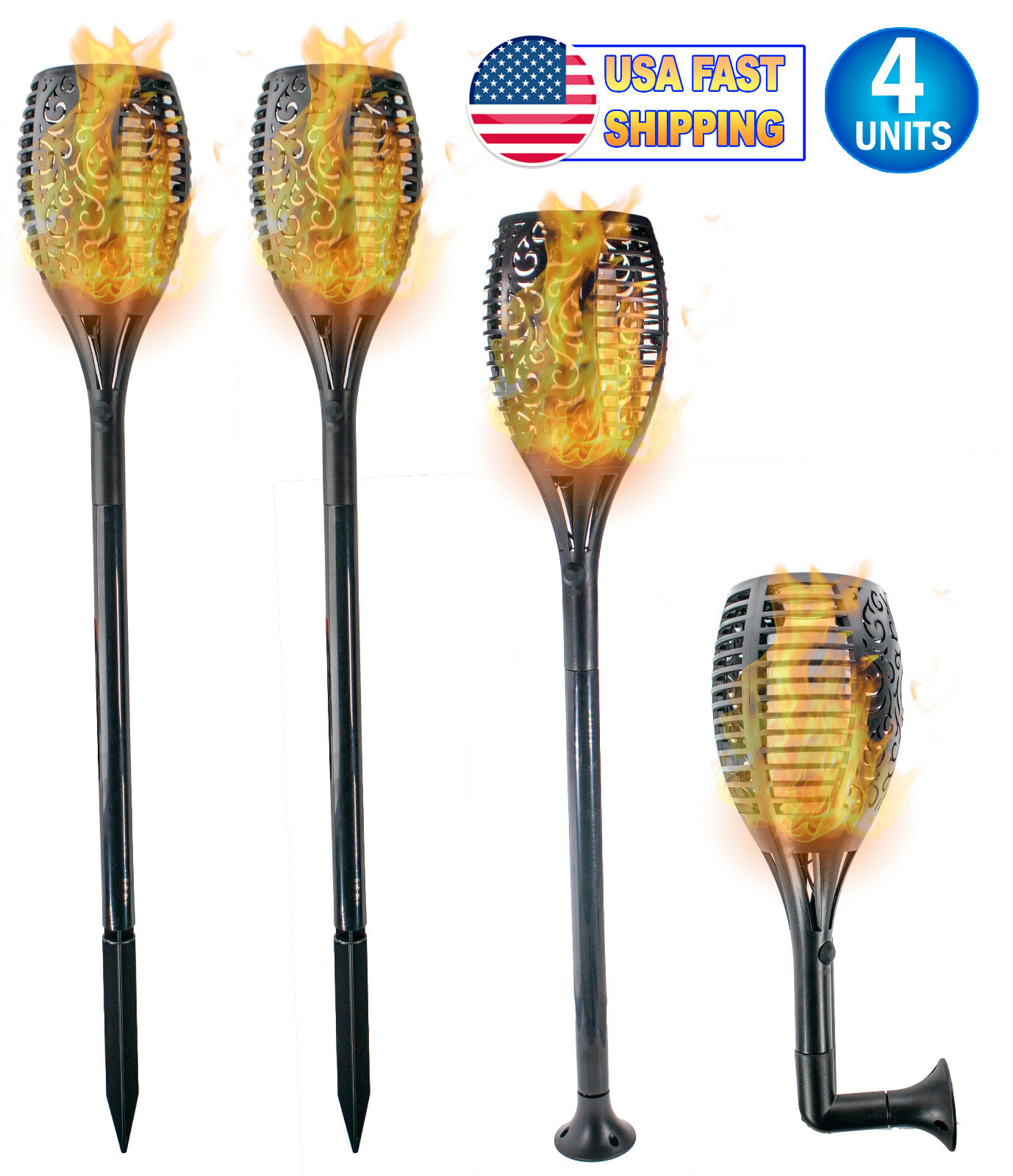
6-pack of solar-powered torch lights · Flickering flame effect · Waterproof design
The Toodour Solar Torch Lights offer an eco-friendly and maintenance-free decorative lighting option for outdoor spaces.

2-pack of refillable tabletop torches · Glass canister design · Includes snuffers and torch wicks
These refillable glass tabletop torches provide an elegant and portable way to enhance outdoor table settings.
As an Amazon Associate I earn from qualifying purchases. Prices may vary.
Installation & Maintenance: Avoiding Common Mistakes
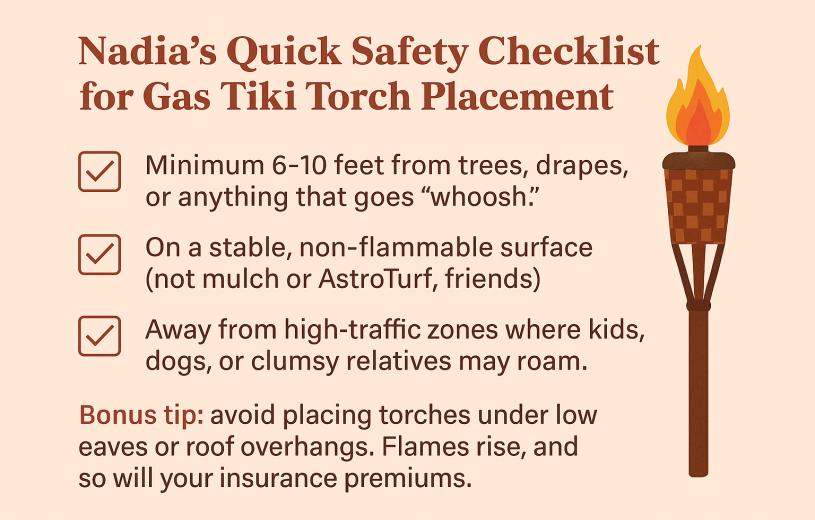
Even with the latest safety features, proper installation and maintenance are crucial for ensuring safe operation. Incorrect placement is a common mistake; torches should always be positioned on a level surface, away from flammable materials like dry grass, trees, or overhanging structures. A minimum clearance of 10 feet is recommended.
Regular cleaning is also essential. Soot and debris can accumulate around the wick, increasing the risk of flare-ups. The fuel reservoir should be cleaned periodically to prevent clogging. Proper fuel handling procedures are paramount; never refill a torch while it’s still lit, and always store fuel in a cool, dry place away from heat sources. It’s also important to keep torches out of reach of children and pets.
A frequently overlooked aspect is wind protection. Even torches with wind-resistant features can be susceptible to strong gusts. Consider placing torches in a sheltered location or using a windbreak to minimize the risk of tipping or flame instability. Regularly inspect the base for signs of damage or wear, and replace any damaged parts immediately. Responsible use, coupled with the new safety features, will significantly reduce the risk of accidents.
- Place torches on a level, non-flammable surface.
- Maintain a minimum clearance of 10 feet from combustible materials.
- Clean the torch regularly to remove soot and debris.
- Never refill a torch while it is lit.
- Store fuel in a cool, dry place.
Future Proofing: What's Next for Torch Safety?
The evolution of tiki torch safety is far from over. Integration with smart home systems is a logical next step, allowing users to remotely monitor and control their torches via smartphone apps. More advanced sensors could detect not only tipping and low fuel levels but also changes in air temperature or the presence of flammable vapors.
Self-extinguishing torches, utilizing advanced materials and automated systems, could represent the ultimate in safety. Imagine a torch that automatically extinguishes the flame if it detects a hazardous condition, even without user intervention. Research into new fuel technologies, including more sustainable and non-flammable alternatives, is also ongoing. Industry standards and regulations will undoubtedly play a key role in driving these innovations.
No comments yet. Be the first to share your thoughts!