
Beyond the Flame: Why Weather Resistance Matters for Outdoor Torches
Outdoor torches are a fantastic way to add ambiance to a patio or garden, but their longevity depends heavily on their ability to withstand the elements. Many torches marketed as 'outdoor rated' simply aren't equipped to handle prolonged exposure to humidity, freezing temperatures, and intense UV radiation. This often leads to premature rust, cracking, or discoloration, shortening the torch’s lifespan and potentially creating safety hazards.
The materials used in construction are the first line of defense. Metal torches, while aesthetically pleasing, are susceptible to corrosion. Glass can become brittle and shatter in freezing conditions. Even plastics, designed for outdoor use, can degrade over time with constant sunlight exposure. It’s not enough for a torch to simply exist outdoors; it needs to maintain its structural integrity and safe operation through changing seasons.
Fuel type also plays a role. Citronella oil, a common choice, can become less effective in high winds or heavy rain. Paraffin and lamp oils have different flash points and viscosity, impacting how they burn in varying temperatures. Considering these factors is essential for selecting a torch that performs reliably year-round. Ignoring these details can lead to frustrating, and potentially dangerous, outcomes.
A truly weather-resistant torch isn’t just about surviving the elements, it's about maintaining consistent performance and safety. It’s about investing in a product that will last, and provide years of enjoyment without requiring constant repair or replacement. Durability comes down to specific material choices and mechanical features.
Material Science: Decoding Torch Durability
Metal composition determines how long a torch lasts. Stainless steel is the gold standard, but not all stainless steel is created equal. 304 stainless steel offers good corrosion resistance, but 316 stainless steel, containing molybdenum, provides significantly better protection against chlorides and saltwater – making it ideal for coastal environments. Expect a price increase with 316, but the extended lifespan can justify the cost.
Tempered glass is essential for torch bowls and enclosures. This process strengthens the glass, making it less prone to shattering from thermal shock or impact. However, even tempered glass can break under extreme stress, so consider torches with protective cages or guards, especially in areas prone to strong winds. The thickness of the glass is another factor; thicker glass is generally more durable.
Plastics used in torch construction vary widely. Polypropylene and high-density polyethylene (HDPE) are common choices for bases and reservoirs due to their good weather resistance and impact strength. Avoid torches using brittle or low-quality plastics that can crack or become discolored in sunlight. Look for UV-stabilized plastics, which are formulated to resist degradation from prolonged sun exposure.
Galvanization and powder coating protect metal torches from rust. Galvanization involves coating the steel with a layer of zinc, which acts as a sacrificial anode, corroding before the steel itself. Powder coating provides an additional protective layer and comes in a variety of colors. A high-quality powder coat will resist chipping and scratching, maintaining the torch’s protective barrier. A thicker coating generally indicates better protection.
- 304 Stainless Steel: Good corrosion resistance, suitable for most climates.
- 316 Stainless Steel: Superior corrosion resistance, ideal for coastal areas.
- Tempered Glass: Strengthened glass, less prone to shattering.
- Polypropylene/HDPE: Durable, weather-resistant plastics.
- UV-Stabilized Plastics: Resist degradation from sunlight.
Material Comparison: Outdoor Torch Attributes (2026 Projection)
| Material | Corrosion Resistance | UV Resistance | Impact Resistance | Aesthetic Appeal | Relative Cost |
|---|---|---|---|---|---|
| Stainless Steel | High | High | Medium | High | Medium to High |
| Aluminum | High | High | Medium | Medium | Medium |
| Plastic | Low | Medium | High | Low | Low |
| Glass | High | High | Low | Medium to High | Medium |
| Powder-Coated Steel | Medium | Medium | Medium | Medium | Low to Medium |
| Copper | High | High | Medium | High | High |
| Wrought Iron | Low | Medium | Medium | Medium | Medium |
Illustrative comparison based on the article research brief. Verify current pricing, limits, and product details in the official docs before relying on it.
Fuel Considerations: Which Type Holds Up Best?
Citronella oil remains the most popular fuel choice for outdoor torches, primarily due to its insect-repelling properties. However, its performance can be compromised in inclement weather. Heavy rain can dilute the oil, reducing its burn time and effectiveness. Strong winds can quickly extinguish the flame. While convenient, citronella oil isn’t always the most reliable option for all-season use.
Paraffin and lamp oil offer a cleaner burn and often a longer burn time compared to citronella. They are less susceptible to being extinguished by wind, but they lack the insect-repelling benefits. These fuels also have different viscosity levels, meaning they flow differently at varying temperatures. Colder temperatures can increase viscosity, potentially clogging the wick.
For larger torches, propane or natural gas offer a more consistent and powerful flame. These fuels are less affected by wind and rain, but require a more complex torch design and a gas supply connection. Safety is paramount when using propane or natural gas; ensure proper ventilation and follow all manufacturer’s instructions. Proper storage of gas canisters is also essential.
The potential for fuel to freeze is a significant concern in colder climates. Citronella and paraffin can solidify at low temperatures, rendering the torch unusable. Storing fuel indoors in a temperature-controlled environment is crucial. Always check the manufacturer’s recommendations for the optimal storage temperature for your chosen fuel.
Top 10 Weather-Resistant Torches of 2026: A Detailed Review
These ten models for 2026 balance material quality with fuel efficiency.
1. TIKI Flecked Steel Torch (Amazon - $29.99): This torch features a steel construction with a speckled finish. While not 316 stainless steel, the galvanization offers reasonable rust protection. It uses citronella oil and has a burn time of approximately 6-8 hours. The open design is susceptible to wind, but the price point is attractive.
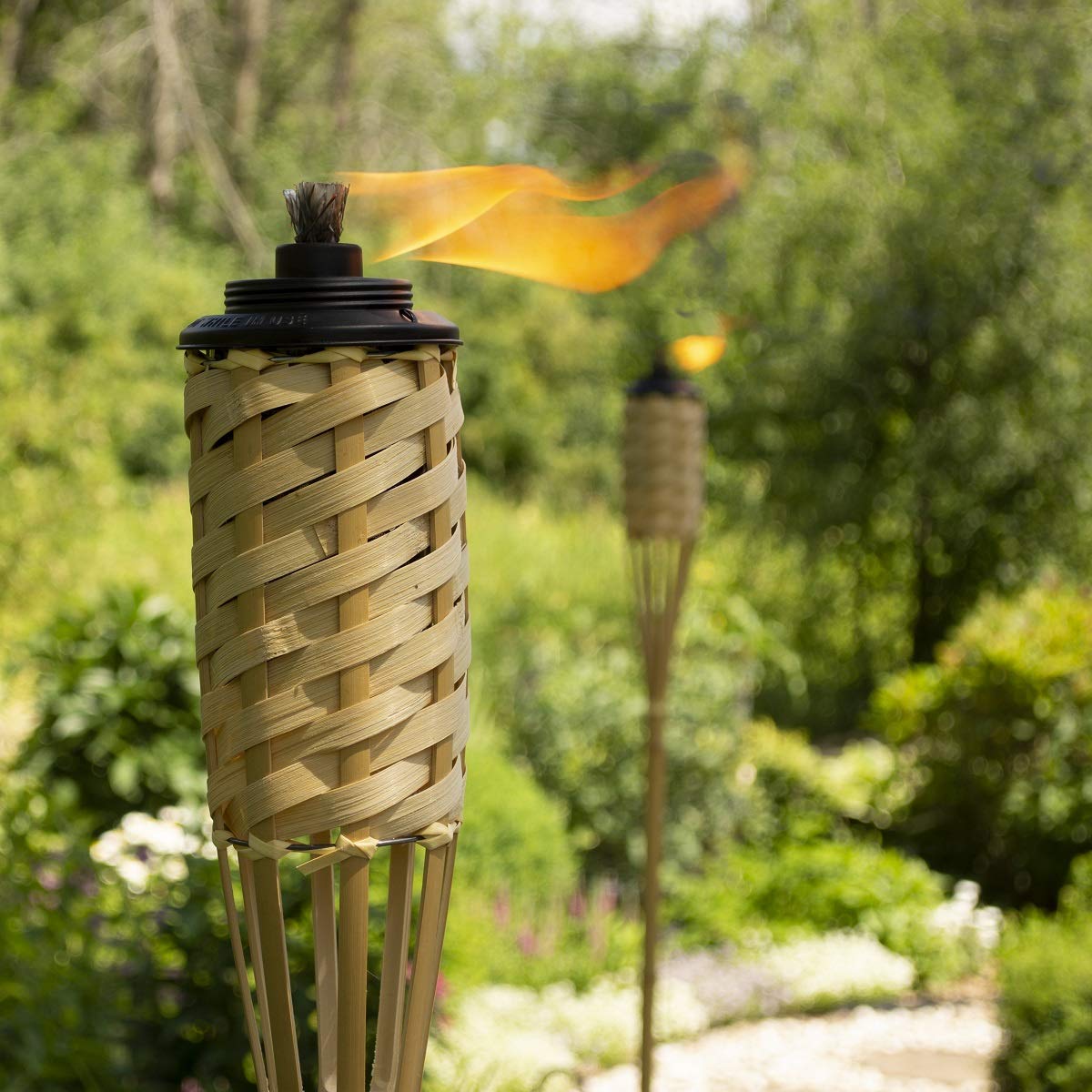
2. Oasis 50” Bamboo Torch (Amazon - $24.99): Constructed from treated bamboo, this torch offers a classic tiki look. Bamboo requires regular maintenance to prevent cracking and splitting, making it less durable than metal options. Best suited for sheltered patios. Uses citronella oil.
3. Hampton Bay La Jolla Torch (Outdoor Fire & Patio - $49.99): A copper-finished steel torch with a wider bowl for a more substantial flame. The copper finish adds a touch of elegance, but requires occasional polishing to maintain its appearance. Uses citronella or paraffin oil.
4. Sonoma Life + Style Stainless Steel Torch (Amazon - $39.99): Made from 304 stainless steel, this torch offers good corrosion resistance. It features a sleek, modern design and a durable glass bowl. Burn time is around 8-10 hours with citronella oil.
5. Bali Outdoors Stainless Steel Tiki Torch (Amazon - $44.99): Another 304 stainless steel option, this torch includes a snuffer cap to prevent fuel evaporation and extinguish the flame cleanly. It’s a slightly heavier gauge steel than the Sonoma model, offering increased stability.
6. Blue Rooster 36” Brushed Nickel Torch (Outdoor Fire & Patio - $59.99): This torch features a brushed nickel finish over steel, providing a contemporary look. The finish is less prone to showing fingerprints than polished steel. Uses citronella oil and has a burn time of 5-7 hours.
7. Real Flame Propane Tiki Torch (Amazon - $129.99): A propane-fueled torch offering a consistent flame and longer burn time. It requires a propane tank connection and features adjustable flame control. Requires careful attention to safety precautions.
8. Serene Spaces Living Bamboo Torch Set (Amazon - $34.99 - set of 6): A budget-friendly option, this set includes six bamboo torches. Similar to the Oasis torch, it requires regular maintenance. Best for occasional use in dry climates where they can be stored indoors between events.sheltered areas.
9. Garden Life Stainless Steel Path Torch (Outdoor Fire & Patio - $29.99 - set of 4): Smaller, path-style torches made from 304 stainless steel. Ideal for lining walkways or garden paths. Uses citronella oil and provides a subtle ambient glow.
10. NuFlame Luxor Propane Torch Tabletop (Amazon - $99.99): A tabletop propane torch offering a modern aesthetic. It’s portable and easy to use, but requires a propane canister. Features adjustable flame height.
Top 10 All-Season Weather-Resistant Outdoor Torches for 2026
Durable copper construction · Tarnish-resistant finish · Easy assembly and refill system
This torch offers a premium aesthetic with robust copper construction, ensuring longevity and resistance to the elements for year-round garden appeal.
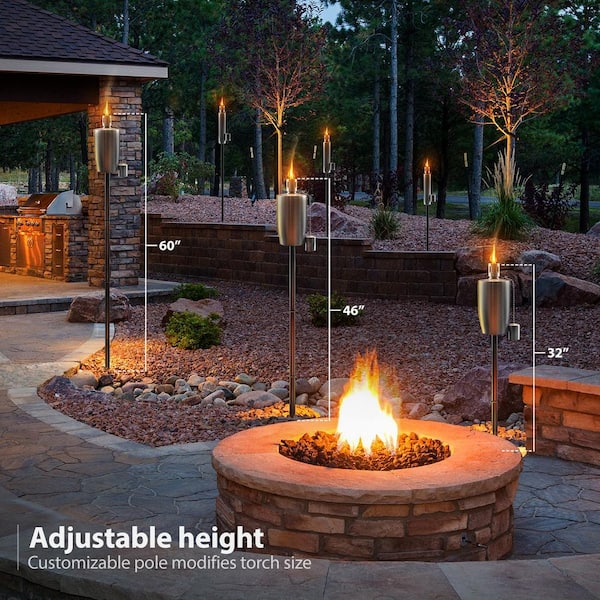
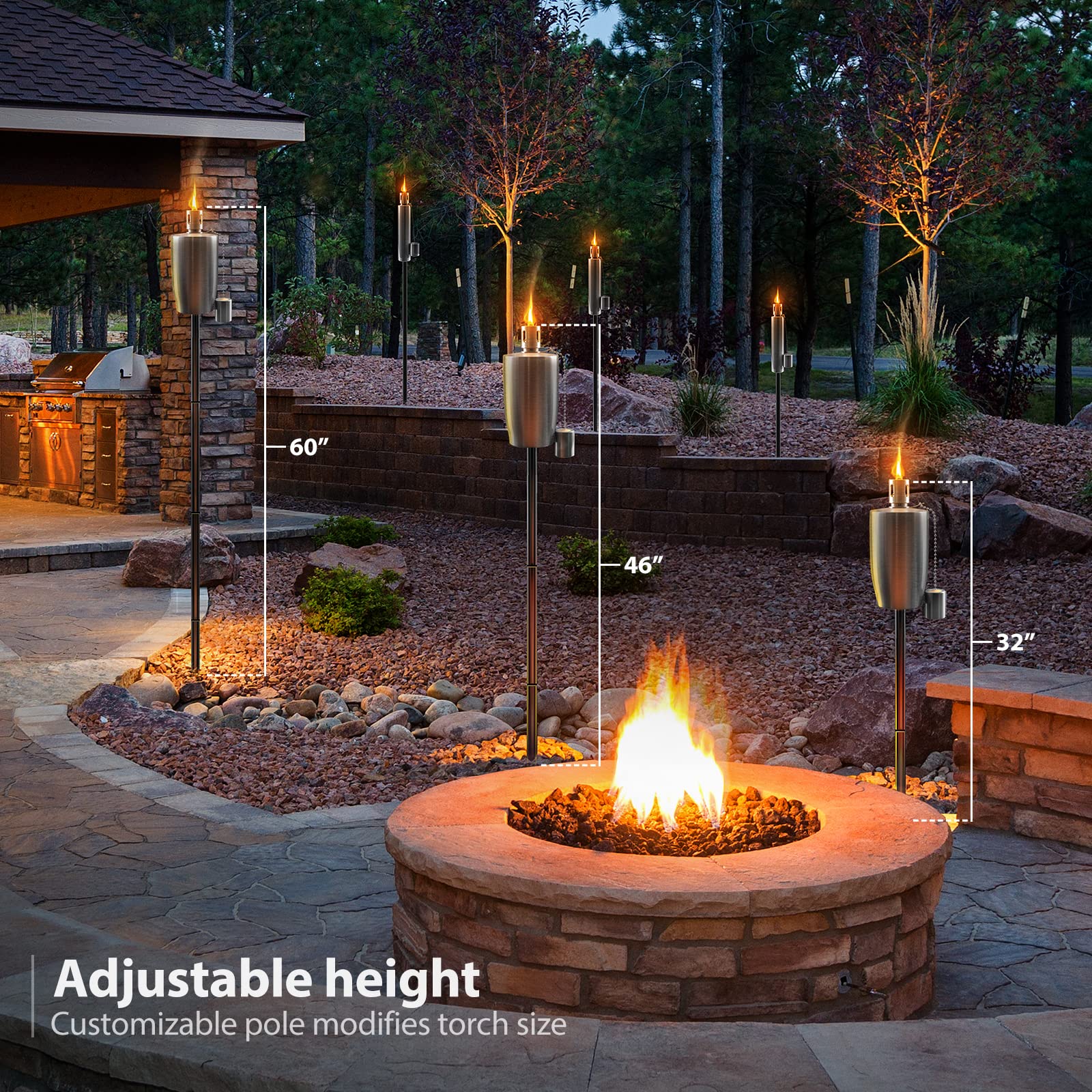
Powder-coated metal pole · 3-piece pole for adjustable height · Leak-resistant wick and cap
A practical and durable option, this metal torch provides reliable performance and weather resistance at an accessible price point.
Rust-proof stainless steel · Includes wick and snuffer cap · Stable pole design
This set of stainless steel torches offers excellent corrosion resistance and a clean, modern look, making them suitable for consistent outdoor display.
Compact table-top design · Durable metal construction · Windguard for stable flame
Ideal for smaller spaces or as accent lighting, this table torch provides a contained and weather-resistant flame for intimate outdoor settings.
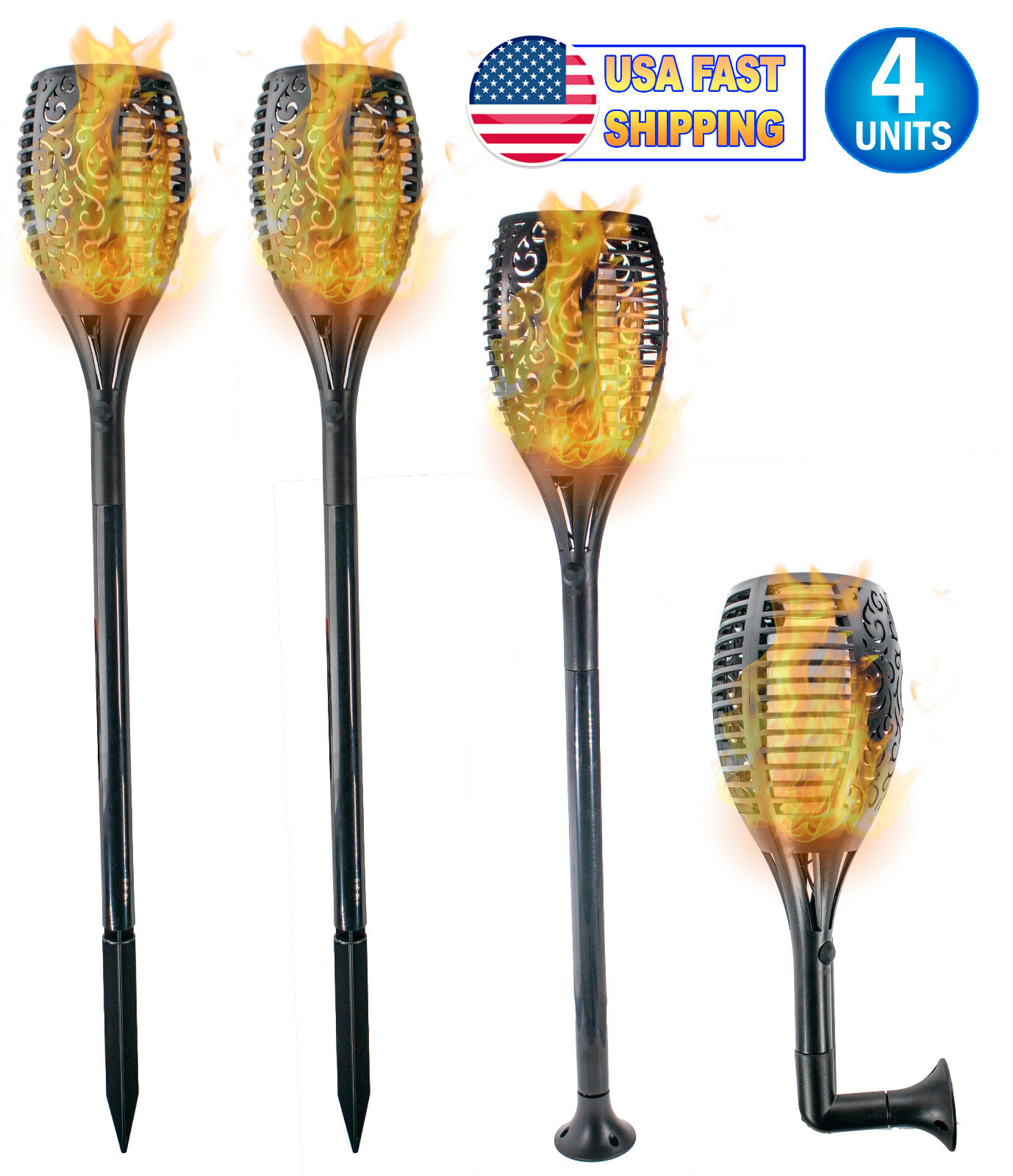
Solar-powered LED flame effect · Automatic on/off sensor · Weatherproof construction
This solar-powered torch provides a maintenance-free, weather-resistant lighting solution with a realistic flame effect, ideal for continuous garden illumination.
As an Amazon Associate I earn from qualifying purchases. Prices may vary.
Beyond Tiki: Innovative Designs for All-Season Ambiance
While traditional tiki torches have their charm, a range of innovative designs offer enhanced weather resistance and a more sophisticated aesthetic. Stainless steel fire bowls are a popular alternative, providing a larger flame and a more contemporary look. These bowls often use propane or natural gas, offering consistent performance in windy conditions.
Propane-fueled patio heaters with flame effects combine warmth and ambiance. These heaters are designed to withstand outdoor elements and provide a reliable heat source even in cooler temperatures. They typically feature adjustable flame heights and safety features like tip-over shutoff.
Solar-powered torches offer a convenient and eco-friendly lighting solution. Modern solar torches utilize durable, weather-resistant housings and high-capacity batteries to provide hours of illumination. While the flame effect is simulated, the ambiance can be quite appealing. Look for models with a high IP rating for water resistance.
The key to selecting an innovative design is to prioritize durability and functionality. Consider the materials used, the fuel source, and the overall construction quality. A well-designed torch will not only enhance your outdoor space but also withstand the test of time and weather.
Installation and Maintenance: Protecting Your Investment
Proper installation is crucial for ensuring the safe and reliable operation of your outdoor torches. Always anchor torches securely to prevent them from tipping over in wind. This can be achieved using ground stakes, weighted bases, or by placing them on a stable surface. Avoid placing torches near flammable materials such as dry leaves, curtains, or overhanging branches.
Regular cleaning is essential for maintaining the appearance and performance of metal torches. Remove rust and corrosion with a wire brush or sandpaper, and apply a protective coating of rust inhibitor. Polish copper or brass torches to prevent tarnishing. Clean glass bowls with a mild detergent and water.
During the off-season, store torches in a dry, sheltered location to protect them from the elements. Empty and clean the fuel reservoir before storage. Cover the torches to prevent dust and debris from accumulating. This simple step can significantly extend their lifespan.
Always follow the manufacturer’s instructions for fuel handling and fire prevention. Never leave a burning torch unattended. Keep a fire extinguisher or bucket of water nearby in case of emergencies. Be mindful of wind conditions and extinguish the flame if it becomes too erratic.
- Secure Anchoring: Prevent tipping in wind.
- Regular Cleaning: Remove rust and debris.
- Protective Coating: Apply rust inhibitor.
- Proper Storage: Dry, sheltered location.
- Safe Fuel Handling: Follow manufacturer’s instructions.
Community Buzz: What Torch Owners Are Saying
Online forums and review sections offer valuable insights into the real-world performance of outdoor torches. A common complaint regarding bamboo torches centers around their susceptibility to cracking and splitting, even with regular maintenance. Users frequently recommend treating bamboo with a sealant to prolong its life.
Stainless steel torches consistently receive positive reviews for their durability and ease of maintenance. However, some users note that lower-grade stainless steel can still exhibit surface rust over time, particularly in coastal environments. Investing in 316 stainless steel is often recommended for these areas.
Propane torches are praised for their consistent flame and longer burn time, but users caution about the importance of proper safety precautions. Leaks and improper ventilation are common concerns raised in online discussions. Several users on Reddit (r/OutdoorLiving) recommend using a gas leak detector.
Many Amazon reviewers suggest using a higher-quality citronella oil for improved insect-repelling effectiveness. Some also recommend adding a small amount of kerosene to the oil to increase burn time, though this practice should be approached with caution due to flammability concerns.
No comments yet. Be the first to share your thoughts!