
Outdoor torches budget
Finding the right balance between cost and quality for outdoor torches means looking past the sticker price. The market splits into two distinct categories: disposable fuel torches and durable electric or solar alternatives. Understanding where your money goes helps you avoid overpaying for features you won't use.
Disposable fuel torches
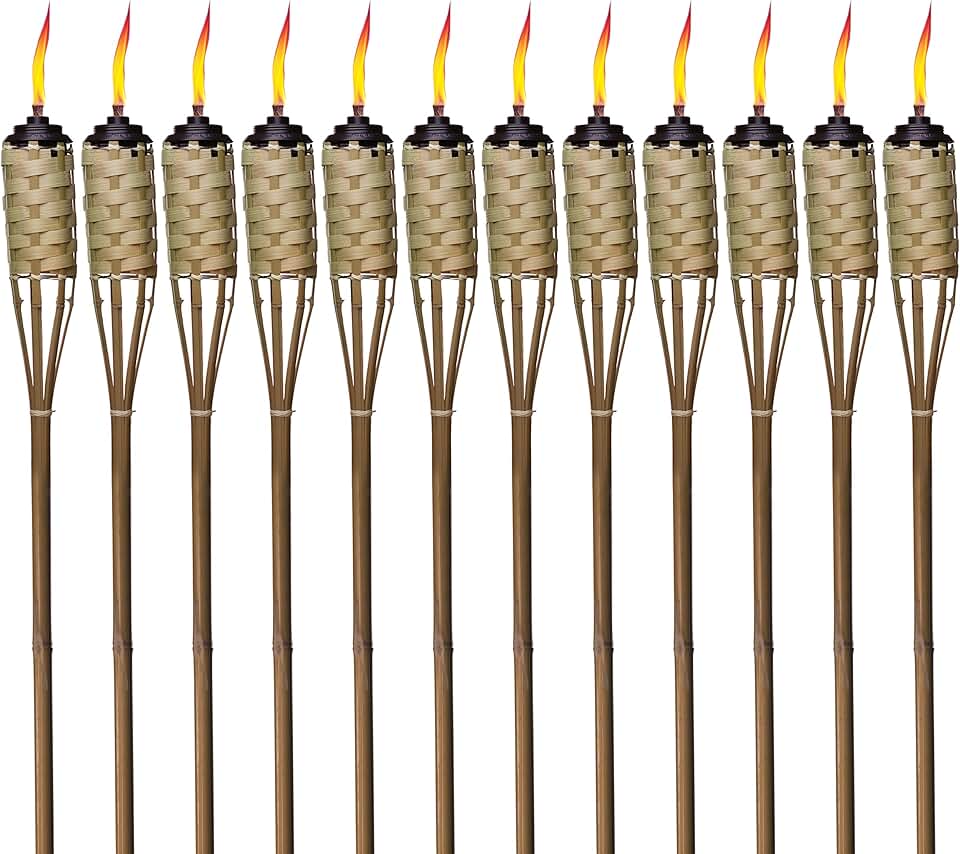
For casual patio use, standard bamboo tiki torches offer the lowest upfront cost. You can often find multi-packs for under $20, making them easy to replace seasonally. However, the real expense lies in the ongoing cost of fuel sticks and the time spent refilling them. They are ideal for renters or those who want a traditional flame without installation. Look for weather-resistant bamboo or treated wood to extend their lifespan against rain and humidity.
Electric and solar options
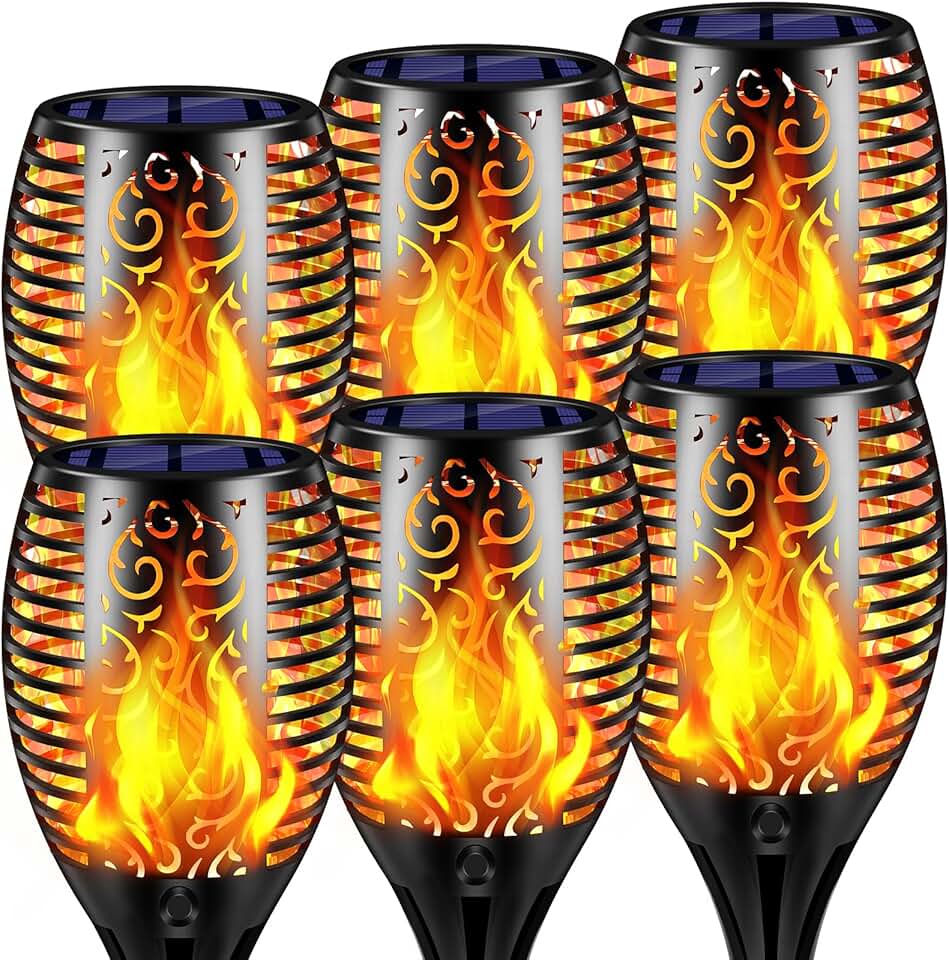
Solar torches sit in the mid-range price bracket but offer long-term savings by eliminating fuel costs. They require upfront investment in quality units with decent battery capacity and UV-resistant plastics. Cheap solar torches often fail within a year due to poor weather sealing or weak batteries. Higher-end models feature brighter LEDs, larger solar panels, and sturdier metal or composite poles that withstand wind and storms. This category suits homeowners who want consistent ambiance without the maintenance of open flames.
What to prioritize
When setting a budget, prioritize durability over initial savings. A $15 torch that breaks in one winter costs more per year than a $40 torch that lasts five. Check for warranty coverage, material quality, and ease of cleaning. For those seeking tactical or high-intensity lighting, professional-grade LED torches like those used by military personnel offer superior brightness and reliability, though they serve a different purpose than decorative patio ambiance.
Shortlist real options
We compared the strongest outdoor torches available for 2026, focusing on flame performance, weather resistance, and fuel efficiency. The market splits into two distinct categories: traditional fuel-burning torches for that classic ambiance and modern solar alternatives for low-maintenance lighting. Below is a side-by-side comparison of the top contenders to help you choose the right tool for your patio.
| Product | Type | Flame Size | Power Source | Best For |
|---|---|---|---|---|
| TIKI Island King | Fuel Torch | Large (5x standard) | Refillable Fuel | Bold ambiance |
| HaloFire Tornado | Fuel Torch | Vortex/Controlled | Refillable Fuel | Wind resistance |
| IkeeRuic Solar Set | Solar Light | LED Glow | Solar Panel | Zero maintenance |
| Ledlenser Tactical | Flashlight | N/A | Rechargeable Battery | Security/Safety |
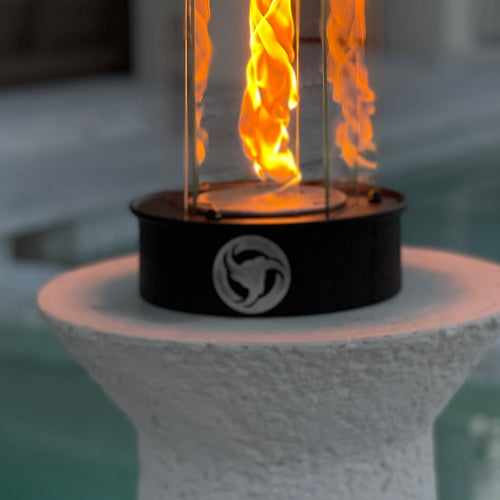
The TIKI Island King dominates the traditional category with a flame five times larger than a standard torch. It is designed for homeowners who want maximum visual impact and don't mind refueling. For those battling breezy patios, the HaloFire Tornado uses a vortex airflow system to keep the flame stable and efficient, reducing fuel waste in windy conditions.
If ambiance is secondary to convenience, the IkeeRuic Solar Set offers a weather-resistant bamboo aesthetic with zero fuel costs. However, for safety-focused lighting rather than decoration, tactical options like the Ledlenser series provide high-lumen illumination for security purposes, bridging the gap between torches and flashlights.
Inspect the expensive parts
Outdoor torches fail most often where materials meet the elements. The burner assembly and fuel reservoir take the hardest hit from heat, wind, and moisture. Spending a few minutes checking these areas before the season starts prevents leaks, corrosion, and costly replacements.
Debris and spider webs often block the small ports in the burner. A clogged burner causes uneven flames or complete failure to ignite. Use a thin wire or compressed air to clear the ports before lighting the torch.
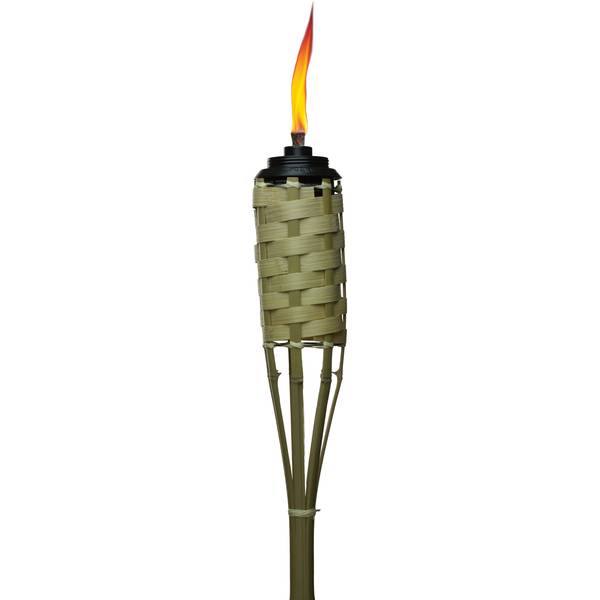
The wick is the heart of the flame. If it is charred, frayed, or shorter than half an inch, it will not draw fuel properly. Check the cap for cracks that might let fuel evaporate or leak out when the torch is moved.
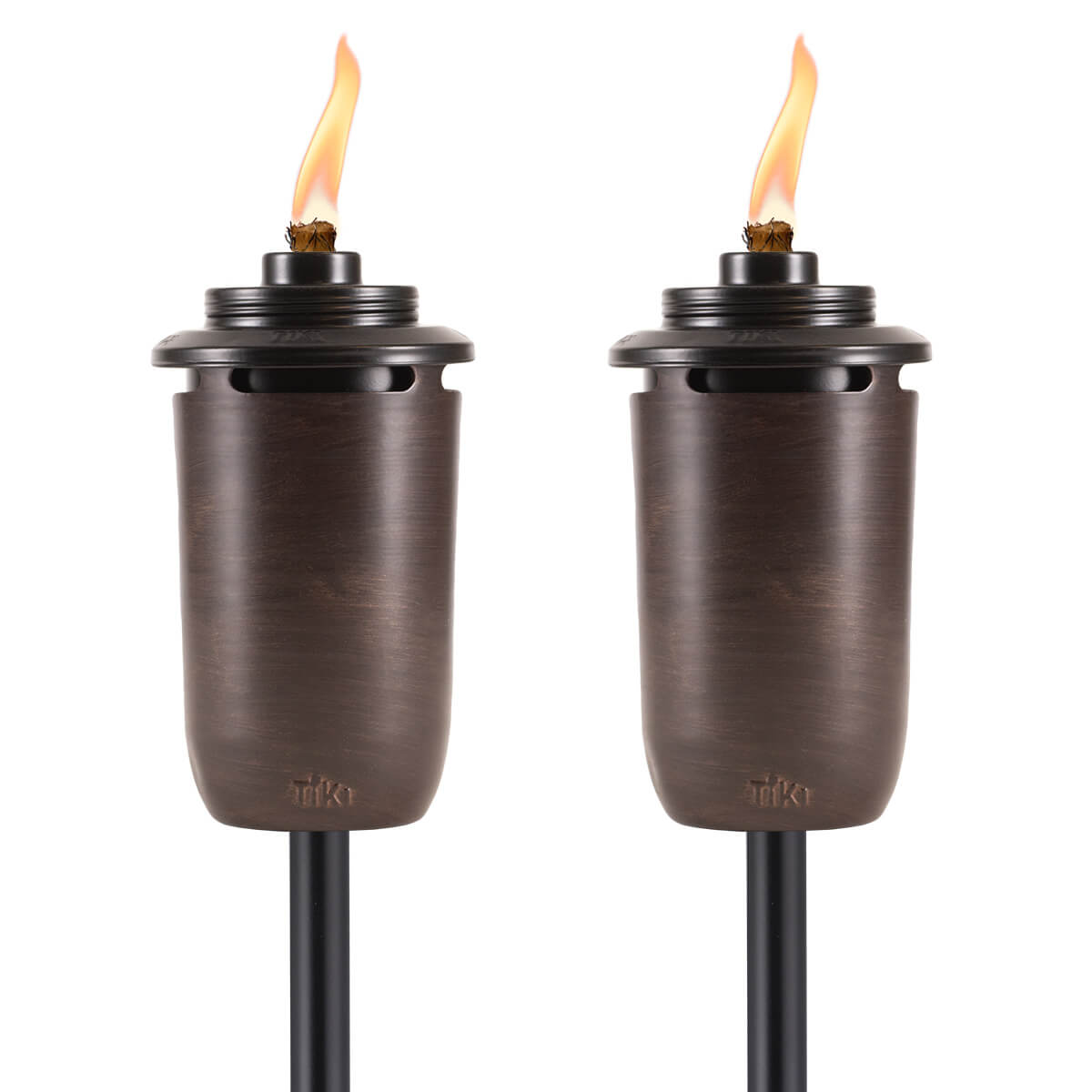
Connect the fuel container and check for drips at the connection point. Even a small leak creates a fire hazard and wastes fuel. Tighten fittings by hand; over-tightening can crack the plastic or metal threads.
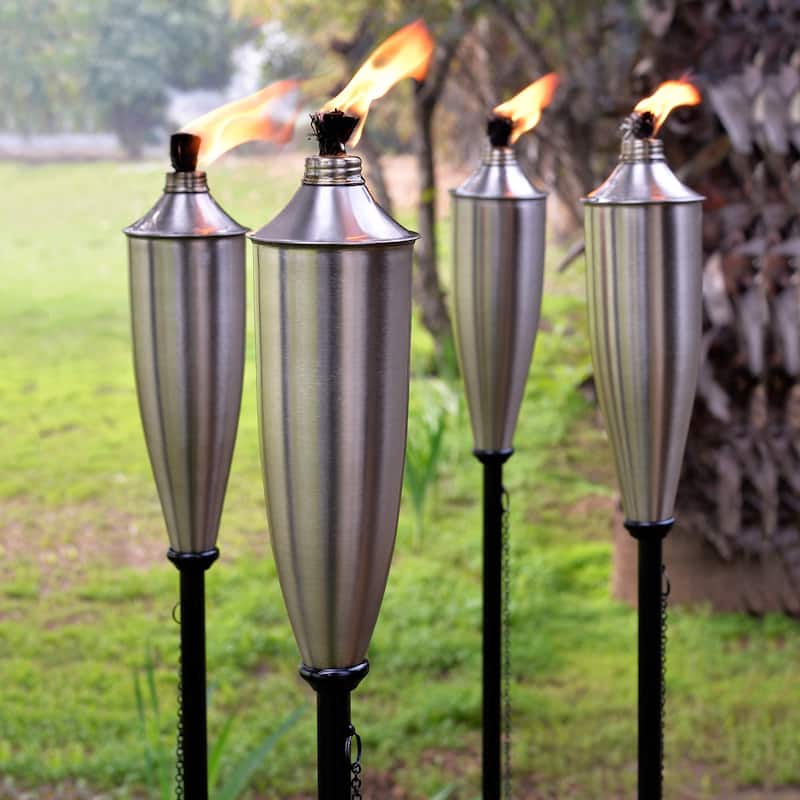
A torch that tips over is a major safety risk. Ensure the base is wide enough for the height of the torch. If the base is lightweight, add sand or water to the bottom to lower the center of gravity and prevent tipping in wind.
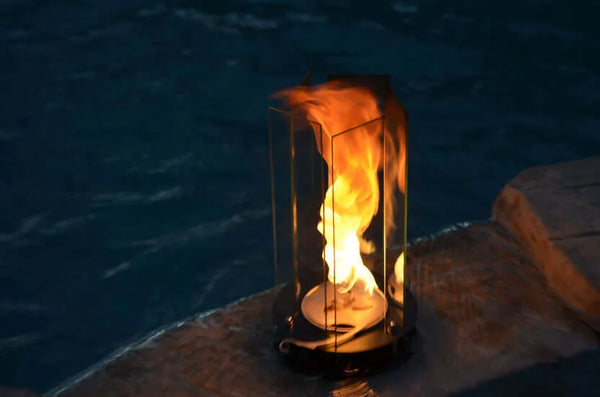
Some torches have glass wind guards or vortex designs to keep the flame lit in breezes. Check that these components are secure and not cracked. Damaged wind guards allow flames to flicker out or spread unevenly.

As an Amazon Associate, we may earn from qualifying purchases.
Plan for ownership costs
The sticker price is only the first expense. Real ownership costs for outdoor torches come from fuel consumption, replacement parts, and the hidden labor of maintenance. A budget torch that burns through fluid quickly or breaks after one season often costs more than a mid-range model over time.
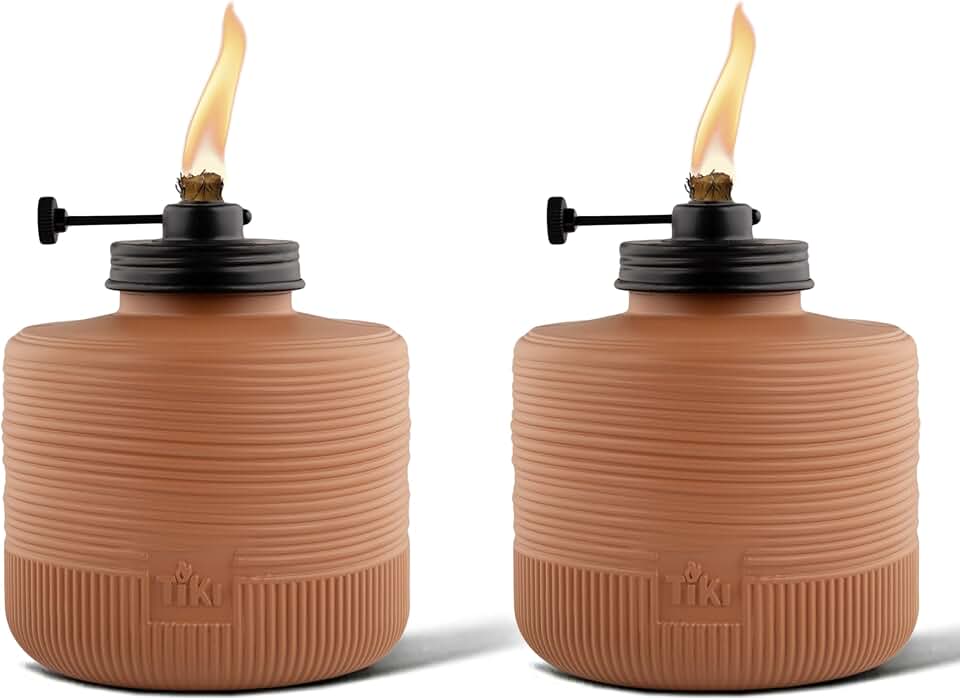
Fuel efficiency varies wildly by design. Standard bamboo-style torches with simple wicks burn through citronella or kerosene fast, requiring frequent refills. Advanced models, like the HaloFire Tornado Fire Torch, use a vortex design and precision airflow to reduce fuel waste while increasing burn time. This engineering difference turns a daily chore into a weekly task, saving both money and effort.
Don't overlook maintenance surprises. Cheap plastic components crack in UV light, and clogged wicks turn a simple trim into a frustrating struggle. Look for torches with replaceable wicks and durable materials. If a torch requires specialized tools or proprietary parts to fix, the long-term cost rises sharply. Buying a system that is easy to service is often cheaper than buying the cheapest initial unit.

As an Amazon Associate, we may earn from qualifying purchases.
Outdoor torches: what to check next
Before you buy, it helps to know how these lights actually perform in real weather and whether they fit your specific safety needs. Here are the practical answers to the most common questions we see.
What torches does the military use?
The military uses tactical flashlights, not decorative patio torches. Brands like Ledlenser engineer these devices to meet strict standards for armed forces, featuring features like tail switch operation and high durability. For your patio, a standard solar or fuel torch is the correct choice for ambiance, while a tactical light is for security.
How long do solar torches last on a single charge?
Quality solar torches typically provide 6 to 8 hours of light after a full day of sun exposure. However, winter months with shorter days can reduce this runtime significantly. If your patio is shaded, consider a model with a larger solar panel or a backup battery option to ensure consistent evening illumination.
Are outdoor torches safe for wooden decks?
Standard tiki torches with open flames are generally unsafe for wooden decks due to the risk of sparks and heat damage. If you have a wooden surface, stick to flameless LED solar torches or enclosed glass lanterns. Always place any heat-emitting torch on a stable, non-flammable base like stone or concrete.
Do outdoor torches actually keep bugs away?
Traditional tiki torches with citronella oil offer limited protection, working best within a 3 to 5-foot radius. For broader coverage, look for torches that combine citronella fuel with UV light traps or pair them with Thermacell repellent zones. No single torch eliminates all insects, but the right combination reduces the nuisance factor significantly.
No comments yet. Be the first to share your thoughts!