Finding the right outdoor torches budget
Outdoor torches range from $15 disposable options to $200+ decorative pieces. Setting a realistic budget helps you avoid overpaying for features you won’t use. For most patio setups, the sweet spot lies between $30 and $80. This range typically gets you durable materials like powder-coated steel or treated bamboo that withstand weather without the premium price tag of artisanal copper or brass.
When comparing products, look at the cost per burn hour. A $10 torch using standard fuel might last only a few hours, while a $50 model with a larger reservoir could burn for 10-12 hours. Calculate how many nights you plan to use them. If it’s just for occasional summer gatherings, cheaper options make sense. For weekly entertaining, invest in a larger, more efficient burner.
Consider the total cost of ownership. Some torches require specific, expensive fuel blends. Others fit standard kerosene or citronella cans. Check replacement part availability for wicks and glass shades. A slightly higher upfront cost for a torch with widely available parts saves money long-term.
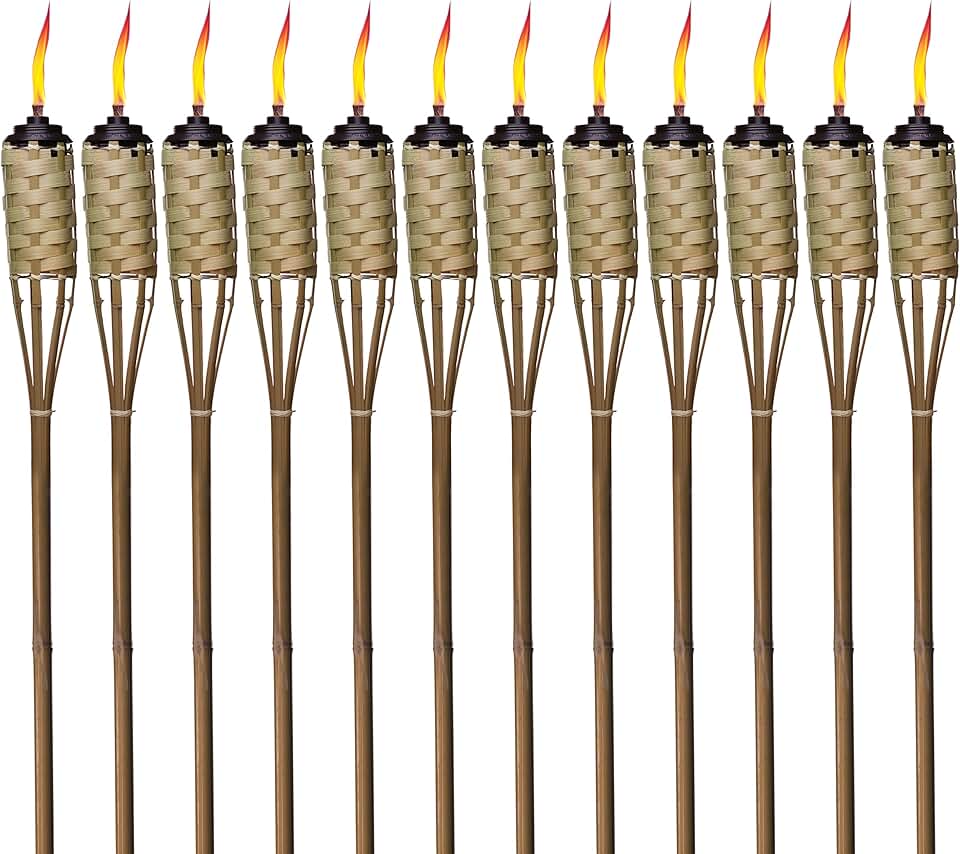
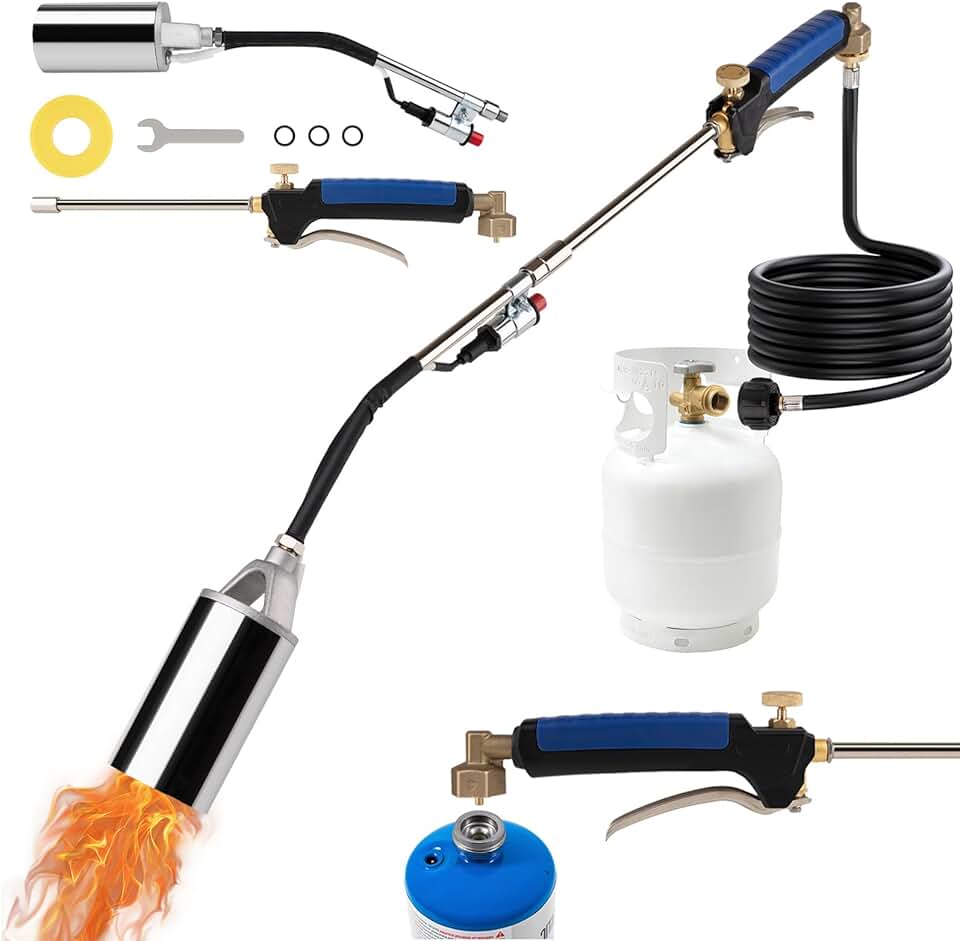

As an Amazon Associate, we may earn from qualifying purchases.
Don’t forget to factor in installation costs. Some torches need stakes for ground placement, while others require hanging hardware. If you’re placing them on uneven terrain, check the base stability. A wide, flat base prevents tipping, which is crucial for safety around children and pets.
Shortlist real options
Finding the best outdoor torches requires looking past marketing claims and focusing on what actually works on a patio. We compared top-rated models from Amazon and Home Depot best-sellers, prioritizing wind resistance, flame stability, and ease of use. The goal is to find torches that keep bugs away without flickering out the moment a breeze hits.
The TIKI Pineapple Paradise Glass Table Torch stands out for its decorative appeal and reliable burn. It features a white and gold finish that adds a touch of elegance to modern patios. With over 136 reviews, users appreciate its sturdy glass construction and consistent flame, making it a safe choice for table-side entertaining.
For those dealing with unpredictable weather, HaloFire’s Tornado Fire Torches are engineered to outperform standard tiki torches. Their design focuses on wind resistance, ensuring the flame stays lit even in real outdoor conditions. This makes them a practical choice for open decks or breezy gardens where traditional torches might struggle.
When evaluating these options, consider the fuel type and maintenance. Glass torches like TIKI offer a classic look but require careful handling. Wind-resistant models like HaloFire often use different wick technologies to maintain stability. Choose based on your primary concern: aesthetic integration or functional reliability in windy spots.
| Brand | Model | Material | Key Feature |
|---|---|---|---|
| TIKI | Pineapple Paradise Glass Table Torch | Glass/Metal | Decorative design |
| HaloFire | Tornado Fire Torch | Metal | Wind resistant |
Inspect the expensive parts
Outdoor torches and tiki torches look simple, but a few components drive the cost and determine how long the unit lasts. Skip the aesthetic details for a moment. Focus on the parts that break first or cost the most to replace. If you are buying for modern patio entertaining, checking these points now saves you from buying a replacement in a season.
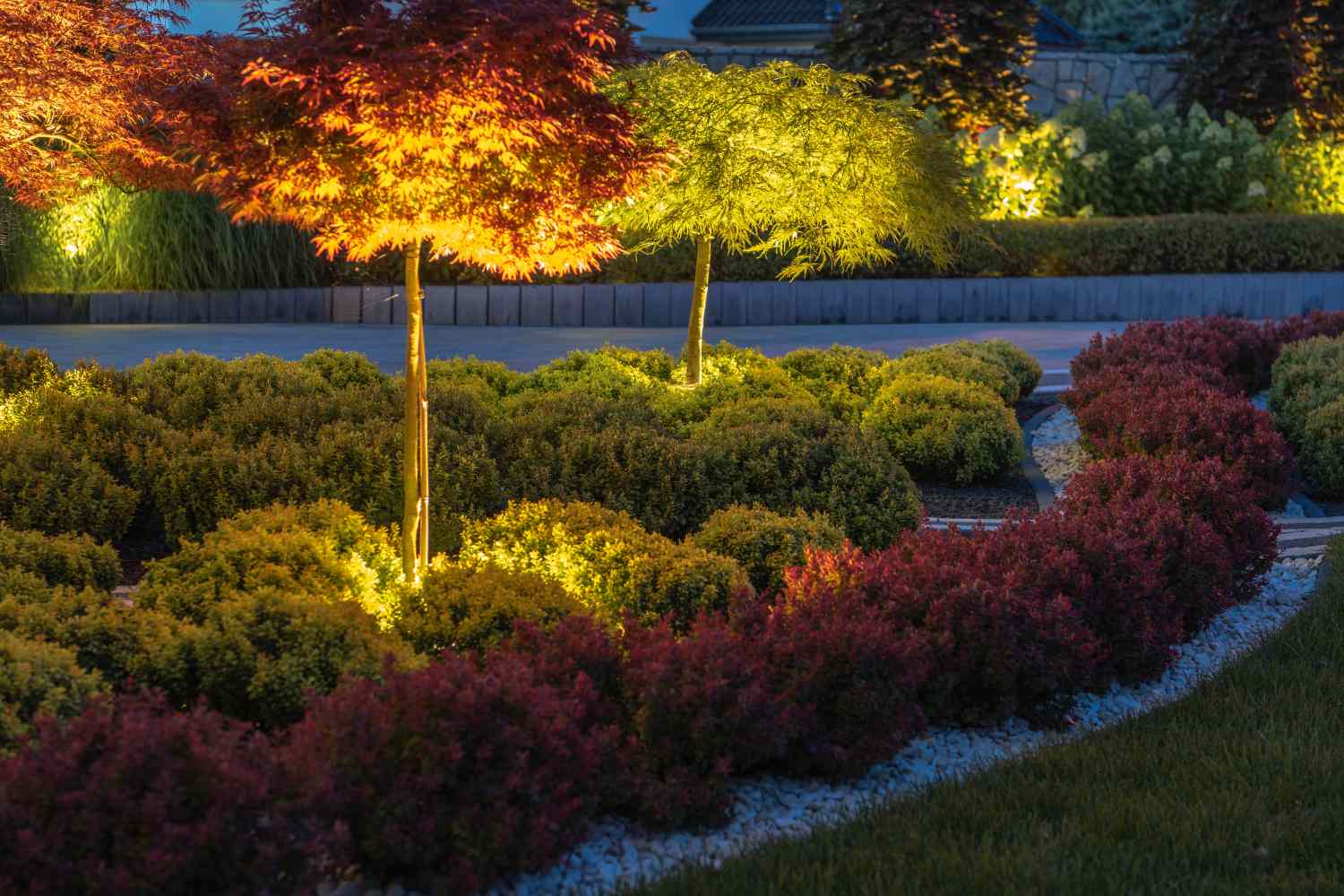
The flame chamber sits at the top and takes the direct heat. Cheap stamped metal warps or burns through quickly. Look for cast aluminum, thick steel, or borosilicate glass. These materials handle thermal shock better and resist the soot buildup that clogs small openings. If the chamber is thin or flimsy, skip it.
The wick is the heart of the torch. Cotton wicks are standard, but check how they are secured. A loose wick burns unevenly and creates smoke. The fuel cap needs a tight seal to prevent evaporation and spills. If the cap feels loose or the threads are rough, fuel will leak or evaporate before you use it. Good caps use rubber gaskets or silicone seals.
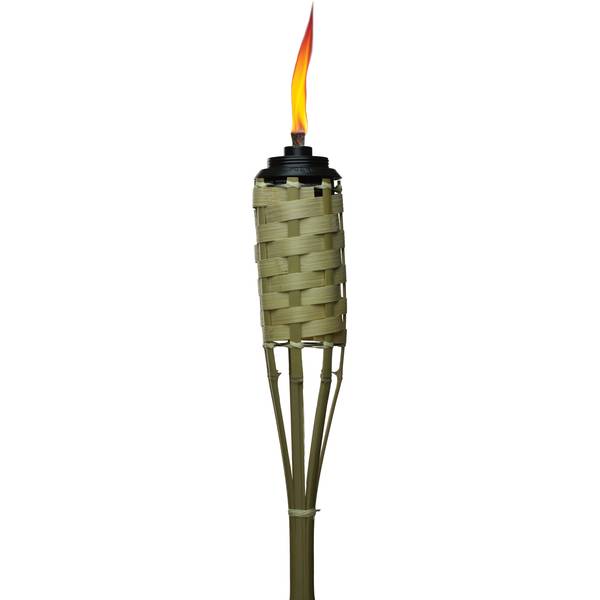
Torches tip over in wind. The connection between the pole and the base is the weak point. Check for a solid pin, screw, or welded joint. If the pole wiggles in the base, it will eventually snap off. For modern patios, look for weighted bases or those that accept sand/water filling. A heavy base keeps the torch stable without needing to be staked into the ground.
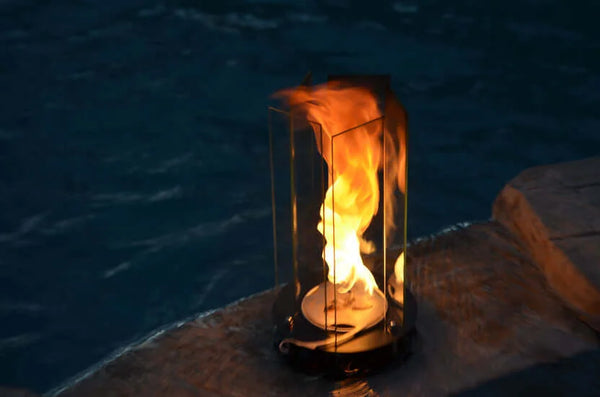
Outdoor lighting trends favor sleek, modern designs, but rust is still the enemy. Check if the metal is powder-coated, galvanized, or painted with an outdoor-grade finish. Touch up any scratches on the frame immediately. If the torch is made of untreated steel or iron, it will rust within a year of exposure to rain and humidity. Aluminum is a safer bet for low maintenance.
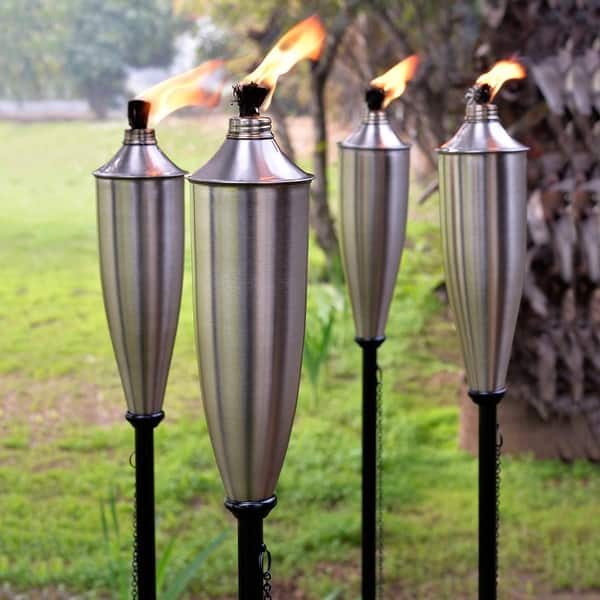
A good torch produces a steady, controlled flame. If the flame is too low, the wick might be clogged or the fuel mixture is off. If it is too high and flickers wildly, it wastes fuel and creates smoke. Check that the torch has a wind guard or a design that channels the flame inward. This keeps the light focused on your patio and reduces the risk of accidental fires.


As an Amazon Associate, we may earn from qualifying purchases.
Plan for ownership costs
The sticker price of an outdoor torch is rarely the final cost. While a cheap bamboo or plastic torch might cost under $15, it often becomes a disposable item that needs replacing every few months. A proper steel or heavy-glass torch lasts for years, but it requires a different kind of budgeting for fuel, wicks, and occasional repairs.
Fuel and consumables
Real torches burn fuel. Whether you use citronella oil, paraffin, or propane, the ongoing cost adds up quickly. A standard 16-ounce bottle of citronella oil lasts about 4-6 hours. If you run your torches for four hours a night, three times a week, you will burn through roughly two bottles a month. That’s $10-$20 monthly, or $120-$240 a year. Cheap torches often have inefficient wicks that burn fuel faster than well-designed ones, making the "cheap" option more expensive over time.
Maintenance surprises
Soot buildup is the silent cost of ownership. Even with clean fuel, torches produce soot that clogs the chimney and dims the flame. You will need to clean the interior of the torch every few weeks. This means buying a torch cleaner brush or using a wire coat hanger. If you have glass torches, a single drop can shatter the bowl, costing more than the original torch. Steel torches dent but keep burning.
When cheap stops being cheap
A $10 torch that breaks or burns out in a season costs more per hour of use than a $50 torch that lasts five years. Look for torches with replaceable wicks and durable bowls. If the torch is welded shut or made of thin, flimsy metal, it’s a temporary solution. For modern patio entertaining, invest in a torch that can handle the soot and the wind without falling apart.

As an Amazon Associate, we may earn from qualifying purchases.
Outdoor torches: what to check next
Choosing the right outdoor torch involves balancing light output, fuel type, and weather resistance. Here are answers to the most common questions about patio lighting.
How many lumens is a good torch?
For ambient patio lighting, most traditional tiki torches produce between 150 and 500 lumens, which is sufficient for dining areas and pathways. If you need brighter illumination for safety or tasks, look for LED torches in the 500–1,000 lumen range. Avoid exceeding 1,000 lumens for social spaces, as the glare can disrupt conversation and ruin the cozy atmosphere you’re trying to create.
Do citronella torches actually repel mosquitoes?
Yes, but with a caveat. Citronella torches work best when used as part of a layered defense strategy rather than a standalone solution. The burning citronella oil creates a scent barrier that masks the carbon dioxide humans emit, making it harder for mosquitoes to locate you. For best results, place torches around the perimeter of your seating area rather than in the center. Products like the TIKI brand torches are popular because they burn steadily and release the oil consistently over several hours.
What is the difference between tiki torches and flameless LED torches?
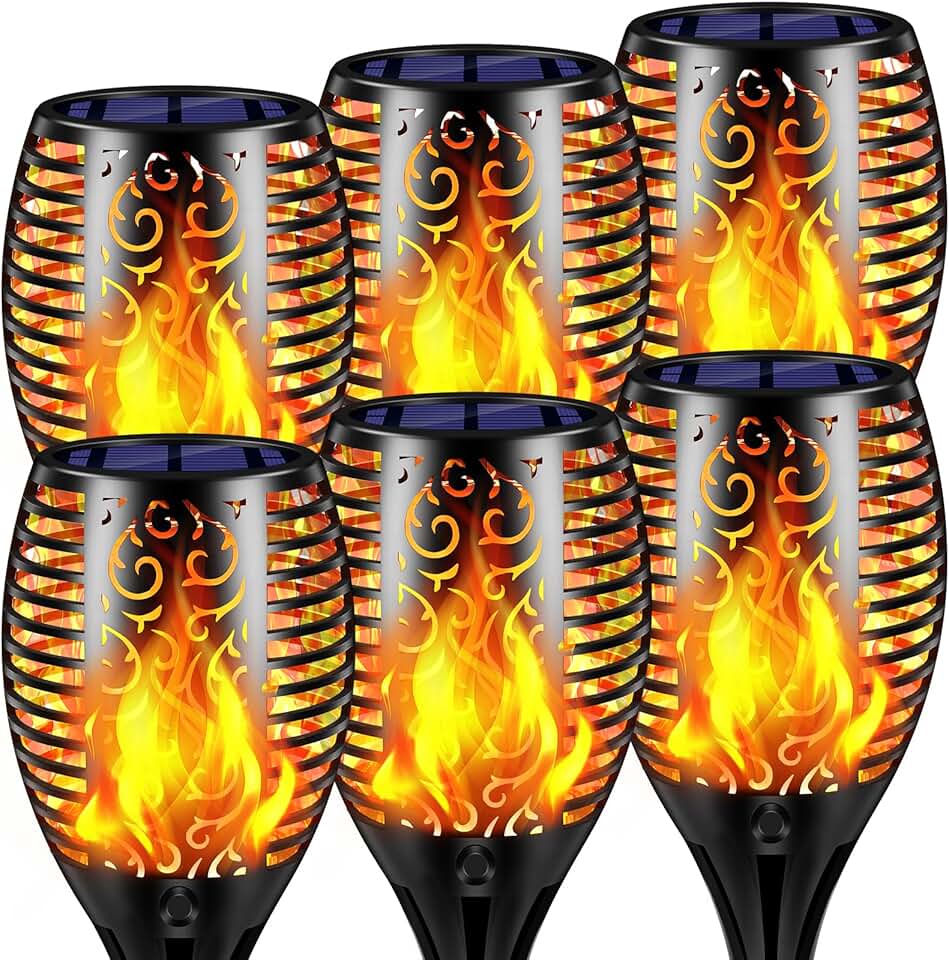
The main difference lies in the trade-off between ambiance and convenience. Real tiki torches provide a flickering, warm flame that many find more relaxing and visually appealing, but they require fuel refills, soot cleaning, and are vulnerable to wind. Flameless LED torches offer consistent brightness, are windproof, and require no maintenance, but they lack the organic movement of real fire. Many homeowners choose LED torches for high-traffic areas and real torches for accent lighting near dining tables.
Are outdoor torches safe to use on wooden decks?
Safety depends on the torch design. Traditional torches with open flames should never be placed directly on wooden surfaces without a sturdy, heat-resistant base or stand. Look for torches with wide, stable bases that prevent tipping. Flameless LED torches are inherently safer for decks and patios since they generate no heat. If you use real fuel torches, keep them at least three feet away from overhanging branches, curtains, or any flammable materials.
No comments yet. Be the first to share your thoughts!