
Outdoor torches budget
Picking the right outdoor torch doesn’t require a premium price tag, but it does demand a clear view of what you’re paying for. At the lower end of the market, you’ll find basic steel or bamboo designs that prioritize function over form. These are often heavier, more prone to rust, and may wick fuel inefficiently, leading to shorter burn times or uneven flames. The trade-off is immediate cost savings, but you may find yourself replacing them every season.
Mid-range options, typically between $20 and $50 per torch, offer a better balance of durability and aesthetics. Brands like TIKI dominate this space with their signature glass hurricane shades and treated bamboo handles. These torches are engineered for consistent burning and often include citronella-infused fuel compatibility, which adds a layer of pest control without the chemical smell of cheaper sprays. The glass shades also help protect the flame from wind, a critical factor for outdoor comfort.
When shopping, look for concrete features rather than abstract claims. A thick steel base prevents tipping, while a high-quality wick ensures the fuel burns cleanly rather than smoking. Avoid torches with thin, flimsy handles or clear plastic shades, which crack under UV exposure. By focusing on build quality and fuel efficiency, you can find a torch that lasts for years without breaking the bank.
Shortlist real options
Comparing outdoor torches requires looking past marketing claims. The market splits between traditional flame torches that rely on citronella fuel and solar electric options that mimic the glow without the smoke. Your choice depends on whether you prioritize bug protection or ambient lighting.
TIKI Brand Pineapple Paradise Torch
TIKI remains the standard for traditional torches. Their Pineapple Paradise model features a glass reservoir and a durable metal frame. It is widely available and frequently reviewed, making it a safe baseline for most patios. The design allows for easy refilling with standard citronella fuel. While the flame is steady, it does not offer the dramatic wind resistance of specialized vortex designs. It is best for calm evenings where consistent bug repellent is the priority.
Halofire Tornado Fire Torch
Halofire torches use a vortex design to create a more intense flame. This airflow system helps the torch burn cleaner and resist wind better than standard tiki torches. The larger flame provides more heat and a stronger citronella scent dispersion. This makes it a superior choice for larger yards or breezy decks. The trade-off is that these torches consume fuel faster and require more careful handling due to the higher flame temperature.
IkeeRuic Solar Torch Light
For those who want the look of a torch without the fuel cost, solar options like the IkeeRuic model are popular. These lights charge during the day and auto-illuminate at dusk. They are completely waterproof and require no maintenance beyond occasional cleaning of the solar panel. However, they do not repel insects. They are purely decorative and best for pathways or garden borders where lighting is needed but bug control is not.
Comparison Table
| Brand | Type | Key Feature | Best For |
|---|---|---|---|
| TIKI | Fuel Torch | Standard citronella burn | Calm patios, easy refills |
| Halofire | Vortex Torch | Wind-resistant flame | Breezy decks, large yards |
| IkeeRuic | Solar Electric | No fuel, auto-on | Pathways, decorative lighting |
We recommend starting with TIKI for general use. If you live in a windy area, upgrade to Halofire. For purely aesthetic needs, solar torches offer a zero-maintenance alternative.
Inspect the expensive parts
Most torch failures happen in the hidden joints and metal fittings, not the glass. A cracked glass reservoir is an easy replacement, but a corroded brass joint or a warped bamboo shaft can ruin the entire unit. Treat these expensive failure points like the engine of a car; if you miss a leak or a loose bolt, the whole system breaks down under pressure.
Check the mounting hardware
The pole-to-base connection takes the most physical stress. Look for rust on the screws or bolts that secure the torch head to the pole. If the metal is pitted or the threads are stripped, the torch will wobble in the wind, eventually snapping the glass reservoir. Tighten any loose fittings and apply a marine-grade grease to the threads to prevent future corrosion, especially if you live near the coast.
Inspect the reservoir seals
Glass torches rely on a gasket or seal at the base of the reservoir to keep fuel from leaking into the pole. Remove the glass and check this seal for cracks or brittleness. A failed seal turns your torch into a slow fire hazard, dripping fuel onto your patio stones and deck. If the seal is hard or crumbling, replace it before you even think about lighting the wick.
Examine the bamboo or wood shaft
Natural bamboo and wood are prone to splitting, particularly at the joints where the torch head attaches. Look for hairline cracks that could widen during a storm. If the shaft is split, wind can act like a wedge, splitting the wood further until the torch head detaches. Sand down minor splinters and apply a waterproof sealant to extend the life of the shaft, but replace any shaft that shows significant structural damage.
Test the wick and burner assembly
The wick is the heart of the torch, but the burner assembly is the expensive part that holds it. Check for carbon buildup around the burner base, which can restrict airflow and cause soot to blacken your glass. Clean the burner with a wire brush and ensure the wick is trimmed to the correct height. A clogged burner not only looks bad but can also cause the flame to flicker dangerously, increasing the risk of tipping.
Plan for ownership costs
2026 guide: Best Outdoor Torches for Smart Patio Lighting & Sustainable Backyard Fire Bowls works best when the purchase path is explicit. Verify the source, compare the offer against real alternatives, check the total cost, and confirm what happens after payment before you decide. After each comparison, write down the one risk that would change your mind. If the seller, condition, support, warranty, shipping, or upkeep still feels uncertain, resolve that question before moving to checkout.
The simplest way to use this section is to verify the seller, compare the total cost, and resolve the biggest risk before you commit.
Outdoor torches: what to check next
We’ve gathered the most common questions readers ask before buying outdoor torches and smart patio lighting. These answers cover bug control, brand comparisons, and lighting quality to help you pick the right setup.
Helpful gear
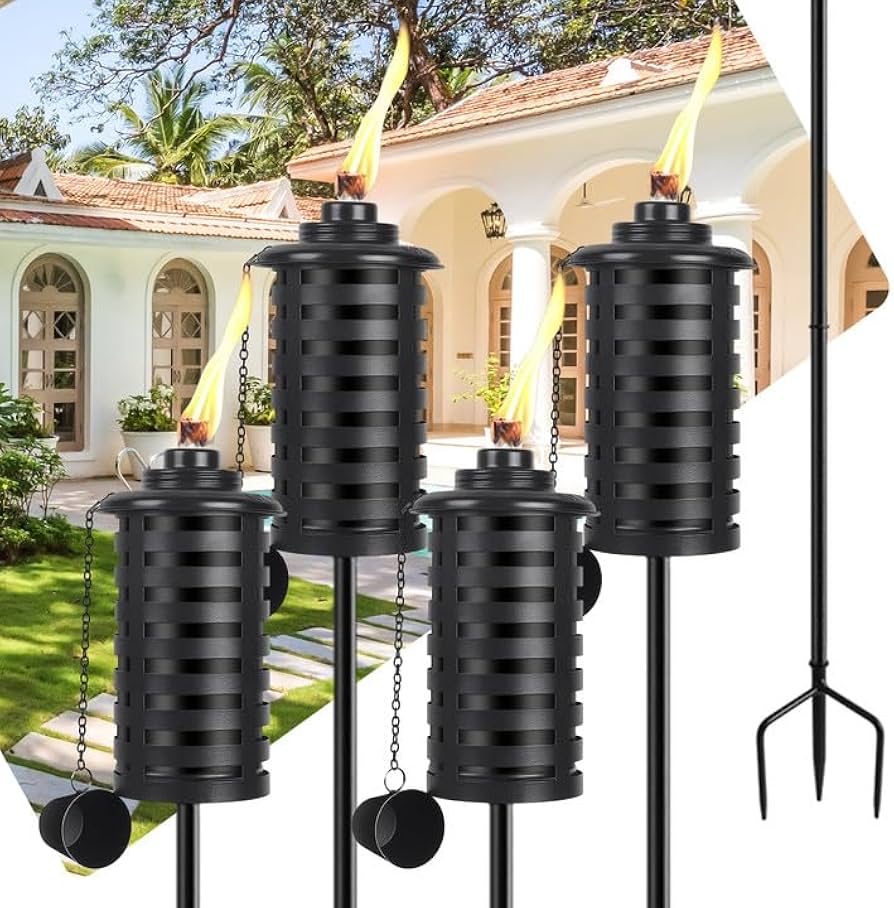
Use these product recommendations as a starting point, then choose the size, material, and price point that fit how you actually use the gear.

As an Amazon Associate, we may earn from qualifying purchases.
No comments yet. Be the first to share your thoughts!