
Outdoor torches budget
Price usually tells you about the materials more than the flame. You can find functional bamboo and steel torches for under $20, but they often suffer from rusted caps or brittle handles after one season. Spending $30 to $50 gets you galvanized steel or thick aluminum that survives rain and wind without warping. The extra cost buys a secure wick holder and a fuel reservoir that doesn’t leak.
The fuel tradeoff is where most budget torches fail. Cheap models often require standard kerosene, which can smell harsh and leave soot on your patio furniture. Higher-end options, like those from HaloFire, use cleaner-burning citronella or specialized fuels that reduce smoke and keep the flame steady. Always check the fuel type before buying; switching fuels mid-season can clog cheap wick systems.
For a balanced setup, pick three to five mid-range torches for your main seating area and fill in the perimeter with budget-friendly bamboo stakes. This approach keeps the visual focus on the fire while maintaining a mosquito barrier around the edges. Avoid buying the cheapest bulk packs online; the glass chimera often cracks during shipping, and the metal stakes bend easily in hard soil.
Shortlist real options
Finding the right outdoor torch means balancing flame height, fuel type, and durability. The market has shifted from simple bamboo sticks to engineered glass and metal torches that burn cleaner and last longer. Below, we compare the strongest contenders based on build quality, fuel efficiency, and real-world performance.
We’ve prioritized brands that consistently rank high in customer reviews and offer reliable replacement parts. Whether you need a citronella-heavy option for bug season or a decorative glass torch for ambiance, these selections cover the most practical needs for modern backyards.
| Brand | Material | Primary Fuel | Best Use Case |
|---|---|---|---|
| TIKI | Glass & Metal | Citronella Oil | Classic ambiance & bug repellent |
| Halofire | Stainless Steel | Citronella Fuel/Propane | Clean burn & high heat output |
| Umbra | Ceramic/Glass | Citronella Oil | Modern decor & table settings |
| Sunnydaze | Bamboo & Glass | Citronella Oil | Budget-friendly pathway lighting |
TIKI: The Standard-Bearer
TIKI torches remain the most recognizable name in outdoor lighting. Their glass and metal construction offers a classic look that fits almost any backyard style. They burn citronella oil effectively, providing a steady flame that helps deter mosquitoes without excessive smoke. While they require regular wick trimming, their widespread availability makes them easy to maintain.
Halofire: Modern Performance
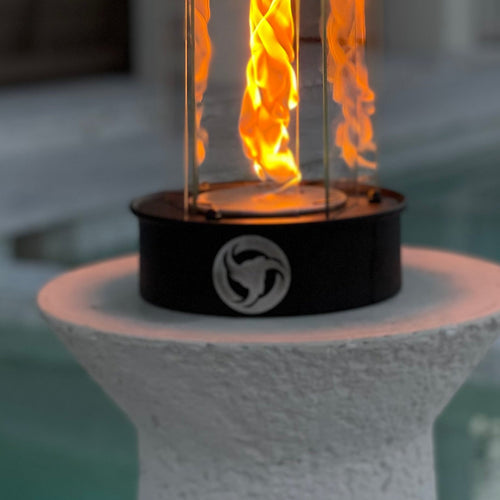
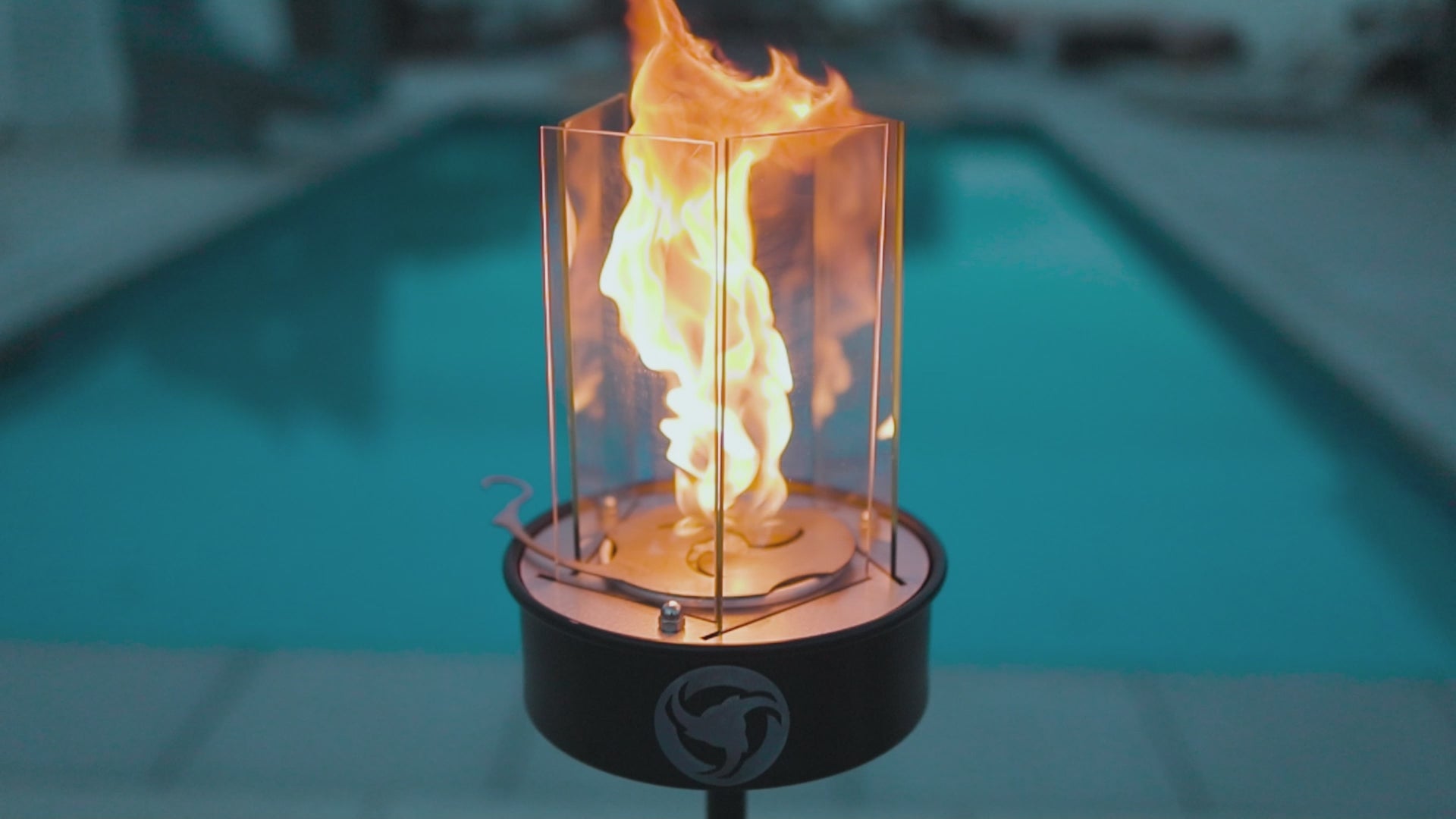
Halofire has gained traction for its "tornado" flame design and clean-burning fuels. Their stainless steel torches are built to withstand harsh weather and often use specialized citronella fuels that produce less soot than traditional oils. This makes them a strong choice for those who want high visibility and minimal cleanup.
Umbra: Design-Forward Options
For homeowners who view lighting as part of their decor, Umbra offers sleek, modern torches. Their designs often feature ceramic or frosted glass elements that diffuse light softly. These are ideal for patio tables or entryways where aesthetics matter as much as function. They typically use standard citronella oil refills.
Sunnydaze: Value Pick
Sunnydaze provides affordable bamboo and glass torches that deliver solid performance for the price. They are perfect for lining walkways or filling large spaces where you need multiple light sources without a heavy investment. While the materials are lighter than premium brands, they hold up well for seasonal use.
Inspect the expensive parts
Outdoor torches look simple, but the failure points are expensive. A cracked bowl or a rusted base costs more than the torch itself. Skip the cosmetic scratches and check the structural integrity. Here is where the money goes when things break.
Thermal shock kills ceramic bowls first. Fill the bowl with water and inspect the rim and interior under bright light. Hairline cracks often start at the base where the heat concentrates. If you see a thin line, replace the bowl immediately. Water leaking through a crack ruins the internal wick and rusts the metal stand from the inside out.
The wick holder is the most worn component. Look for heavy corrosion where the metal meets the ceramic. If the holder is seized, you will need to replace the entire stand. Check the base plate for rust holes. A compromised base means the torch will tip in wind, creating a fire hazard. Treat any surface rust with oil immediately to prevent structural failure.
Not all torches accept standard kerosene. Some modern designs, like the Halofire Tornado, use specific citronella blends that burn cleaner. Check the manufacturer label for fuel requirements. Using the wrong fuel can degrade the wick material and leave soot that clogs the air intake. Ensure the fuel cap or seal is intact; a loose seal causes evaporation and inconsistent flame height.
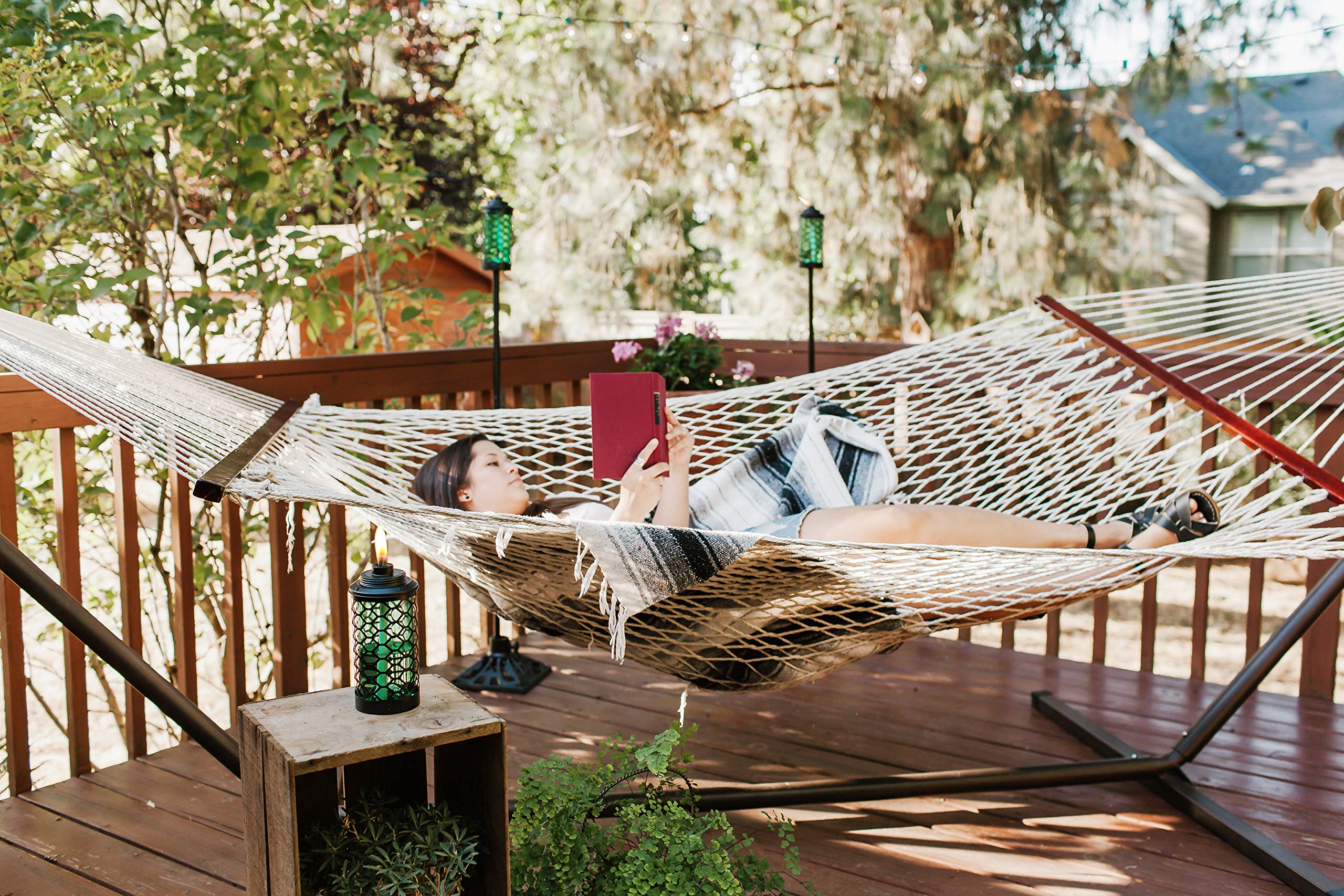

As an Amazon Associate, we may earn from qualifying purchases.
A cracked bowl is a total loss. A rusted stand is a repair. Focus your budget on high-quality ceramic or cast iron bases that resist thermal shock. Regular inspection of the wick and seal extends the life of the torch significantly.
Ownership costs: when a cheap buy stops being cheap
The initial price tag on tiki torches is only the first expense. Over a season, the real cost comes from fuel consumption and replacement parts. A standard 18-inch torch uses about 4–6 ounces of citronella fuel per night. If you run three torches for six hours nightly, you’ll burn through roughly 10–18 ounces per week. At $15–$20 per gallon, that’s $1–$2 per week in fuel, or $50–$100 for a summer season. Cheaper torches often have wider wicks that burn fuel faster, increasing this cost.
Maintenance is the second hidden expense. Bamboo handles rot and crack after one or two seasons, especially if left outside in rain. Metal stands rust, and glass chimneys break easily during storms. If you buy the cheapest bamboo options, you may need to replace the entire torch every year. Higher-quality bamboo or metal torches last three to five years, spreading the cost over time. The metal stand alone can cost $20–$40, which is often more than the torch itself.
Some modern torches, like the Halofire Tornado Fire Torches, use no-smoke citronella fuels that burn cleaner and last longer. This reduces soot buildup on chimneys and extends the life of the torch. While the fuel might be slightly more expensive per ounce, the longer burn time and reduced maintenance can make it cheaper overall. Always check the fuel type compatibility before buying.


As an Amazon Associate, we may earn from qualifying purchases.
Outdoor torches: what to check next
We get asked the same practical questions before people commit to buying outdoor torches. Here are the honest answers to help you decide what fits your backyard.
What brand of torch is the best?
TIKI is widely considered the industry standard for traditional bamboo-style torches, offering a reliable balance of flame height and fuel efficiency. For modern aesthetics, brands like Sunnydaze Decor and BirdRock Home provide stylish glass and metal options that integrate well with contemporary fire bowl setups.
Do tiki torches actually work to repel mosquitoes?
Yes, but with a caveat. Tiki torches work best when using citronella or lemongrass-based fuels, which mask the carbon dioxide you exhale. However, they only protect a small radius around the flame—usually about 10 feet. They are best used as part of a layered defense rather than a standalone solution.
Which brand is best for torch light?
If your goal is illumination rather than just ambiance, look for torches with wide, open glass bowls like the TIKI Pineapple Paradise series. These designs disperse light further than narrow bamboo tubes. For brighter, more focused light, consider solar-powered LED torches that mimic the flicker of a flame without the smoke.
What torches does the military use?
The military does not use decorative tiki torches. They rely on specialized flame-throwing equipment or tactical lighting systems for operational purposes. For civilian backyard use, stick to products designed for safety and home decor, such as those from Halofire or TIKI Brand, which prioritize clean-burning fuels and stable bases.
No comments yet. Be the first to share your thoughts!