
Outdoor torches budget
Setting a realistic budget for outdoor torches requires balancing material durability against performance. The market generally splits into two tiers: basic bamboo and metal options under $20, and premium engineered torches that exceed $50. While entry-level torches offer immediate ambiance, they often sacrifice longevity and wind resistance.
For casual users, standard bamboo torches are a low-risk starting point. Brands like Tiki Brand provide reliable entry-level options, though the bamboo itself is perishable. As one industry note suggests, filling a standard canister yields over 10 hours of burn time, but the bamboo stem may rot or crack after a single season of rain exposure. If you plan to leave torches out year-round, this tradeoff becomes expensive quickly.
Mid-range options, typically constructed from powder-coated steel or treated hardwoods, offer better wind resistance and a longer lifespan. These usually cost between $25 and $40 per torch. For larger patios, you might need multiple units to create a sufficient perimeter, which can push the total cost higher than expected.
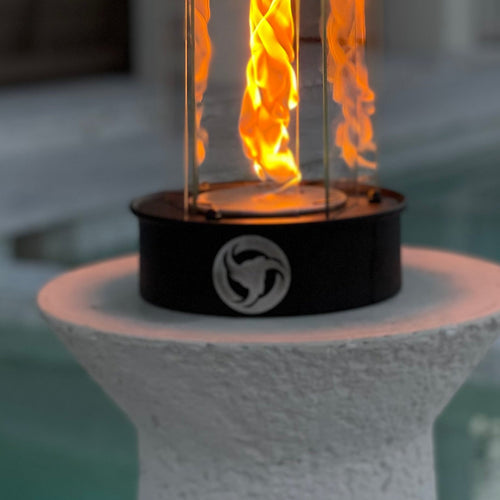
Premium torches from brands like HaloFire utilize vortex designs to improve fuel efficiency and flame stability. These often cost $50 or more. They are worth the investment if you live in a windy area or want torches that last several seasons without rusting.

As an Amazon Associate, we may earn from qualifying purchases.
Shortlist real options
Comparing the strongest best outdoor torches requires looking beyond brand recognition. While TIKI Brand remains the most recognized name in the space, other manufacturers like HaloFire have engineered specific features to address common pain points like wind resistance and burn time. This section compares top-tier options across key performance metrics to help you choose the right fixture for your patio’s layout and aesthetic.
The following table breaks down the differences between leading models. We focus on fuel type, flame height, and intended use case rather than speculative pricing, as market availability fluctuates.
| Brand | Model | Fuel Type | Max Flame Height | Best For |
|---|---|---|---|---|
| TIKI Brand | Pineapple Paradise Glass Table Torch | Citronella Oil | 12 inches | Tabletop ambiance and small patios |
| TIKI Brand | Reunion Edition Torch | Paraffin/Citronella | 18 inches | Large yards and perimeter lighting |
| HaloFire | Tornado Fire Torch | Citronella Oil | 15 inches | Windy areas due to vortex design |
| Generic Bamboo | 150cm Bamboo Torch | Paraffin/Lamp Oil | Variable (12-24 inches) | Natural landscaping and budget setups |
TIKI Brand’s Pineapple Paradise torches are a staple for table settings. The glass enclosure contains the flame well, making them safe for dining areas where accidental bumps might occur. However, their smaller fuel capacity means you will need to refill them more frequently than taller, heavy-duty models. For larger spaces, the TIKI Reunion Edition offers a taller flame and greater burn time, acting as a perimeter guard rather than just a decorative accent.
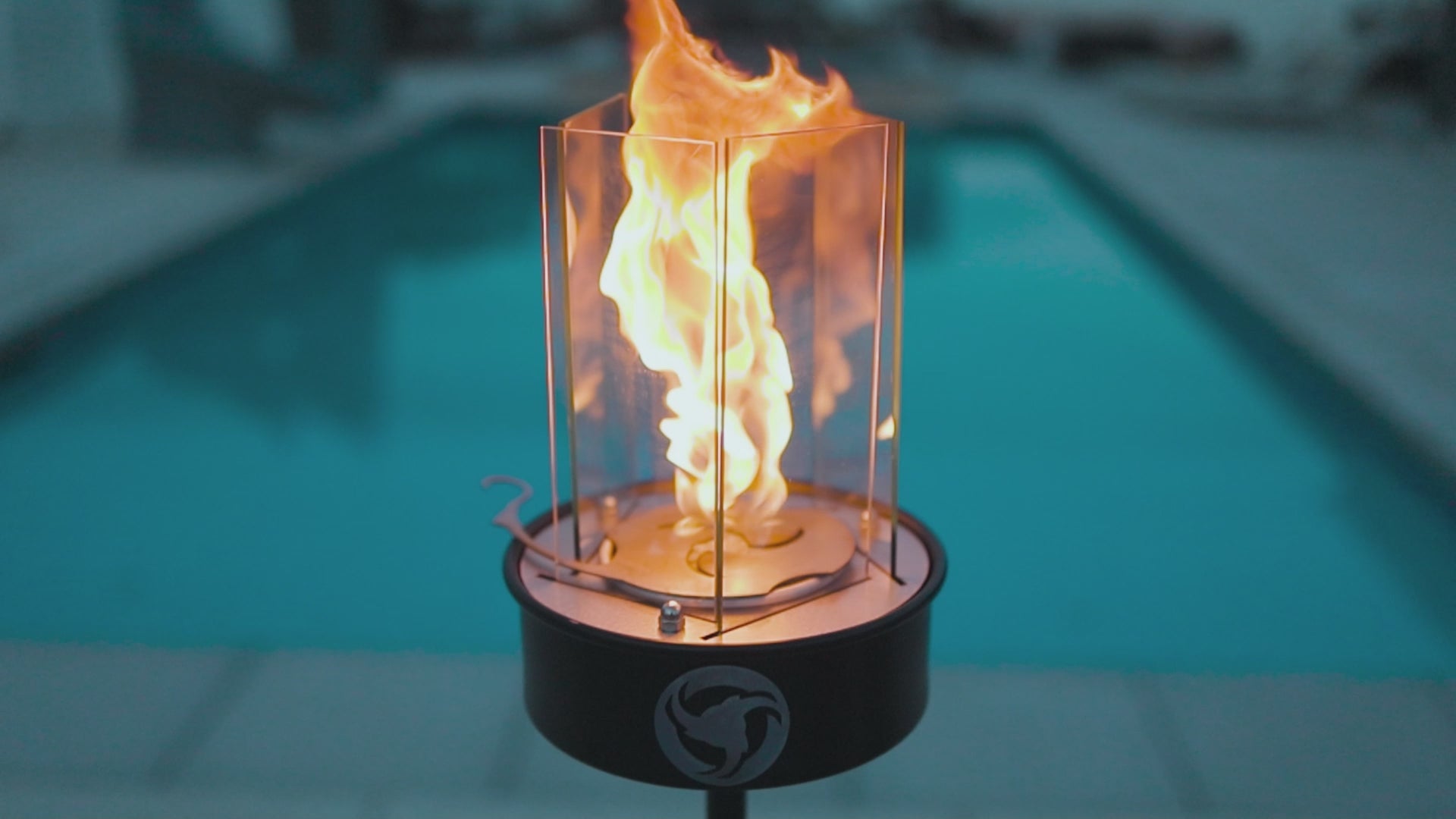
HaloFire distinguishes itself with its Tornado Fire Torch, which uses a vortex design to pull air through the flame. This engineering choice helps stabilize the fire in breezy conditions where standard torches might sputter or blow out. If your patio is exposed to consistent wind, this stability can be more valuable than raw flame height. The fuel consumption is comparable to standard tiki torches, but the efficiency of the burn often results in a cleaner, steadier light.
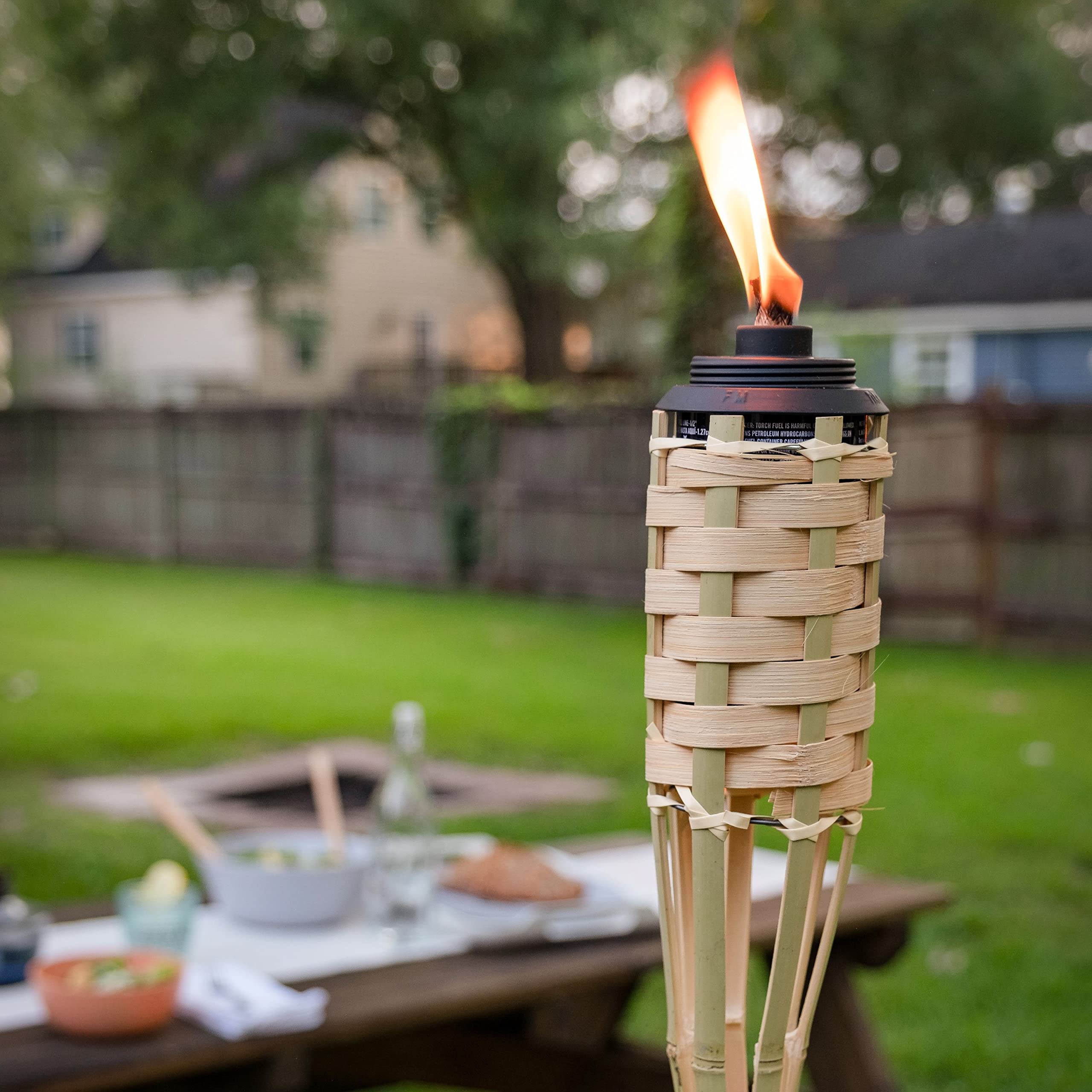
For those preferring a rustic aesthetic, generic bamboo torches offer significant flexibility. Typically sold in multi-packs, these torches allow you to line a fence or garden path with uniform height and style. While they lack the refined glasswork of premium brands, their simplicity makes them easy to replace if damaged. A fully filled bamboo torch can provide over 10 hours of burn time, making them efficient for long evening gatherings.
When selecting your best outdoor torches, consider the balance between ambiance and utility. Glass torches provide safety and refined lighting but require more frequent refilling. Bamboo and metal stakes offer durability and longer burn times but may lack the decorative polish of glass. Match the torch type to your primary activity—whether that is intimate dining or open-air entertaining.

As an Amazon Associate, we may earn from qualifying purchases.
Inspect the expensive parts
Most tiki torch failures are predictable. The flame goes out, the bamboo rots, or the fuel leaks. You can avoid these headaches by checking three specific areas before you light a match.
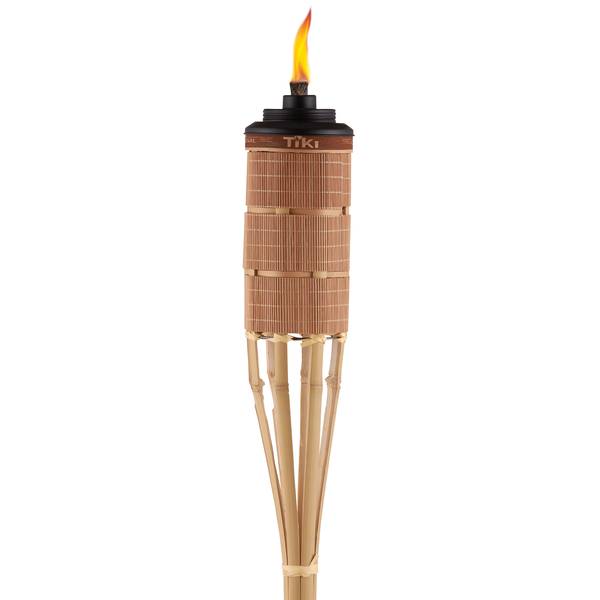
The wick is the heart of the torch. If it is charred black or frayed, it will sputter and drip fuel. Look for a clean, cotton wick that draws oil smoothly. If the burner cup is clogged with old soot, clean it with a wire brush or replace the torch head.
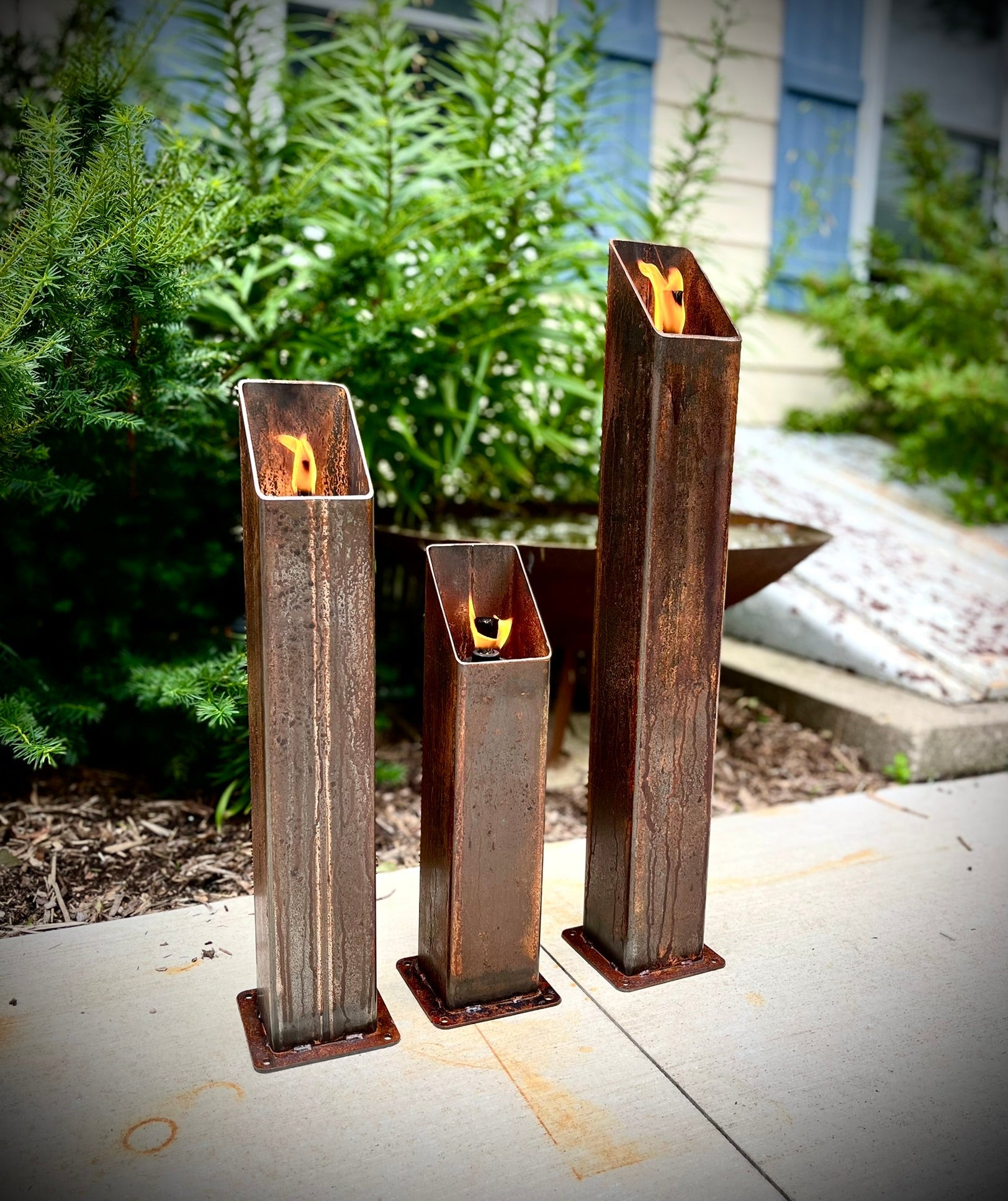
Bamboo is organic and will eventually rot. Check the bottom of the shaft where it meets the ground. If the wood is soft, spongy, or cracked, water has been trapped inside. These torches are not repairable; replace them to prevent collapse.
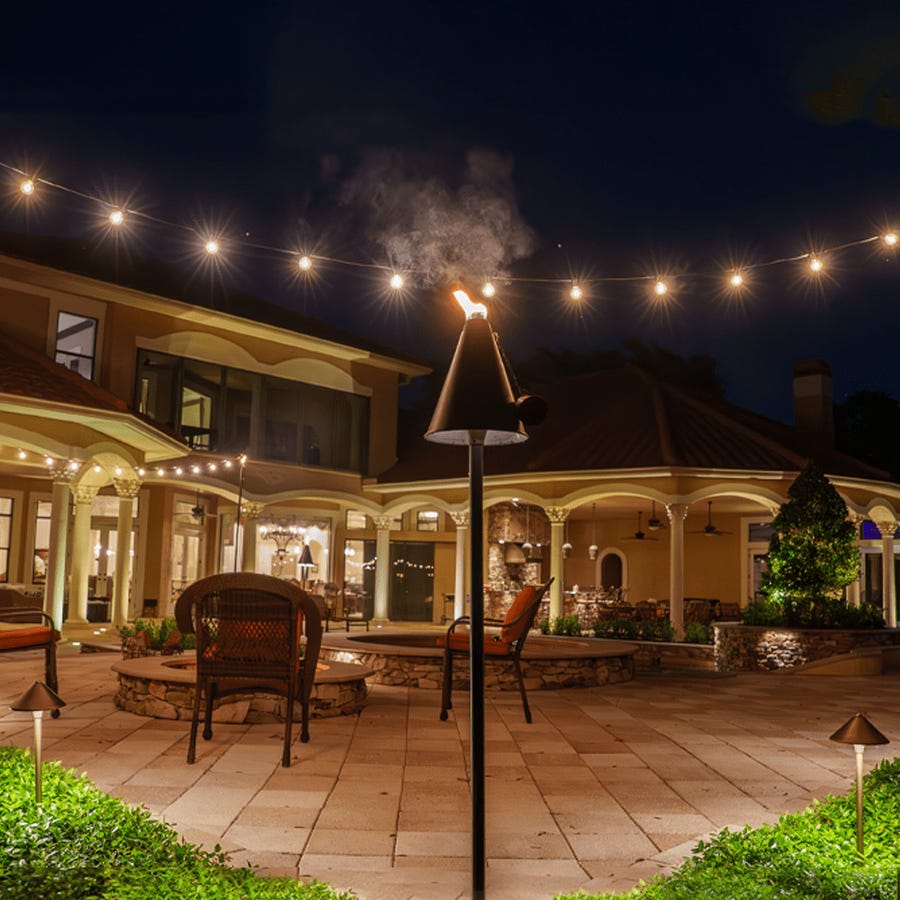
A leaking torch is a fire hazard. Fill the canister with water first to check for leaks before using expensive citronella oil. Tighten the cap firmly. If the seal is cracked or the cap is stripped, the torch will drip fuel onto your patio deck.
By focusing on these three points, you extend the life of your torches and keep your patio safe. Ignore them, and you will be buying replacements every season.
Plan for ownership costs
Buying a torch is the easy part; keeping it running is where the real math happens. Cheap bamboo or plastic models often look like a bargain until you factor in the recurring cost of fuel and the inevitable replacement of parts that break in the weather. A $15 torch that needs a new wick or canister every two weeks will cost more over a season than a $40 metal torch that lasts for years.
Fuel consumption varies by design. Standard tiki torches typically burn through a few ounces of citronella or paraffin oil per hour. If you run them for four hours a night, that is a significant amount of liquid over a summer. Brands like TIKI Brand offer specialized torch fuels that may burn cleaner or longer, but they often come at a premium compared to generic lamp oil. Calculate your monthly fuel spend before you buy the hardware.
Maintenance surprises often come from wind and rain. Bamboo torches can rot or crack if left exposed to constant moisture, while metal ones may rust if the finish chips. Cheap wicks burn unevenly, creating soot that stains your patio furniture or walls. Investing in a torch with a replaceable, high-quality wick and a corrosion-resistant body pays for itself by reducing the frequency of replacements.


As an Amazon Associate, we may earn from qualifying purchases.
When a cheap buy stops being cheap is usually when the first storm hits. If the flame goes out immediately or the bamboo splinters, you have wasted your time and money. Look for models with heavy bases and secure wick mechanisms. The goal is to find the balance between upfront cost and the total cost of ownership, which includes fuel, maintenance, and replacement frequency.
Outdoor torches: what to check next
Choosing the right outdoor torches involves balancing ambiance with practical performance. Before you buy, it helps to understand how these flames actually function in a real backyard setting and what to expect from the hardware.
No comments yet. Be the first to share your thoughts!