
Outdoor torches budget
Finding the right outdoor torches doesn't require a major investment, but the price point tells you a lot about durability and performance. Budget options generally fall between $10 and $25 for standard bamboo or basic metal torches. At this level, you are paying for immediate function rather than long-term resilience. The bamboo poles may splinter after a season of rain, and the metal stakes might bend if you hit a rock while staking them into hard soil. These are fine for casual patio use, but they lack the structural integrity for windy coastlines or high-traffic areas.
Mid-range torches, typically priced between $25 and $50, offer a significant leap in materials and design. This is where you find treated hardwoods, powder-coated steel, and more stable base weights. Brands like TIKI and HaloFire often occupy this space, engineering their products to handle real outdoor conditions better than generic alternatives. The vortex designs or refined airflow systems in this tier help the flame burn cleaner and resist wind gusts that would extinguish cheaper models. You are also more likely to find included accessories, such as citronella refills or protective covers.
Investing in the higher end of the budget ($50+) usually means buying for longevity and aesthetic detail. These torches often feature cast aluminum, bronze, or premium teak that withstands years of exposure without rusting or rotting. The hardware is heavier, preventing the torch from tipping over in a breeze. For homeowners who view their backyard as an extension of their living space, the extra cost buys peace of mind. You avoid the annual cycle of replacing bent stakes and splintered poles, making the initial outlay more economical over time.

As an Amazon Associate, we may earn from qualifying purchases.
Shortlist real options
Finding the right outdoor torch depends on whether you prioritize bug protection, flame stability, or pure aesthetic appeal. We have narrowed the field to four distinct options that dominate the market, ranging from classic bamboo designs to engineered vortex torches. Each serves a specific function in the backyard, and choosing between them comes down to your primary goal: repelling insects or enhancing ambiance.
TIKI Brand Pineapple Paradise Glass Torch
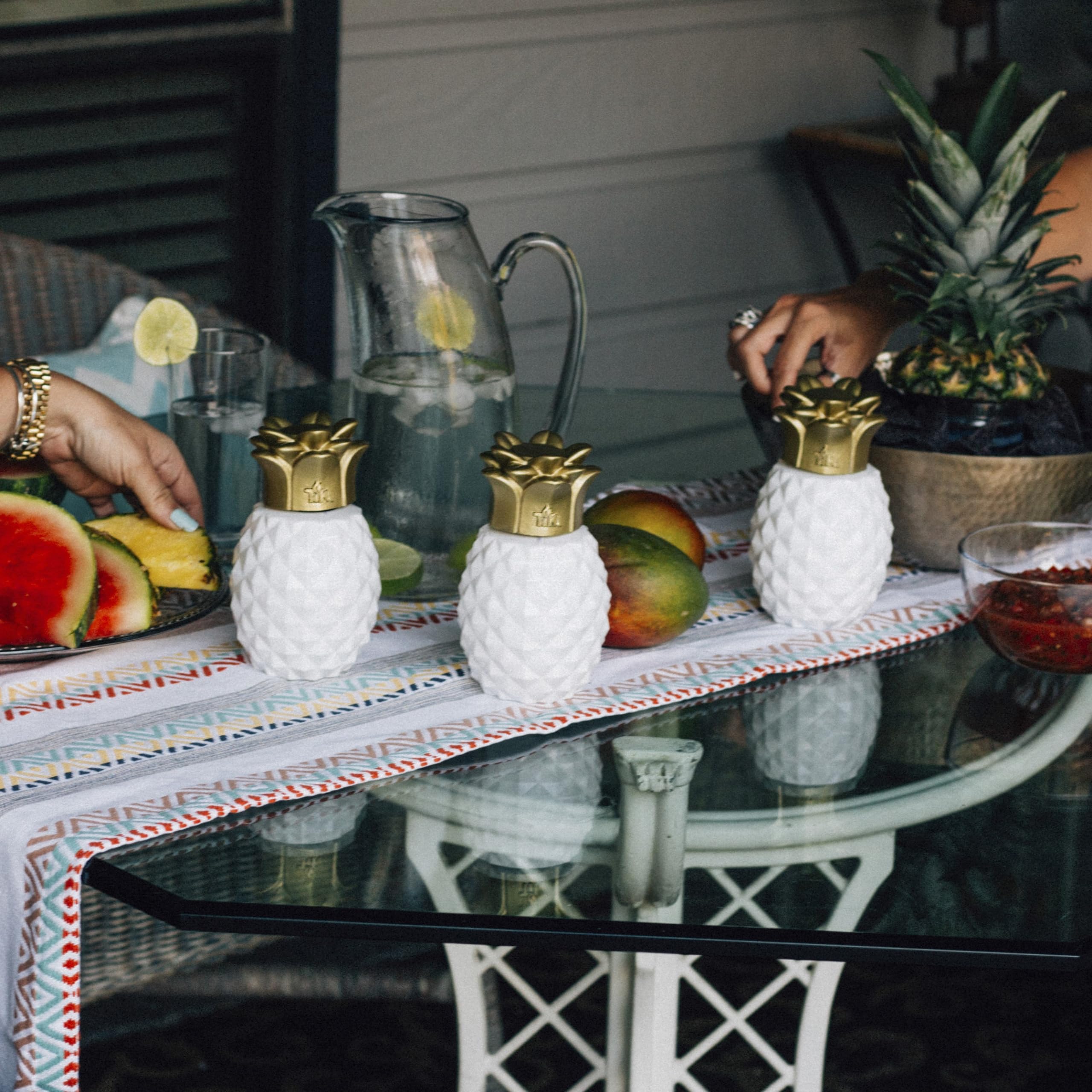
TIKI remains the gold standard for traditional citronella torches, and the Pineapple Paradise Glass Table Torch is a standout for patio dining. These torches combine a durable glass reservoir with a sleek white and gold finish that elevates the look of any outdoor table. Customers frequently praise their ability to keep mosquitoes at bay while adding a touch of elegance to evening gatherings. The glass design allows you to monitor fuel levels easily, ensuring your flame doesn't sputter out unexpectedly. This is the best choice for those who want a proven repellent that also looks refined.
HaloFire Tornado Fire Torch
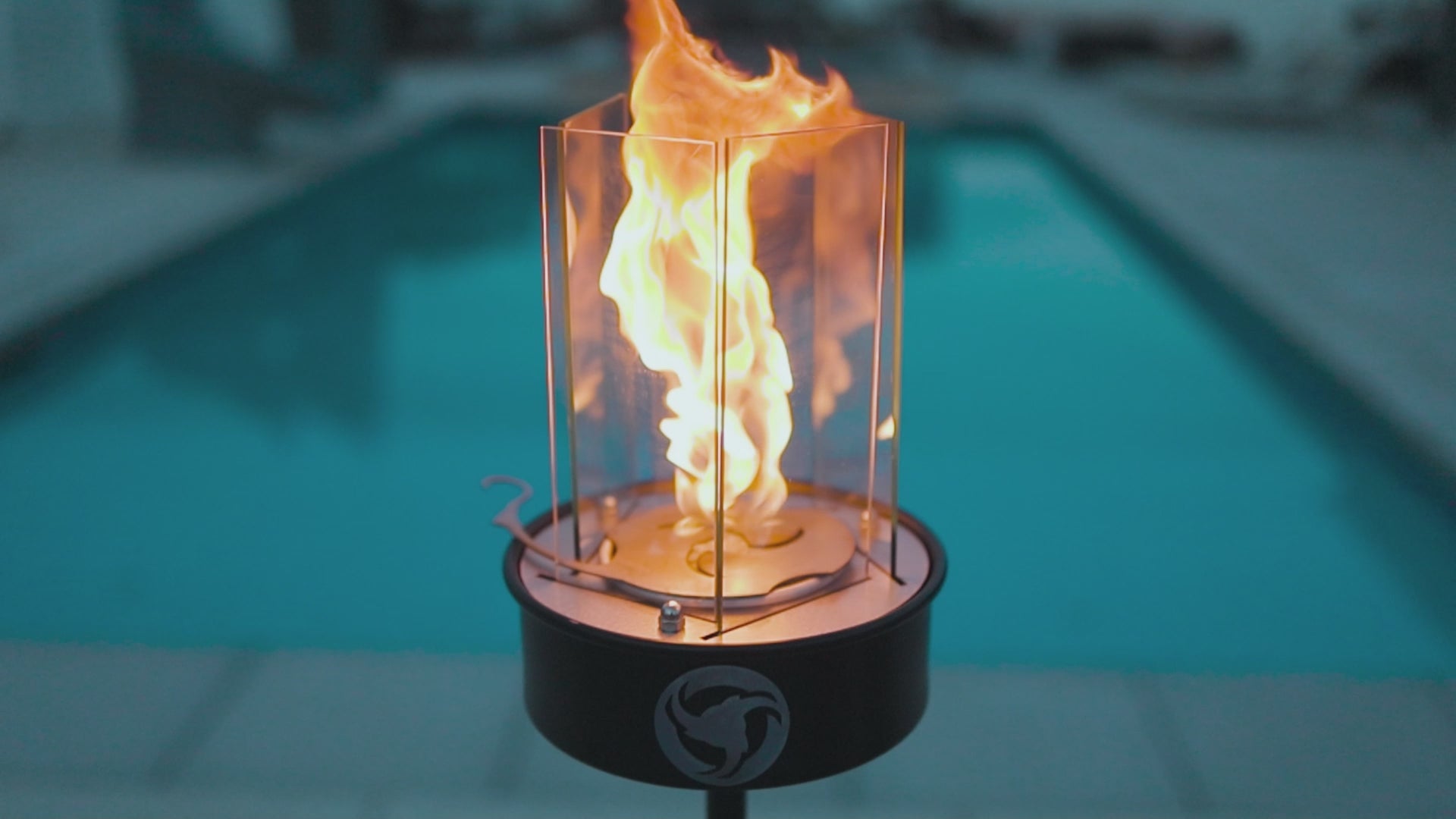
For areas with unpredictable wind, the HaloFire Tornado Fire Torch offers a significant engineering advantage. Its vortex design and precision airflow system create a self-cleaning flame that resists blowing out in breezy conditions. This isn't just a visual gimmick; the internal airflow helps burn fuel more efficiently, reducing soot and extending burn time. If you live in a windy coastal area or on an open patio, this torch provides the stability that standard bamboo models often lack. It is the top pick for performance in harsh weather.
IkeeRuic Solar Torch Light
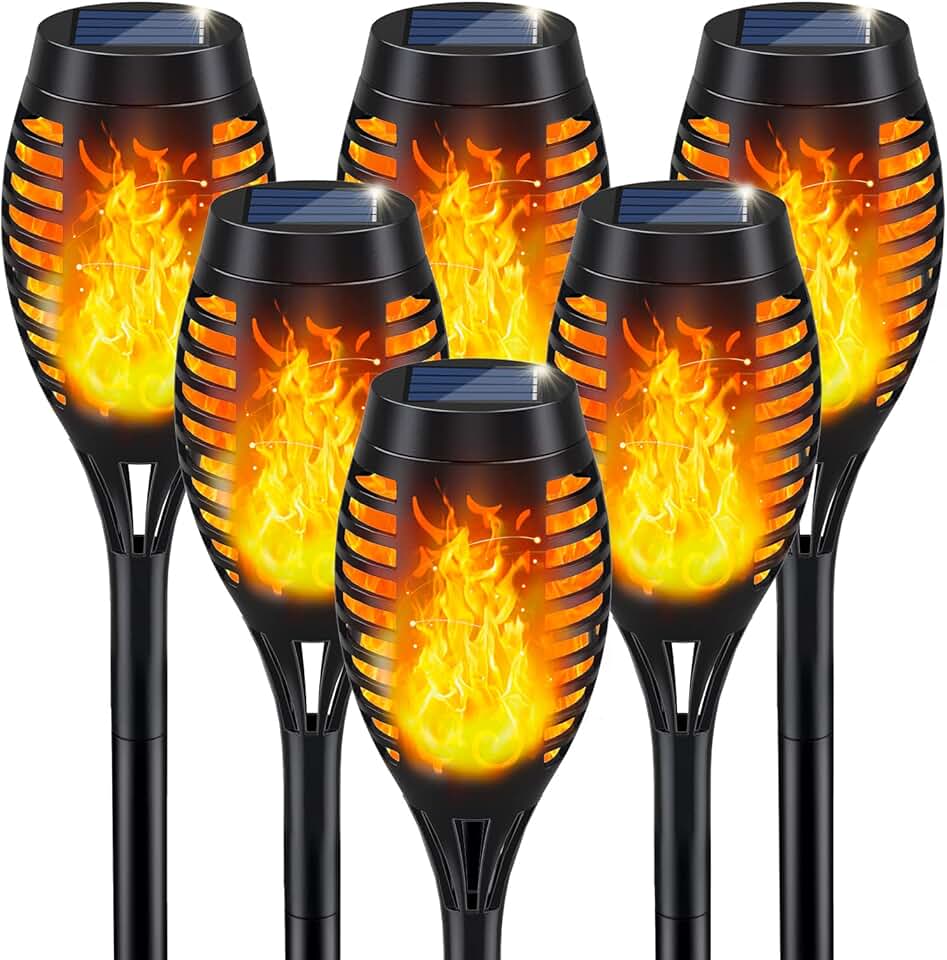
Not every outdoor torch needs to burn fuel, and the IkeeRuic Solar Torch Light proves that LED technology can still deliver atmospheric warmth. These bamboo-style torches charge during the day and automatically illuminate at dusk, providing a flickering flame effect without the hassle of refilling or maintenance. They are ideal for pathways, garden borders, or areas where open flames are restricted. While they don't repel bugs, they offer a zero-effort way to extend your outdoor lighting hours safely and sustainably.
Solo Bamboo Tiki Torch
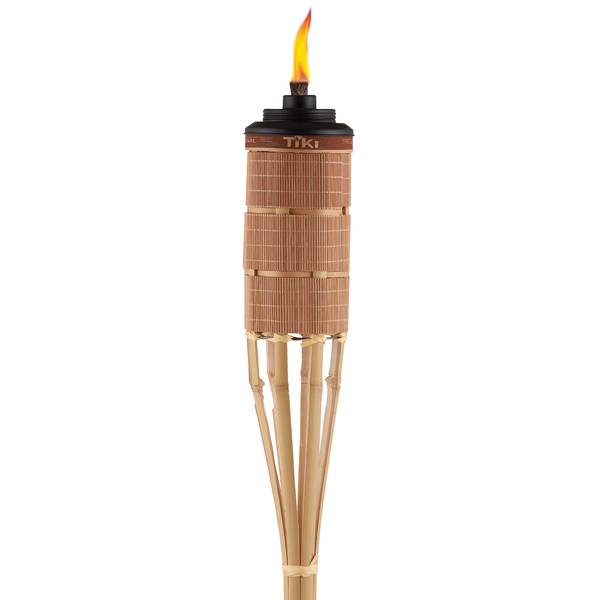
The Solo Bamboo Tiki Torch is the budget-friendly workhorse for large-scale landscaping. Often sold in multi-packs, these torches are perfect for lining long driveways or marking the perimeter of a yard. Made from weather-resistant bamboo, they offer a classic tropical look that blends seamlessly into gardens. While they may not have the refined finish of glass models or the wind resistance of vortex designs, they provide reliable, affordable coverage for large areas. This is the best option for bulk coverage on a tight budget.
Comparison Table
| Torch Model | Primary Benefit | Best Use Case | Fuel Type |
|---|---|---|---|
| TIKI Pineapple Paradise | Bug Repellent & Style | Patio Tables | Citronella Oil |
| HaloFire Tornado | Wind Resistance | Open/Breezy Patios | Standard Torch Fuel |
| IkeeRuic Solar | Zero Maintenance | Pathways & Borders | Solar Battery |
| Solo Bamboo | Bulk Coverage | Yard Perimeters | Standard Torch Fuel |

As an Amazon Associate, we may earn from qualifying purchases.
Inspect the expensive parts
Outdoor torches look simple, but a few specific components drive up replacement costs. Treating these parts like a car’s engine or plumbing helps you spot wear before it ruins the whole unit. Catching a cracked fuel reservoir or a corroded wick holder early saves you from buying an entirely new torch.
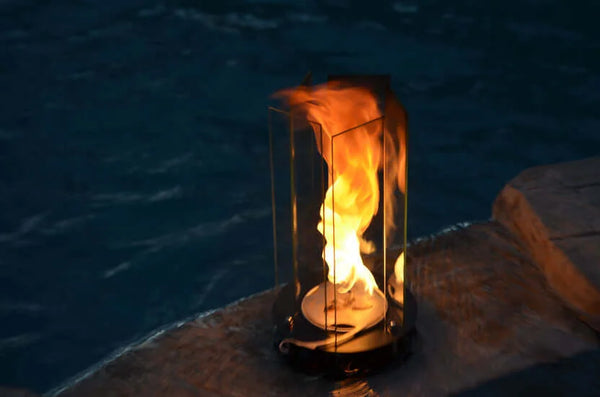
The bottom half of most torches holds the fuel. Look for hairline fractures near the base or where the metal meets the glass. Even a tiny leak wastes fuel and creates a fire hazard. If the reservoir feels brittle or shows discoloration, it is time to replace the bottom section.
This small metal piece connects the wick to the fuel. It is often made of brass or aluminum and sits in a high-heat zone. Check for rust, warping, or a loose fit. A damaged holder can cause the flame to flicker wildly or drip hot fuel onto your patio floor.
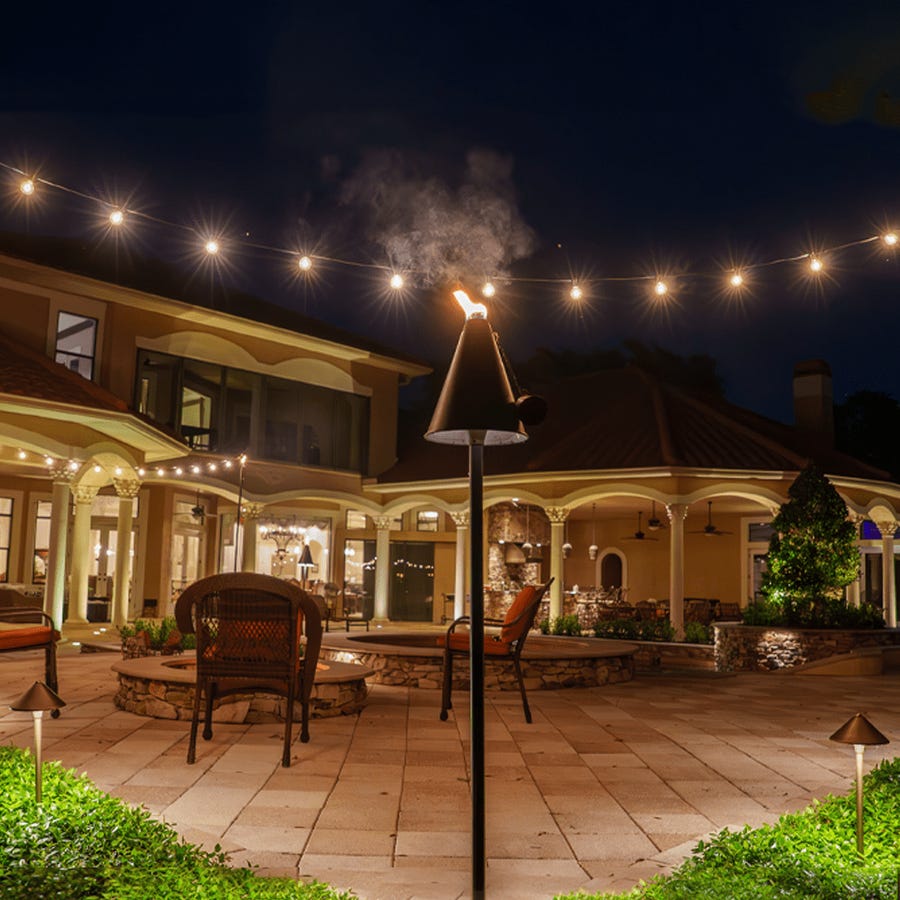
Steel poles rust from the inside out, especially near the base where water collects. Shake the torch gently; if the pole rattles or bends, the metal has thinned. Corrosion here compromises the torch’s ability to stand upright in wind, making it a safety risk.
The wick is a consumable part, but it also signals bigger issues. If the wick burns down unevenly or leaves a large carbon buildup on the holder, the fuel flow is likely too high or the wick material is low quality. Replace wicks regularly to keep the flame clean and efficient.
By focusing on these four areas, you extend the life of your outdoor lighting. Most failures start with a small crack or rust spot that grows over time. Regular checks keep your torches burning safely and looking good for years.
Plan for ownership costs
A cheap outdoor torch often costs more over time than a premium model. The initial price is just the entry fee; the real expense comes from fuel consumption, replacement parts, and maintenance. When you factor in these ongoing costs, the cheapest option can quickly become the most expensive.
Fuel consumption and efficiency
Not all torches burn fuel at the same rate. Standard bamboo torches with simple cotton wicks tend to burn through citronella oil faster than engineered metal torches with precision airflow systems. Brands like HaloFire use vortex designs that create a more efficient burn, meaning you buy less fuel over a season. If you light your torches nightly, this difference adds up significantly.
Maintenance and part replacements
Cheap torches often lack durable wicks or replaceable heads. When a bamboo shaft cracks or a wick burns down, you might have to replace the entire unit. Higher-quality torches offer replaceable heads and durable materials like stainless steel or treated bamboo. Check if the manufacturer sells spare parts before buying; if they don’t, you’re locked into a cycle of full replacements.
When a cheap buy stops being cheap
Consider the “total cost of ownership” over three years. A $20 torch that needs replacing every year costs $60. A $50 torch that lasts three years with minimal fuel waste costs $50. The premium torch also tends to perform better, keeping bugs away more effectively as noted by users of brands like TIKI Brand. Invest in durability and efficiency to avoid the recurring cost of cheap replacements.


As an Amazon Associate, we may earn from qualifying purchases.
Outdoor torches: what to check next
Choosing the right outdoor torch depends on whether you prioritize bug control, ambiance, or safety. The market offers distinct categories, from traditional fuel-burning tiki torches to solar-powered alternatives, each with specific trade-offs for your backyard.
What is the best outdoor torch?
The "best" torch balances flame stability with fuel efficiency. Brands like TIKI and HaloFire dominate because they engineer their torches to withstand wind better than generic bamboo options. HaloFire’s vortex design, for instance, uses precision airflow to keep the flame steady even in breezy conditions, making it a top choice for practical use over pure decoration.
Do tiki torches actually keep bugs away?
Yes, but only if you use citronella or lemongrass oil. Standard lamp oil provides light and ambiance but does little to deter mosquitoes. Citronella oil creates a scent barrier that masks the CO2 humans exhale, making it harder for bugs to locate you. For maximum effectiveness, position torches around the perimeter of your seating area rather than in the center.
What type of torch is best?
For lasting ambiance and low maintenance, solar torches are the most convenient. They require no fuel, no refilling, and no fire safety concerns. However, if you need intense, reliable light for evening gatherings, traditional fuel-burning torches with glass reservoirs offer a brighter, steadier flame that solar LEDs cannot match.
What are the best backyard torches?
Top picks often include weather-resistant bamboo tiki torches for a natural look, or glass table torches for patios. The TIKI Pineapple Paradise Glass Table Torch is frequently cited for its durability and aesthetic appeal. For larger yards, 6-foot bamboo torches provide the necessary height to create a bug-free zone around your outdoor furniture.
No comments yet. Be the first to share your thoughts!