

Budget-Friendly Outdoor Torches
When you are shopping for outdoor torches on a budget, you are usually trading material durability for lower upfront costs. The cheapest bamboo and rattan options often last only one or two seasons before the natural fibers rot or snap. If you want something that survives rain and wind without breaking the bank, look for torches that use steel stakes and glass or metal fuel reservoirs rather than plastic or untreated wood.
What to Expect at Different Price Points
Under $15 per unit, you will mostly find disposable-style bamboo torches. These are fine for a single summer party, but the fuel holders are often flimsy. Between $15 and $30, you can find sturdy bamboo or resin torches with better weight distribution and thicker glass jars. Above $30, the value shifts toward decorative designs or heavy-duty steel frames that resist bending and rust.
Best Budget Outdoor Torches
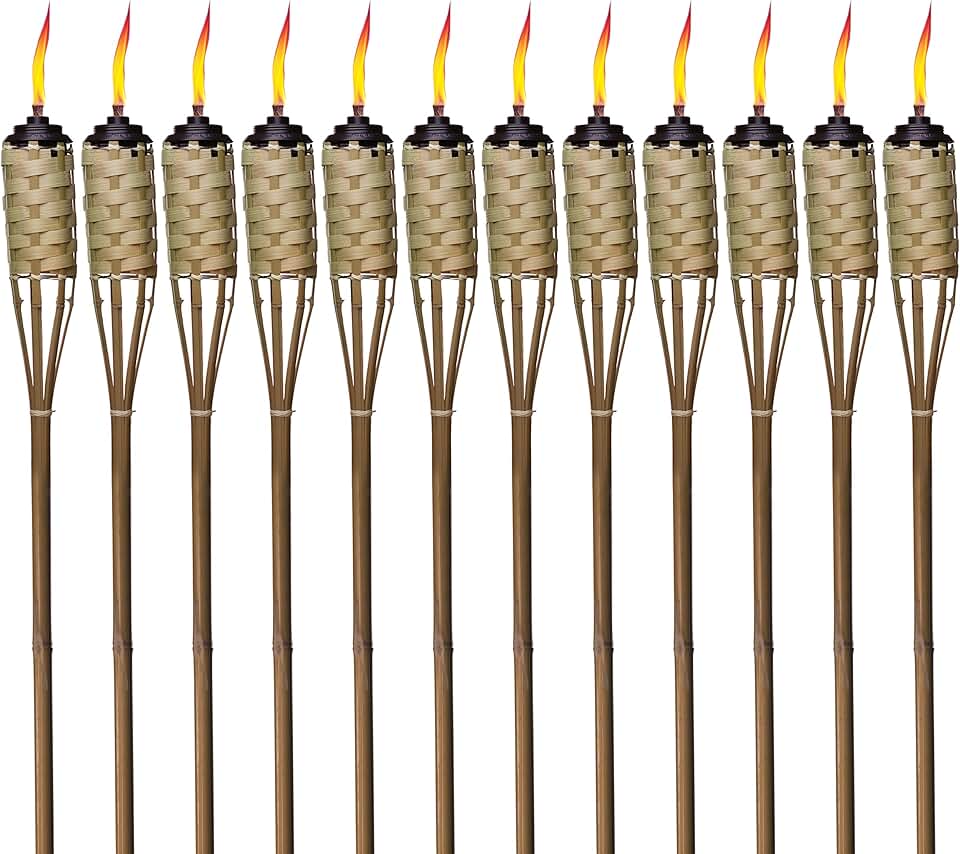

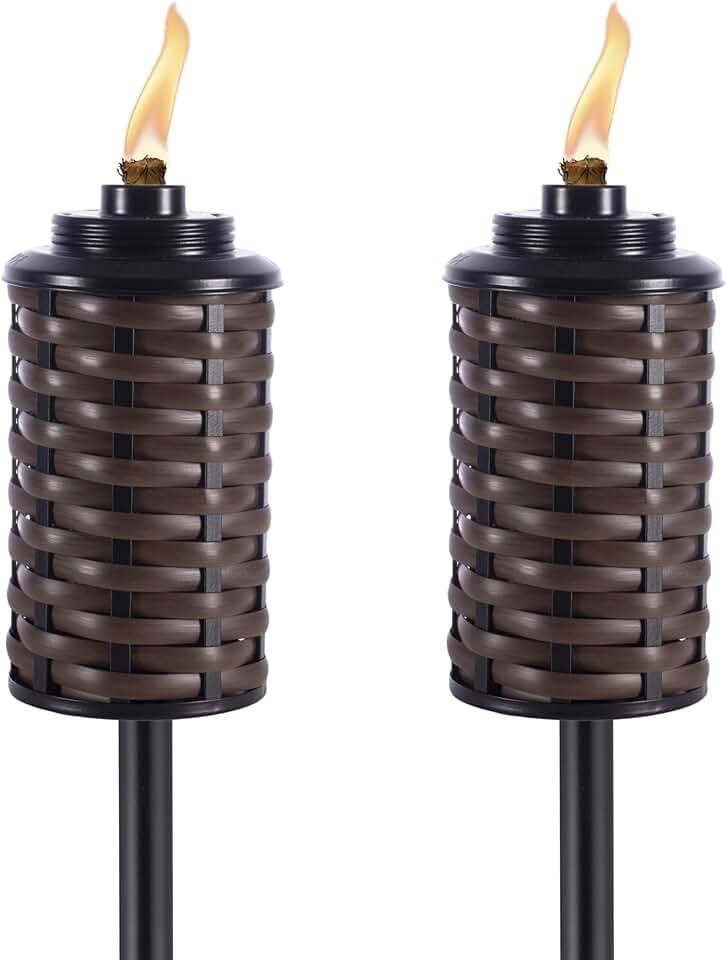
As an Amazon Associate, we may earn from qualifying purchases.
Longevity choices that change the plan
Cheaper torches require more maintenance. You will likely need to replace the fuel jars or the torch heads more frequently. If you leave them outside year-round, even expensive ones will degrade without proper covers. For the best balance of cost and durability, buy a mid-range torch with a glass reservoir and store it indoors or under a cover during heavy storms.
Shortlist real options
Choosing the right outdoor torch depends on whether you prioritize traditional ambiance, modern design, or practical durability. The market splits primarily between oil-burning bamboo torches, which offer a classic tropical feel, and gas-powered or LED alternatives that provide consistent brightness with less maintenance.
Below is a comparison of the strongest contenders across key categories. We evaluate flame type, fuel source, and typical use case to help you match the torch to your patio layout.
Tabletop Options
Glass and ceramic tabletop torches like the TIKI Pineapple Paradise series are ideal for smaller spaces. They sit securely on dining tables or side tables, providing localized light and bug protection without taking up yard space. The glass reservoirs often feature decorative patterns that cast unique shadows when lit.
Freestanding Bamboo Torches
Traditional bamboo stakes remain the most popular choice for perimeter lighting. They are inexpensive, easy to install by simply pushing them into the ground, and provide a warm, flickering glow. However, they require regular refilling of oil and wick trimming to maintain a steady flame.
Gas-Powered Modern Torches
For a cleaner burn and adjustable flame height, propane or natural gas torches are superior. Brands like ModernBlaze offer designs that blend into contemporary patios. They eliminate the mess of oil and the need for constant wick maintenance, though they require a gas line or tank connection.
LED and Solar Alternatives
If ambiance is secondary to convenience, LED torches offer bright, consistent light without fire risk. Solar-powered versions charge during the day and turn on automatically at dusk. While they lack the romantic flicker of a real flame, they are virtually maintenance-free and safe for windy conditions.
Inspect the expensive parts
Outdoor torches fail at predictable points, and those failures usually involve the most expensive components to replace. A cracked glass chimney or a rusted metal base can turn a $30 torch into a total loss. By checking these specific areas before you buy or after a season of use, you can spot hidden costs early.
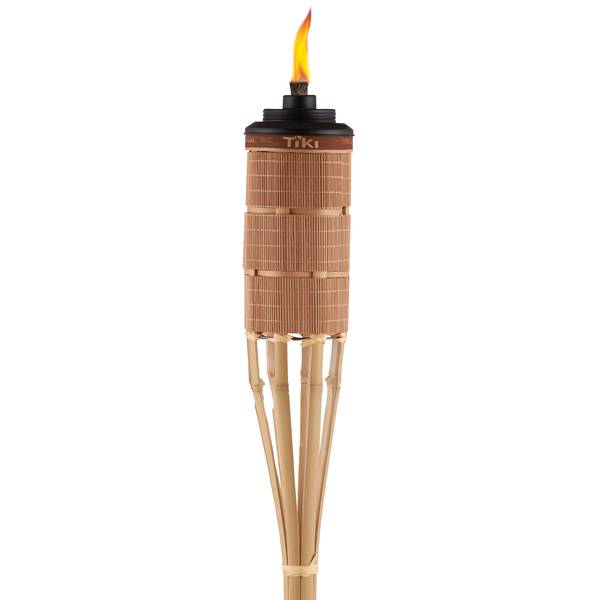
Glass chimneys are the most fragile part of any torch. Look closely at the seams and the base where the glass meets the metal collar. Even hairline cracks can spread rapidly when exposed to the thermal shock of a lit wick. If you see any white stress marks or chips, skip it. Replacing a chimney is often as costly as buying a new torch, so start with an intact one.
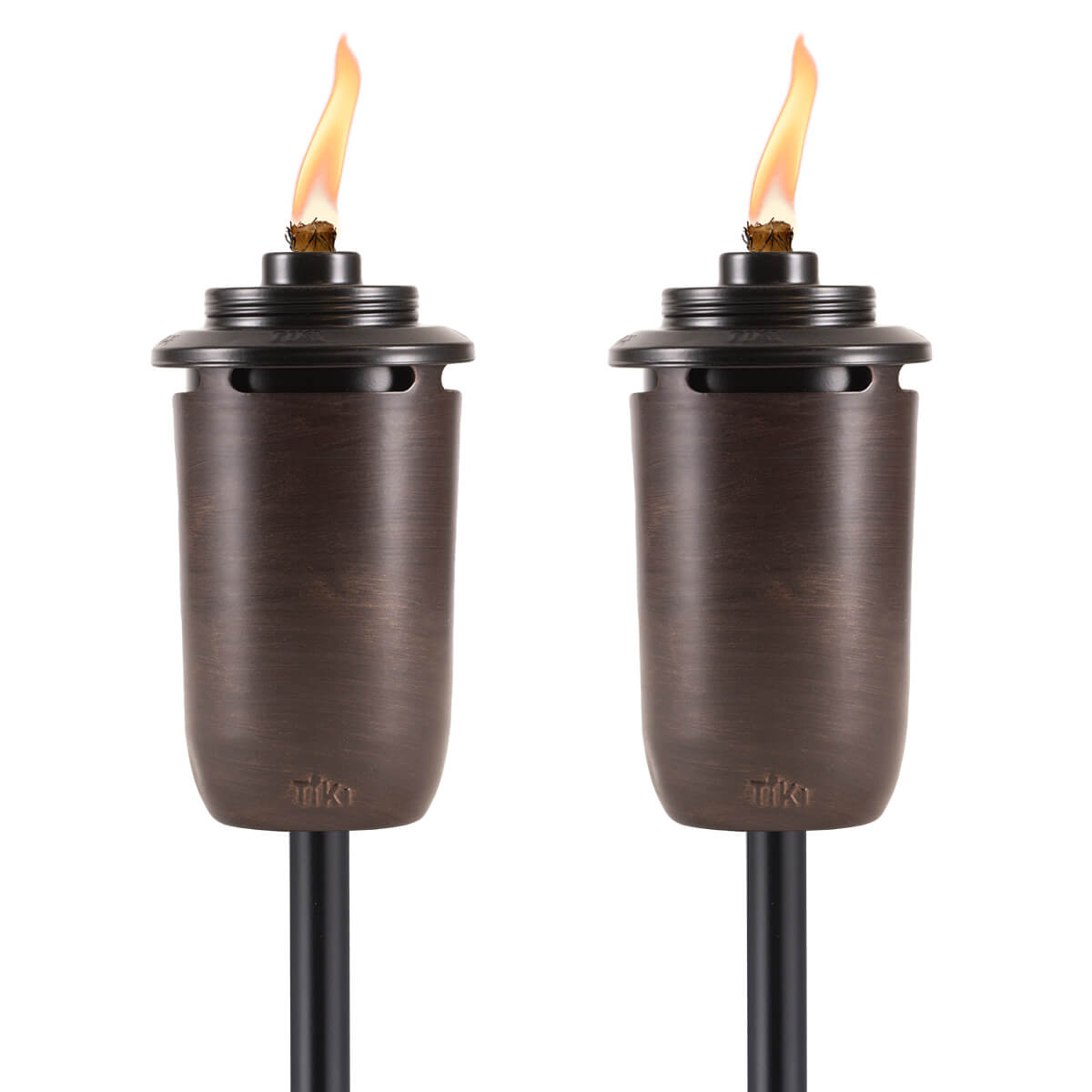
The base holds the fuel and supports the weight, making it the most critical structural element. Check for surface rust, especially around the fuel fill cap and the bottom rim. Deep pitting in the metal can lead to leaks, which are both a fire hazard and a cleanup nightmare. A stable base also prevents tipping, which is the primary cause of chimney breakage during windy evenings.
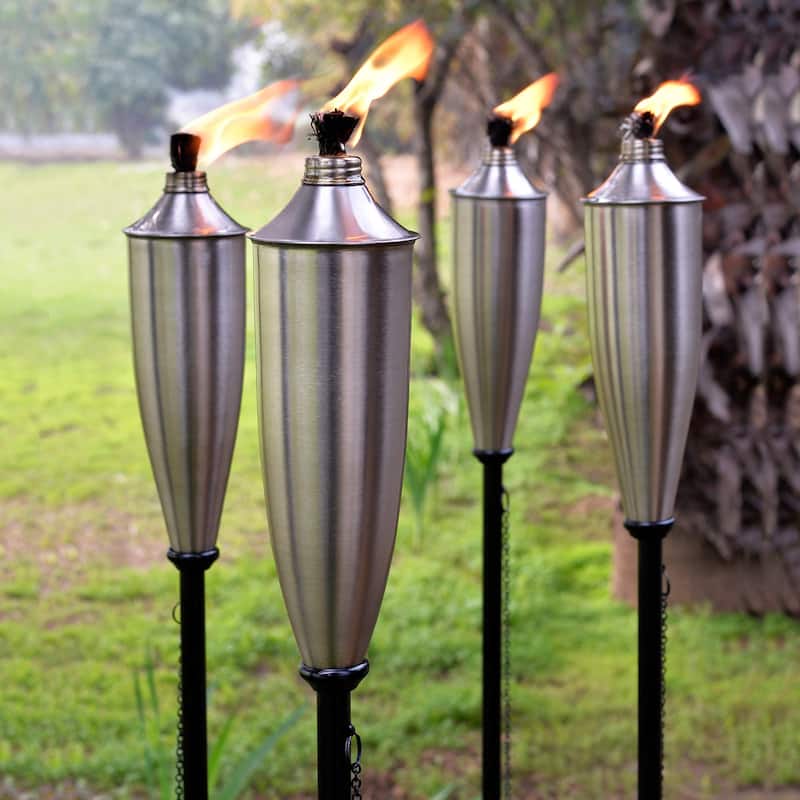
The wick holder is the small metal piece that grips the cotton wick. It must slide up and down smoothly so you can adjust the flame height. If it is stuck or loose, you will either struggle to light the torch or find the flame dying out unpredictably. A smooth mechanism ensures you can maintain a consistent burn, which reduces soot buildup and extends the life of the wick.
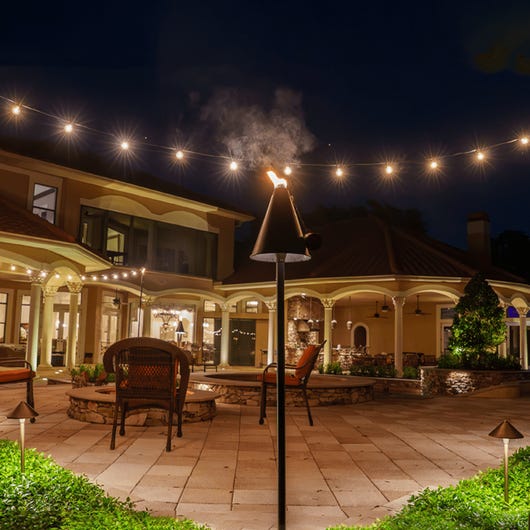
A leaking fuel cap is a silent killer of torches. Check that the cap screws on tightly and that the rubber gasket (if present) is not cracked or missing. Fuel evaporation is natural, but a bad seal causes rapid loss and creates a strong odor around your patio. If the cap feels loose or stripped, the torch will not hold fuel safely for long periods.
These four checks cover the majority of repair costs associated with outdoor torches. By focusing on the glass, the base, the wick holder, and the cap, you avoid buying products that will need immediate replacement. This practical inspection saves money and ensures your patio ambiance lasts through the season.
Plan for ownership costs
The sticker price is only the first expense. Outdoor torches are exposed elements, meaning you need to budget for fuel and replacements to keep the ambiance going. A $20 torch can cost more over a season than a $50 one if it burns through oil faster or breaks after a storm.
Fuel consumption and oil quality
Standard bamboo tiki torches typically burn for 3 to 4 hours per stick. If you light them for a four-hour evening, you are using one stick per night. Over a 100-night summer season, that is 100 sticks. High-quality citronella or pure paraffin oil burns cleaner than cheap kerosene blends, which leave black soot on your glass chimneys and require frequent scrubbing.
Glass chimneys are the second biggest cost. Cheap glass shatters when dropped or cracked by thermal shock. Look for torches with thick borosilicate glass or replaceable metal cages. If you buy a set of five torches, expect to replace one or two chimneys a year. Factor in $15–$30 for replacement glass or whole-unit replacements.
Maintenance surprises
Bamboo stalks rot from the inside out if not treated. Cheap torches often use untreated bamboo that splinters or falls apart in the first winter. Treated bamboo lasts longer but still needs to be stored or covered during heavy rain. Metal poles rust if the finish is scratched. A quick wipe-down with a dry cloth after use extends the life of the metal finish significantly.
When a cheap buy stops being cheap
A $10 torch might seem like a bargain, but if it bends in wind or leaks oil, you are buying replacements every year. Mid-range torches ($25–$40) usually offer better balance, thicker glass, and treated bamboo. For high-traffic areas, invest in heavier bases and stainless steel components. The upfront cost is higher, but you will replace them far less often.



As an Amazon Associate, we may earn from qualifying purchases.
Outdoor torches: what to check next
Before you buy, here are the practical answers to the most common questions about outdoor torches.
What is the best brand of torch?
For traditional oil-burning tiki torches, TIKI is the industry standard, known for reliable glass reservoirs and consistent flame height. If you prefer modern gas torches for easier ignition and less maintenance, Modern Blaze offers durable stainless steel options that resist rust and wind. Both brands dominate the market for different reasons, so choose based on your preferred fuel type.
Do tiki torches actually work to repel mosquitoes?
Yes, but with limitations. The smoke from citronella oil masks the carbon dioxide and lactic acid that attract mosquitoes, creating a small protective zone around your seating area. They work best when placed around the perimeter of a patio rather than in the center. For heavy infestations, pair torches with a Thermacell repellent device for better coverage.
Can tiki torches be left outside?
Oil torches should not be left outside uncovered during rain or high winds, as water ruins the fuel and wind extinguishes the flame. Store them indoors or in a dry shed when not in use. Gas torches are generally more weather-resistant but still benefit from being covered or stored to prevent corrosion on the valves and hoses.
How to keep tiki torches lit?
Wind is the main enemy of a steady flame. Use a wind guard or place a glass chimney around the wick to protect the flame from gusts. Ensure you are using the correct wick size for your torch; a wick that is too short won’t draw enough fuel, while one that is too long will produce excessive smoke and soot.
No comments yet. Be the first to share your thoughts!