
How we picked the best outdoor torches
We evaluated outdoor torches based on four practical criteria: flame stability, fuel efficiency, weather resistance, and ease of assembly. Our goal was to identify products that perform reliably in real-world conditions, not just in controlled settings.
Flame stability is the most critical factor. A torch that flickers excessively or extinguishes in a light breeze fails its primary purpose: providing consistent light and ambiance. We prioritized designs with wide wick beds and sturdy chimney structures that protect the flame from wind without choking the oxygen supply.
Fuel efficiency determines how long a torch burns between refills. We looked for wick materials and fuel reservoir designs that maximize burn time per ounce of fuel. Products that consume fuel rapidly or leak from the base were disqualified, regardless of their aesthetic appeal.
Weather resistance ensures longevity. Since these torches sit outside year-round, materials must withstand rain, snow, and UV exposure without rusting, cracking, or fading. We favored treated bamboo, powder-coated metal, and tempered glass over untreated wood or thin plastics.
Ease of assembly matters for user experience. Many torches arrive in pieces that require tools or complex instructions. We selected products that can be assembled quickly with minimal hardware, ensuring readers can set them up without frustration.
We cross-referenced these criteria with Amazon Best Sellers data to ensure our picks reflect current consumer trust and availability. This approach helps filter out obscure products that may meet technical specs but lack proven market validation.
Best overall tiki torches for large yards
For large yards, perimeter lighting requires torches that stand tall enough to cast light over fences and dense vegetation. Standard 3-foot torches often fail to illuminate these zones effectively, leaving gaps where mosquitoes and other biting insects can thrive. Tall torches, typically ranging from 6 to 8 feet, act as both a visual barrier and a functional insect deterrent, creating a protected zone around the property edge.
The TIKI Brand Island King stands out for its durability and ease of use. Constructed with a weather-resistant gunmetal finish, it is built to withstand the elements without corroding quickly. Its Twist & Pour™ technology simplifies refueling, allowing users to twist the top and pour fuel directly into the reservoir without removing the entire wick assembly. This design reduces the mess and time associated with maintenance, which is critical when managing multiple units around a large perimeter.
Deco Home offers a strong alternative for those prioritizing value and consistent flame performance. Their patio torches are frequently cited for their sturdy construction and reliable wick systems, which burn steadily for extended periods. While they may lack the proprietary fueling mechanisms of premium brands, their straightforward design ensures longevity and easy replacement of parts. For large yards, having a uniform look across multiple torches enhances the aesthetic appeal while providing comprehensive coverage.
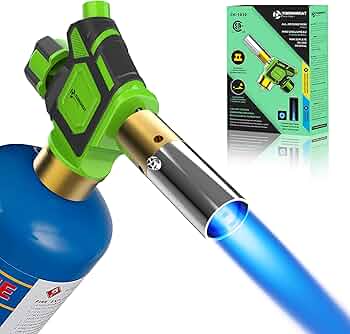
Image: The Outdoor Plus Cyclone Gas Fire Torch
When selecting torches for large spaces, consider the fuel type. Liquid fuel torches offer a longer burn time and a larger flame, which is more effective at repelling insects over a wider area. Gas torches, like the Cyclone model, provide instant ignition and adjustable flame heights, offering greater control but requiring propane tank refills. For perimeter lighting, liquid fuel torches are often preferred for their continuous burn capability, while gas torches are better suited for patios where frequent on/off cycles are needed.


As an Amazon Associate, we may earn from qualifying purchases.
Best table torches for patios and decks
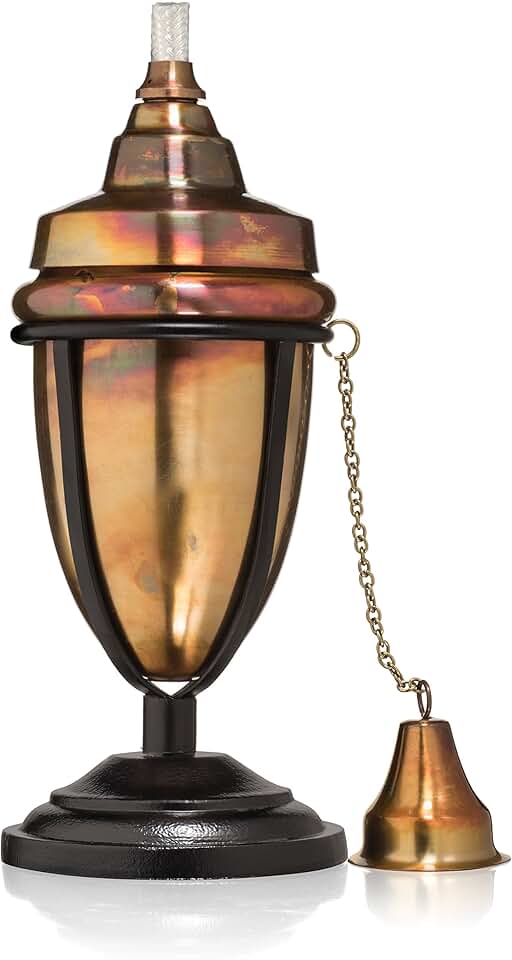
Table-top torches serve a different function than their floor-standing counterparts. They are designed to fit on dining tables, sideboards, or narrow balcony railings, providing ambient light without obstructing sightlines. The primary engineering challenge for these units is wind resistance; a flickering flame on a small glass vessel can be distracting or even hazardous during an evening gathering.
The TIKI 6.5 in. Pineapple Paradise Glass Table Torch exemplifies the standard for decorative table lighting. With a 3-pack configuration, these torches offer a consistent aesthetic for multiple seating areas. The glass construction diffuses the flame, creating a softer glow that complements outdoor dining. Citronella fuel in these compact vessels helps keep insects at bay without the bulk of larger torches.
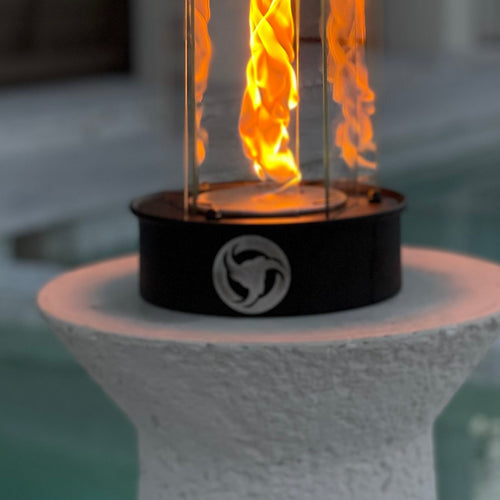
For areas prone to breezes, specialized designs like the HaloFire Tornado Fire Torches offer an advantage. These torches are engineered with a vortex airflow system that stabilizes the flame against wind gusts. This makes them a practical choice for open patios or coastal decks where standard tiki torches might struggle to maintain a steady burn. The focus here is on reliability and visual stability rather than just height.
When selecting a table torch, prioritize the base stability and fuel capacity relative to the table surface. A wider base prevents tipping, while adequate fuel volume ensures the torch lasts through the duration of the event. Decorative finishes, such as gold accents or bamboo textures, should complement the existing patio furniture to maintain a cohesive look.

As an Amazon Associate, we may earn from qualifying purchases.
Fire bowls as an alternative to torches
Fire bowls offer a distinct alternative to traditional tiki torches, shifting the focus from vertical flame height to horizontal heat distribution. While torches provide a narrow beam of light and insect repellent, fire bowls create a communal gathering point. The wider surface area allows for larger logs or gel fuel, generating more ambient warmth suitable for larger patio setups.
The visual difference is immediate. Torches cast long, flickering shadows that emphasize height, whereas fire bowls produce a steady, low-profile glow that feels more integrated into the landscape. This makes them ideal for spaces where ceiling height is limited or where a less aggressive flame presence is preferred. The smoke profile also differs; wood-burning bowls require more ventilation management compared to the relatively clean burn of paraffin-soaked torch wicks.
Maintenance routines diverge significantly between the two. Torches require regular wick trimming and refilling, often every few days during peak season. Fire bowls, particularly those designed for wood or gel, need ash removal and occasional soot cleaning. The bowl itself can accumulate residue that requires scrubbing, whereas torch glass vessels are easier to wipe down. Consider your willingness to perform these tasks before choosing the right outdoor fire source.
| Feature | Tiki Torches | Fire Bowls |
|---|---|---|
| Heat Output | Low, directional | High, ambient |
| Light Coverage | Vertical, narrow | Horizontal, wide |
| Maintenance | Wick trimming, refilling | Ash removal, soot cleaning |
| Footprint | Small, vertical | Large, ground-level |
Installation tips for garden torch lighting
Placing outdoor torches correctly balances safety with ambiance. The goal is to create a perimeter of light that deters insects without creating fire hazards or obstructing walkways. Proper spacing ensures the flame is visible but not glaring, while secure mounting prevents tipping in wind.
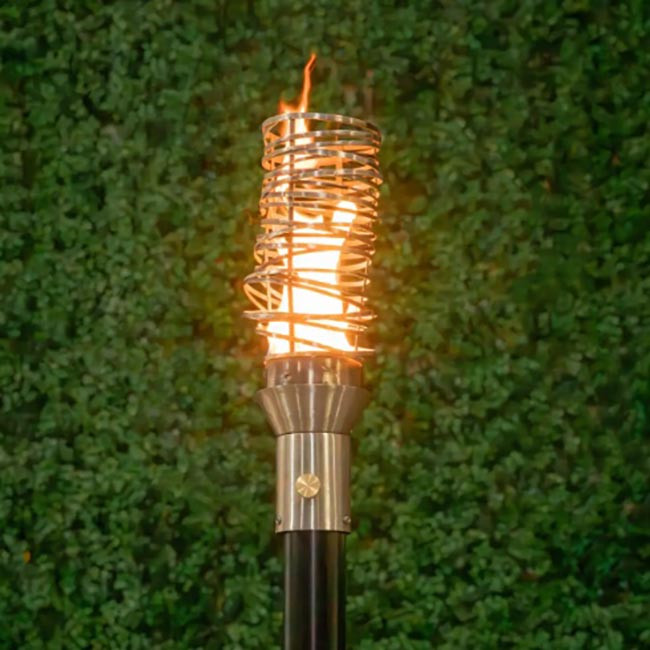
Drive ground stakes into firm soil at least 12 to 18 inches deep. This depth provides stability against minor winds and prevents the torch from tipping over. Space these torches 6 to 8 feet apart along the edges of patios or garden beds to create a consistent visual barrier. Avoid placing them directly on loose mulch or sandy soil where they may wobble.
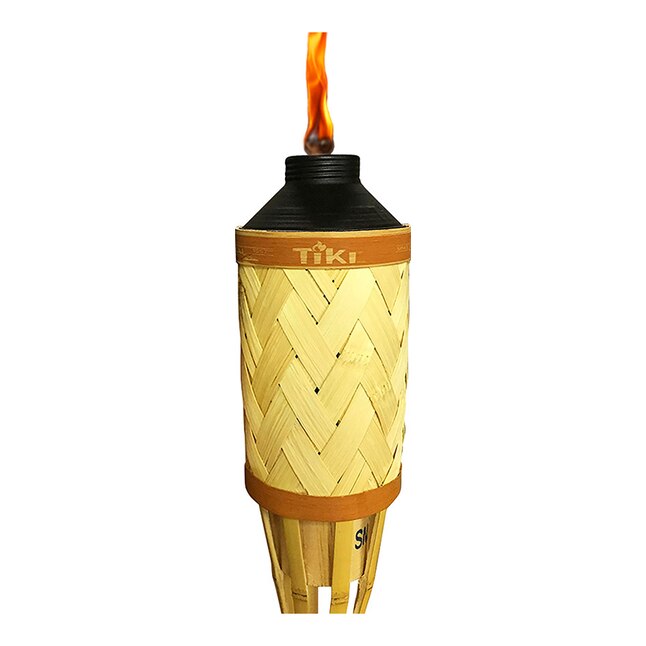
Table-mounted torches keep the flame away from foot traffic and furniture. Use weighted bases or clamp-on mounts designed for your specific table material. Ensure the flame is at least 12 inches above the table surface to protect tablecloths and nearby items from heat or falling ash. This setup is ideal for small gatherings where space is limited.
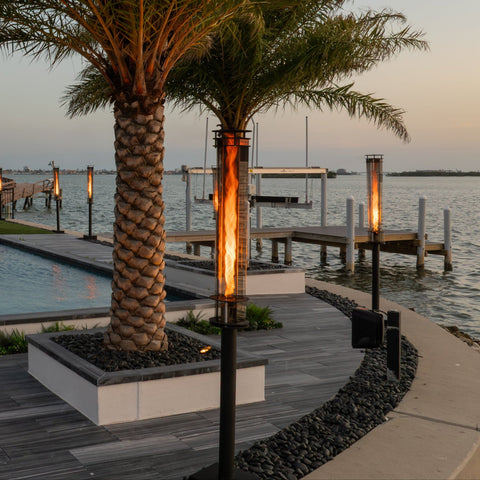
Keep all torches at least 10 feet away from overhead structures like pergolas, awnings, or tree branches. Maintain a 3-foot clearance from walls, fences, and flammable vegetation. This distance allows for proper airflow around the flame, reducing smoke accumulation, and provides a safety buffer in case the torch is knocked over.
For larger yards, consider using a combination of ground stakes and hanging mounts to create layers of light. Avoid clustering torches too closely, as this can create excessive smoke and heat in one area. Regularly check the stability of stakes and mounts, especially after heavy rain or wind.
Frequently asked questions about outdoor torches
What is the best fuel for tiki torches?
Most traditional tiki torches are designed for kerosene or citronella oil. Kerosene provides a steady, long-burning flame and is generally the most affordable option, though it has a distinct odor. Citronella oil is preferred for its insect-repelling properties and lighter scent, but it burns faster than kerosene. Always check the manufacturer's label to ensure compatibility, as using the wrong fuel can damage the wick or create unsafe soot buildup.
How do I maintain my outdoor torches?
Regular maintenance extends the life of your torches significantly. Clean the glass reservoirs and metal stems with warm, soapy water to remove dirt and old oil residue. Inspect the wicks regularly; trim them to about 1/4 inch to prevent excessive smoking and ensure a clean burn. Store torches upside down or indoors during heavy rain to prevent water from entering the fuel chamber, which can extinguish the flame and cause corrosion.
Are tiki torches safe to use near decks and furniture?
Yes, provided you follow basic safety guidelines. Keep torches at least three feet away from overhead structures, curtains, and flammable furniture. Use stable, non-tip bases and never leave burning torches unattended. For decks with overhead covers, consider flameless LED alternatives or ensure the torches are securely anchored. Always have a fire extinguisher or a bucket of sand nearby when hosting gatherings.
No comments yet. Be the first to share your thoughts!