
Beyond Kerosene: The Push for Greener Torch Fuels
Outdoor torches have long used kerosene, a petroleum product. Kerosene smells bad, produces smoke that pollutes the air, and carries environmental risks from transport and spills. People want alternatives because they're more aware of the environment and want nicer outdoor experiences.
People want torch fuels that are better for the environment but still create a nice atmosphere. Some towns are even considering restrictions on kerosene, especially in wildfire-prone areas or places with strict air quality rules. TIKI, a big name in torches, is adding more fuel options, though kerosene is still common.
Switching to 'green' torch fuels means less soot, fewer odors, and responsible sourcing. Every fuel has an environmental impact; the goal is to find the least harmful one. This article looks at the best eco-friendly alternatives available now, considering how well they work, their price, and their sustainability.
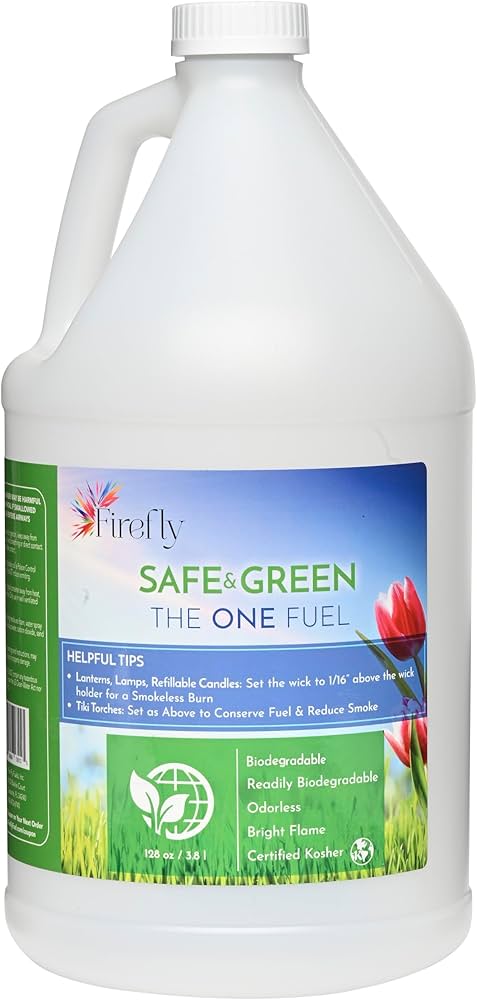
Plant-Based Torch Fuels: A Deep Dive
Plant-based torch fuels, made from soybean oil, coconut oil, or other vegetable oils, are a more sustainable choice. They usually create less soot and smell better than kerosene. However, how they burn differs. Soybean oil burns slower and cooler, giving a weaker flame. Coconut oil burns brighter and more steadily, but it costs more.
Plant-based fuels are becoming more common, though not as widespread as kerosene. Halofire includes 32oz of fuel with their torches, offering a complete package. Plant-based fuels usually cost 20% to 50% more per gallon than kerosene. This higher price might deter some buyers, but the environmental pluses could make it worthwhile.
Insects, especially mosquitoes, can be drawn to plant-based fuels. Using a fuel with added citronella or insect repellent can help. Also, some plant-based fuels need specific wicks. Cotton wicks usually work fine, but thicker oils might need fiberglass wicks for a steady flame.
Alcohol-Based Options: Ethanol and Beyond
Ethanol fuels, like denatured alcohol, burn cleaner than kerosene and most plant-based oils. Denatured alcohol has additives to make it undrinkable, which is a safety measure. Ethanol burns with very little smoke and no real smell, making it good for people sensitive to odors or who want a subtle light.
Ethanol is more expensive than kerosene and highly flammable. It has a lower flash point, so it catches fire more easily. Store it safely away from heat and flames. Always use a funnel when filling torches and don't overfill them.
New ethanol blends are made for outdoor torches, often with small amounts of other alcohols like isopropanol to improve burning and prevent water absorption. Using the wrong alcohol, like rubbing alcohol, can be dangerous and harm your torch. Make sure the fuel is made for torches.
Synthetic Fuels: Lab-Created Clean Burning
Synthetic fuels are a newer option for eco-friendly torches. They are made in labs to burn with high intensity, last a long time, and produce little smoke. These are usually special hydrocarbon mixes that perform like kerosene but without the environmental issues.
It's hard to judge how 'green' synthetic fuels are. They might burn cleaner, but making them can use a lot of energy and cause pollution. Their total environmental impact depends on where the materials come from and how efficient the production is. Knowing what's in them and where they're made is important.
Synthetic fuels are usually more expensive than kerosene and plant-based fuels. However, their cleaner burn and steady flame might be worth the extra cost for some. Grand Effects makes fire features and seems interested in clean-burning technology, though they don't specifically mention synthetic torch fuel.
- Fuel Type: Synthetic Hydrocarbon Blend
- Burn Time: Up to 8 hours (depending on torch size)
- Smoke Production: Minimal
- Cost: $15 - $25 per gallon (estimated)
Eco-Friendly Outdoor Torch Fuel Comparison - 2026
| Fuel Type | Environmental Impact | Burn Time | Cost | Insect Attraction |
|---|---|---|---|---|
| Plant-Based (e.g., Soybean Oil) | Low | Medium | Medium | Low to Medium (depending on added repellents) |
| Alcohol-Based (Ethanol/Isopropyl) | Medium | Medium to High | Low to Medium | Low |
| Synthetic (Paraffin-based, refined) | High | High | Low | Medium |
| Citronella Oil (often blended) | Medium | Medium | Medium | High (specifically for mosquitoes) |
| Biodiesel (Waste Vegetable Oil) | Low | Medium to High | Medium to High | Low to Medium |
| Mineral Oil (Highly refined petroleum product) | High | High | Low | Low |
Illustrative comparison based on the article research brief. Verify current pricing, limits, and product details in the official docs before relying on it.
DIY Torch Fuel: Risks and Recipes
Many online recipes suggest making your own torch fuel with cooking oil, kerosene, and other things. I strongly advise against this. The risks of working with flammable liquids are much greater than any savings. You could get uneven burns, sudden flare-ups, or toxic fumes.
Some recipes use common items like vegetable oil and rubbing alcohol, but these mixes are often unstable and can create dangerous fumes when burned. Even safe ingredients can become hazardous when mixed wrong. The risk of fires and injuries is too great.
If you want to try alternative fuels, stick to store-bought ones that are tested and safe for torches. Don't try making your own. It's not worth the risk.
Fuel Compatibility: Torches and Wicks
Torch fuels and torches aren't all the same. Fuel thickness, flash point, and what it's made of affect compatibility. Using the wrong fuel can cause sputtering, smoke, or damage to the torch.
Wick material matters. Cotton wicks work for many plant-based and alcohol fuels, but they can get soaked and smoke with thicker oils. Fiberglass wicks last longer and burn steadily with heavier fuels, but might not draw thinner fuels well. Choose the right wick for best results and safety.
Some new torches are made for eco-friendly fuels, with special wicks and tanks for a clean, efficient burn. When buying a torch, check its fuel compatibility to match what you plan to use.
Maintenance and Storage: Keeping Fuels Safe
Store eco-friendly torch fuels in sealed containers away from sun, heat, and flames. Don't use plastic containers, as some fuels can break them down. Metal containers with tight lids are best. Keep them in a cool, dry, well-ventilated spot.
Clean torches after each use to remove residue and prevent clogging. Use mild soap and water on the bowl and wick holder, and let it dry before refilling. Dispose of old fuel and containers according to local rules.
Check torches regularly for damage like cracks or leaks and replace parts if needed. These steps help keep your torches working safely and efficiently.
2026 Trends: What's Next in Eco-Friendly Lighting?
The trend towards eco-friendly outdoor lighting is expected to accelerate in the coming years. We’ll likely see continued innovation in synthetic fuel technology, with a focus on reducing the environmental impact of the manufacturing process. Greater adoption of plant-based fuels is also anticipated, driven by increasing availability and decreasing costs.
Innovations in torch design will likely focus on improving fuel efficiency and reducing emissions. This could include the development of torches with optimized combustion chambers and more efficient wicks. We may also see the emergence of smart torches with features like automatic fuel regulation and remote control.
Stricter regulations regarding torch fuel emissions are a possibility, particularly in areas with sensitive ecosystems or high levels of air pollution. These regulations could further incentivize the development and adoption of eco-friendly alternatives. The future of outdoor torch lighting is undoubtedly greener, and consumers will have more sustainable options than ever before.

No comments yet. Be the first to share your thoughts!