

Choosing the right fuel type
Your choice of fuel determines whether your torches serve as decorative accents or functional pest control. Liquid fuel, citronella, and propane each offer distinct advantages for patio ambiance and mosquito defense. Understanding these differences helps you select the right setup for your specific needs.
Liquid fuel torches provide the classic outdoor experience with a tall, dancing flame that creates warm, flickering light. They burn for two to three hours per fill, making them ideal for evening gatherings. However, they require regular refilling and produce a small amount of smoke. Brands like TIKI Brand offer traditional wicks and fuels that deliver authentic ambiance without excessive soot. For those prioritizing atmosphere over convenience, liquid fuel remains the gold standard for patio lighting.
Citronella torches combine lighting with mosquito repellent properties. The citronella oil burns off gradually, creating a protective zone around your seating area. These torches typically last longer than standard liquid fuel options, often burning for three to four hours. While they don't eliminate mosquitoes entirely, they significantly reduce their presence. Products from brands like Halofire specialize in clean-burning citronella fuels that minimize smoke while maximizing repellent effectiveness. This makes them excellent for dinner parties or relaxed evenings where bugs are a concern.
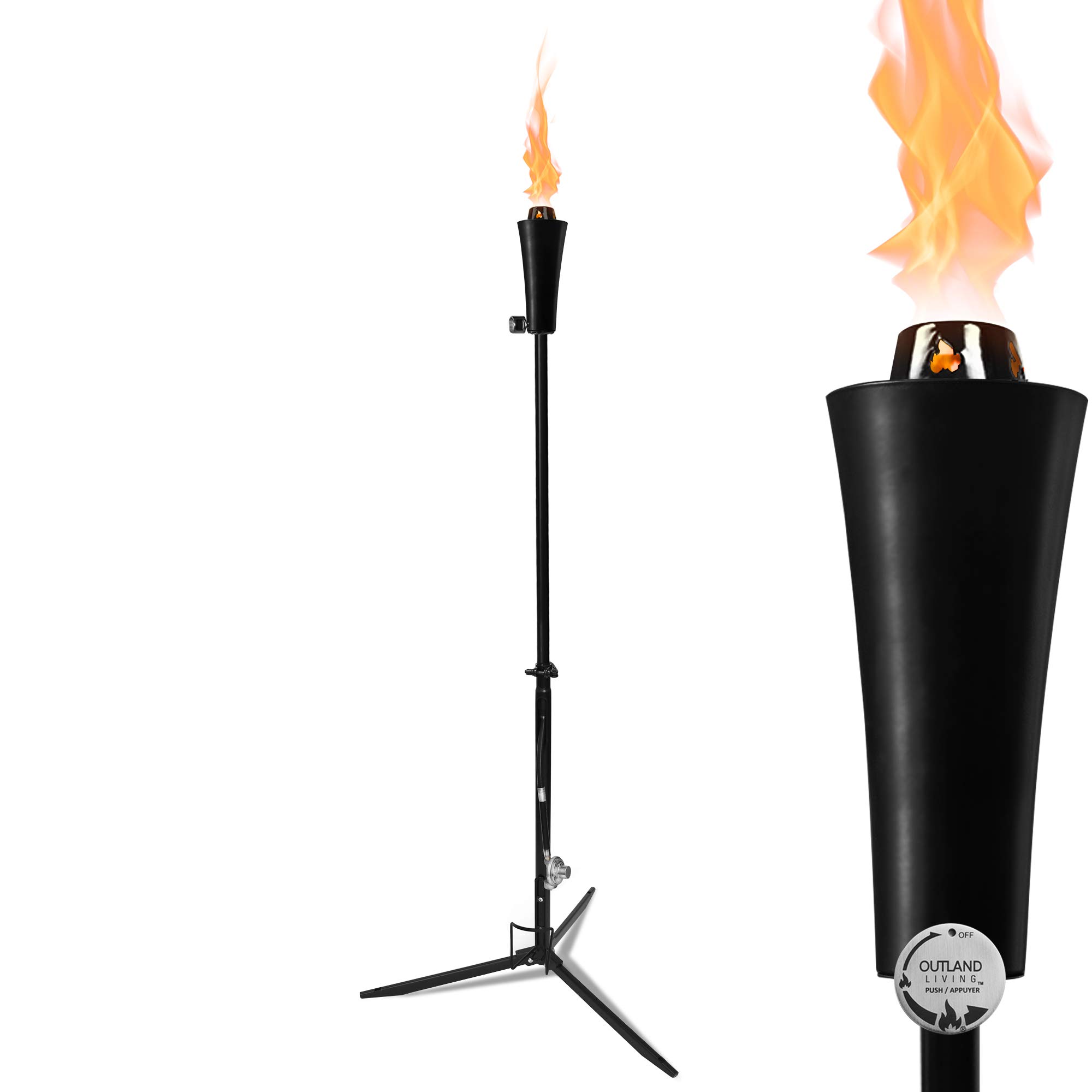
Propane torches offer the most consistent performance with minimal maintenance. They burn cleanly, produce no smoke, and can be adjusted for flame height. A single 20-pound tank can power multiple torches for several hours, making them cost-effective for large gatherings. While they lack the organic feel of liquid fuel, their reliability and ease of use make them practical for everyday outdoor living. If you value convenience and consistent performance, propane is the logical choice for modern patio setups.
Best classic tiki torches
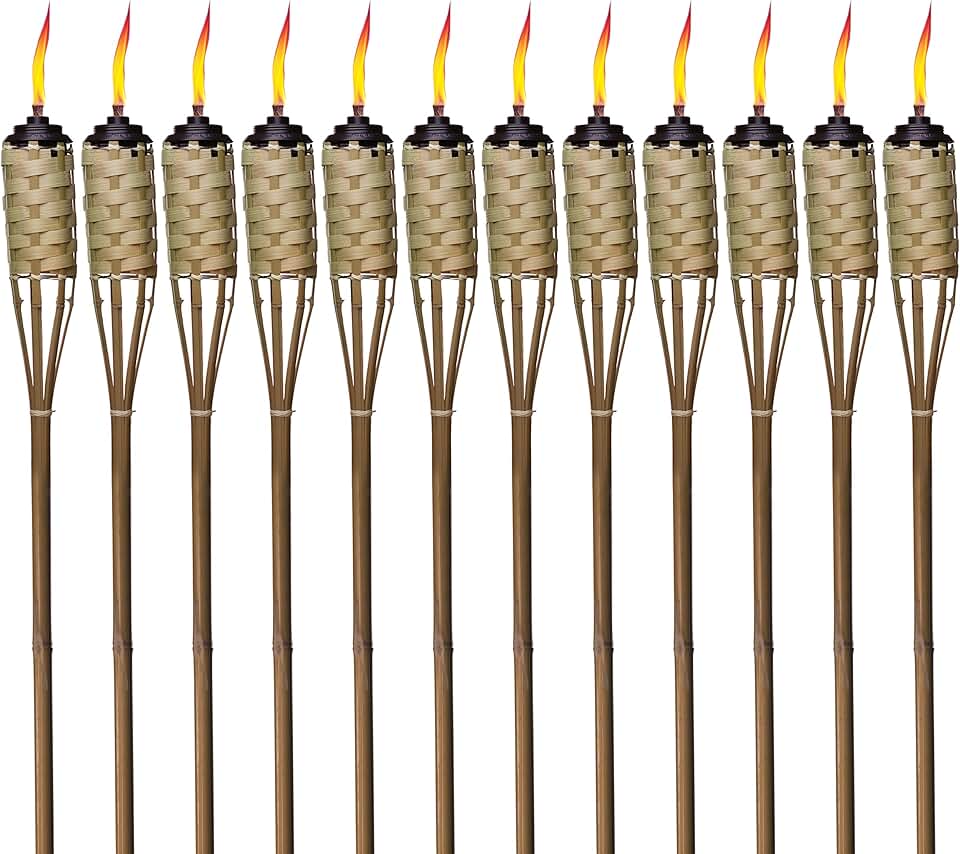
Traditional tiki torches remain the standard for outdoor ambiance, offering that distinct flicker and earthy scent that electric alternatives struggle to replicate. The market for these classics is dominated by a few established names, with TIKI Brand holding the strongest reputation for durability and flame consistency. When selecting a classic torch, the primary considerations are the fuel type, the basket material, and the wick height, which together determine how long the flame lasts and how far it reaches.
The Outdoor Plus Woven Gas Torch is a standout option for those seeking a balance of aesthetic appeal and performance. Its stainless steel basket features a box-weave design that diffuses the light beautifully, creating a warm, inviting glow rather than a harsh spotlight. This model runs on propane, which provides a more consistent flame than the traditional oil-based versions, reducing the frequency of refills while maintaining the classic look. The woven metal also offers better protection against wind than open-frame designs, ensuring the flame stays lit on breezy patio evenings.
For those who prefer the traditional scent of citronella oil, glass and metal torches from brands like TIKI and Sunnydaze Decor are widely available and highly rated. These models rely on a cotton wick soaked in oil, which burns slower than gas but provides the insect-repelling benefits that many homeowners prioritize. The key to longevity in these models is the quality of the glass reservoir and the metal base, which must withstand heat and weather without corroding. Most top-rated models feature reinforced bases to prevent tipping, a common issue with taller torches.
When shopping for these torches, it is helpful to look at best-seller lists to gauge current consumer satisfaction. Amazon’s best-seller rankings for landscape lanterns and torches often highlight models that have proven reliable over multiple seasons. Home Depot and Lowe’s also carry extensive selections, with user reviews providing insight into real-world performance regarding wind resistance and fuel efficiency.


As an Amazon Associate, we may earn from qualifying purchases.
Smokeless and citronella options
Traditional tiki torches are effective at masking odors, but the thick plumes of smoke they produce can be a nuisance for guests and a respiratory irritant. Modern alternatives have shifted toward clean-burning fuels and integrated repellents, offering a compromise between ambiance and comfort. These options appeal to homeowners who want to keep insects at bay without sacrificing the warm glow of an open flame.
Clean-burning flame technology
Smokeless torches utilize specialized wicks and fuel blends to achieve a more complete combustion. Brands like Halofire have popularized this approach, marketing fuels that burn with minimal soot and odor. The result is a steadier flame that focuses on illumination rather than masking scents. For users sensitive to smoke or those hosting events where air quality matters, these torches provide a cleaner atmosphere. The trade-off is often a slightly higher cost per hour compared to standard paraffin fuels, but the reduction in cleanup and respiratory irritation is a significant benefit for many buyers.
Integrated citronella repellents
Citronella-infused fuels offer a dual function: they provide light while releasing repellent vapors. Unlike burning citronella sticks, which often fail to disperse the scent effectively, liquid citronella fuels vaporize as they burn, creating a more consistent protective zone around the torch. This method is particularly useful for patio dining areas where guests are stationary. However, the efficacy depends on wind conditions and the concentration of the citronella oil. For best results, position these torches at the perimeter of the seating area to create a barrier against mosquitoes and flying insects.
| Feature | Smokeless Torch | Citronella Torch | Traditional Torch |
|---|---|---|---|
| Smoke Output | Minimal | Low | High |
| Insect Repellent | None | Moderate | Low |
| Ambiance | Clean Flame | Warm Glow | Authentic Smoke |
| Best For | Sensitive Users | Patio Dining | Rustic Aesthetic |
Maintenance and safety tips
Outdoor torches are exposed to rain, wind, and temperature swings, so regular maintenance is the difference between a torch that lasts a season and one that lasts years. Neglecting simple upkeep leads to clogged wicks, rusted metal, and fuel degradation. By treating your torches as functional tools rather than static decor, you extend their lifespan and keep the flame steady.
Cleaning and wick care
Residue from citronella and paraffin fuels builds up on the wick tube and burner head over time. This buildup restricts fuel flow, causing the flame to sputter or produce excessive smoke. Clean the burner assembly every few refills. Use a soft brush or compressed air to remove carbon deposits from the wick tube interior. For metal torches, wipe down the exterior with a damp cloth and mild soap to prevent rust, especially if you live in a humid coastal area. Let them dry completely before storing.
Proper refueling practices
Spilling fuel is a common safety hazard. Always refuel torches on a flat, stable surface away from open flames or hot embers. Use a funnel with a wide mouth to minimize spills. If you do spill fuel, wipe it up immediately with an absorbent cloth. Do not overfill the reservoir; leave about an inch of air space to prevent overflow when the torch is tilted. Use only the fuel type recommended by the manufacturer, as mixing fuels can damage seals and alter burn rates.
Seasonal storage
When the season ends, proper storage protects your investment. Empty any remaining fuel from the reservoirs. Old fuel degrades and can become gummy, clogging the wick system for the next season. Clean the wicks thoroughly and let them dry. Store torches in a cool, dry place, preferably indoors or in a sealed garage. If storing outside, use heavy-duty covers to protect against rain and snow, but ensure the torches are completely dry first to prevent mold and rust.
Safety first
Safety is the most critical aspect of torch maintenance. Always place torches on stable, non-flammable surfaces like stone, concrete, or metal stands. Keep them at least three feet away from overhead branches, hanging decorations, or flammable furniture. Never leave a lit torch unattended, especially around children or pets. If a torch tips over, extinguish the flame immediately by covering it with a metal lid or sand, never with water. Regularly inspect torches for cracks in glass reservoirs or corrosion on metal parts; replace damaged components to prevent accidents.
Frequently asked questions about outdoor torches
What fuel types are best for outdoor torches?
Most outdoor torches rely on citronella or paraffin-based fuels. Citronella options, such as those from TIKI Brand or HaloFire, burn cleaner with less smoke, making them ideal for patio ambiance where smoke drift is a concern. Paraffin fuels are generally more affordable and provide a longer burn time, though they may produce more soot. Choose based on whether you prioritize insect repellency or cost efficiency.
Are outdoor torches safe to use near flammable materials?
Yes, provided you follow basic safety guidelines. Keep torches at least three feet away from overhead structures, dry vegetation, and furniture. Always place them in stable, non-tip bases and never leave them unattended. Using a glass or metal torch head with a secure wick mechanism further reduces the risk of accidental ignition or fuel spills.
How long do outdoor torches last?
The longevity of an outdoor torch depends on its build material. Bamboo torches typically last one season before the wood degrades from weather exposure. Metal torches, such as those made from powder-coated steel or aluminum, can last several years if stored indoors during winter. Glass torches are durable but can break if dropped; handle them with care to maintain their appearance and function.
No comments yet. Be the first to share your thoughts!