
How we picked the best outdoor torches
We tested outdoor torches based on three practical factors: wind resistance, fuel type, and durability. Our goal is to help you find a torch that stays lit when the breeze picks up and doesn’t fall apart after a few seasons.
Wind resistance is the top differentiator. A torch that tips over or goes out with a light gust is useless. We looked for designs with wide bases, weighted bottoms, or secure locking mechanisms that keep the flame steady.
Fuel type matters for convenience. Most top picks use citronella oil or candles, which are easy to find and refill. Solar and wind-powered options are included for specific use cases, but they must meet the same durability standards.
Durability ensures your torch survives rain, sun, and temperature changes. We focused on materials like powder-coated steel, treated bamboo, and UV-resistant plastics that won’t rust or crack quickly.
To help you compare, here is a quick look at how top contenders stack up against these criteria:
| Model Type | Wind Resistance | Fuel Type | Durability |
|---|---|---|---|
| Traditional Tiki | High | Citronella Oil | High |
| Solar Spike | Low | Solar Battery | Medium |
| Wind-Powered LED | Medium | Wind + Battery | High |
Best overall tiki torch: Tiki Island King
The Tiki Island King stands out as the market leader for traditional flame torches, balancing a large, impressive flame with a design that actually works in the real world. Unlike many competitors that rely on flimsy materials, this torch features a weather-resistant gunmetal finish and a sturdy four-piece pole that assembles in minutes. It is built to handle the elements, making it a reliable centerpiece for patios and decks.
Its standout feature is the Twist & Pour™ technology, which simplifies refueling significantly. You simply twist the top to open the fuel reservoir, pour in your torch oil, and twist it back to seal. This mechanism prevents spills and makes maintenance quick and clean, a small detail that saves a lot of frustration over the summer. The large flame output provides ample light and warmth, effectively keeping mosquitoes at bay without requiring constant attention.
Wind resistance is another area where the Island King excels. The weighted base and secure cap design help it stay upright and lit even when breezes pick up, a common issue with lighter, cheaper torches. For those seeking a durable, easy-to-use option that delivers on performance, this model remains the top choice for traditional outdoor lighting.

As an Amazon Associate, we may earn from qualifying purchases.
Best wind-resistant torch: HaloFire Tornado
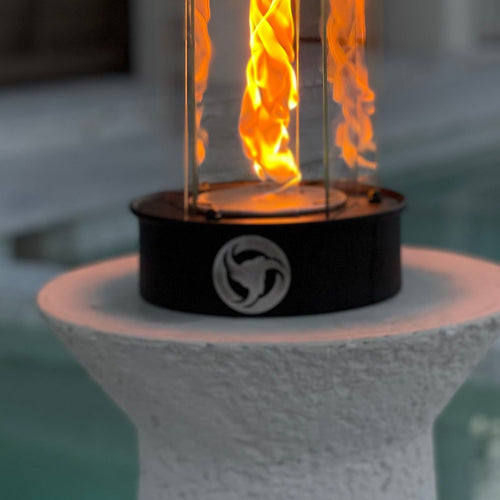
Standard tiki torches often struggle when the wind picks up, turning a pleasant evening into a smoky, flameless disappointment. The HaloFire Tornado torch is designed specifically to solve this problem. Its unique spiral flame design creates a vortex effect that helps stabilize the fire, allowing it to burn steadily even in breezy conditions where traditional torches would flicker out or produce excessive smoke.
Unlike generic wind-resistant models that rely solely on tall fuel reservoirs, the HaloFire Tornado uses a specialized wick and burner configuration. This engineering choice means you get a consistent, bright flame without the constant need to trim wicks or adjust fuel levels. It’s a practical upgrade for anyone who hosts outdoor gatherings in areas prone to gusts, from coastal patios to open backyards.
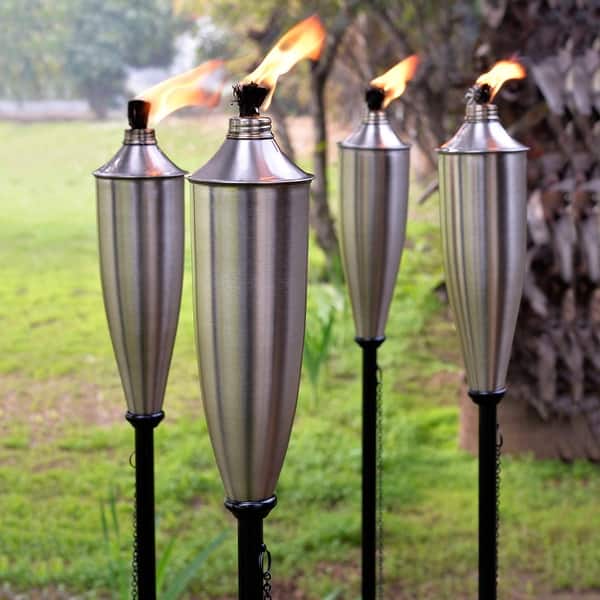
The build quality is another strong point. The torches feature durable stainless steel construction that resists rust and corrosion, ensuring they last through multiple seasons. The design is also sleek and modern, fitting well with contemporary outdoor decor without looking like heavy-duty industrial equipment.
If you’re tired of fighting the wind every time you light up your patio, the HaloFire Tornado offers a reliable, high-performance solution that keeps the ambiance alive.


As an Amazon Associate, we may earn from qualifying purchases.
Best budget pick: Deco Home Patio Torches
If you want the glow of a real fire without the premium price tag, the Deco Home Patio Torches are a solid starting point. They deliver that classic tiki torch ambiance at a fraction of the cost of high-end metal or glass alternatives. This makes them ideal for large patios, decks, or garden paths where you want to spread the mood without breaking the bank.
The design is straightforward: a sturdy metal pole topped with a glass reservoir and a cotton wick. What sets them apart from other budget options is their wind resistance. The glass housing helps stabilize the flame even on breezy evenings, reducing the sputtering that often plagues cheaper paper-wick torches. They are also easy to set up—just fill with fuel, light the wick, and place them in your outdoor space.
For readers looking for a cost-effective alternative, these torches strike a good balance between price and performance. They aren't indestructible, but they offer reliable warmth and light for casual gatherings. If you need to light up a large area without investing in expensive solar or LED systems, this is a practical choice.

As an Amazon Associate, we may earn from qualifying purchases.
Best solar option: Everbeam Solar Torch Light
If you want to skip the citronella refills and the hassle of dragging extension cords across the patio, the Everbeam Solar Torch Light is the zero-fuel alternative that actually works. It captures sunlight during the day and provides a steady, warm glow at night, making it one of the most low-maintenance outdoor lighting solutions available.
The design mimics the classic tiki torch look with a flickering LED flame, but without the open fire hazard. The unit is built to withstand wind and rain, with a sturdy stake that anchors firmly into the ground. Unlike many solar lights that dim quickly, the Everbeam maintains a consistent brightness throughout the evening, provided it gets a few hours of direct sun.
Setting it up takes less than a minute. Just push the stake into the soil, ensure the solar panel faces the sky, and let the automatic sensor handle the rest. It turns on at dusk and off at dawn, requiring no switches or timers to manage.

As an Amazon Associate, we may earn from qualifying purchases.
How to install and maintain outdoor torches
Setting up your outdoor torches correctly is the difference between a cozy patio and a safety hazard. Whether you are using traditional tiki torches or modern solar alternatives, proper installation ensures they stay upright in the wind and burn cleanly for years. Here is the straightforward process to get them right.
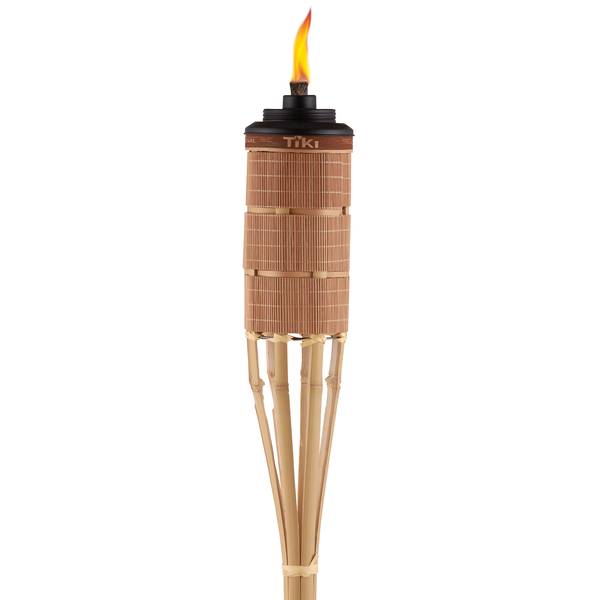
For traditional fuel-burning torches, stability is everything. Dig a hole about 12 to 18 inches deep, depending on the length of your torch pole. Fill the bottom with gravel for drainage, then place the torch and pack the remaining soil tightly around the base. This prevents the torch from tipping over in gusty winds, which is a common issue with lightweight bamboo poles. If you are using a heavy metal base, simply ensure it is placed on a flat, level surface away from high-traffic walkways.
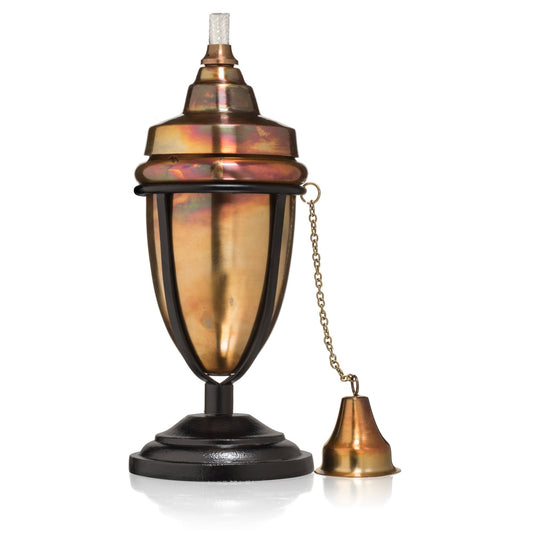
When filling your torches, never fill them to the brim. Leave at least an inch of air space at the top to prevent fuel from spilling out when the torch is moved or tilted. Use only the recommended fuel type for your specific torch—most traditional torches use citronella or kerosene-based fuels. Insert the wick so it extends about half an inch above the nozzle. Trim the wick to a quarter-inch before lighting to ensure a clean, steady flame that doesn’t produce excessive smoke or soot.
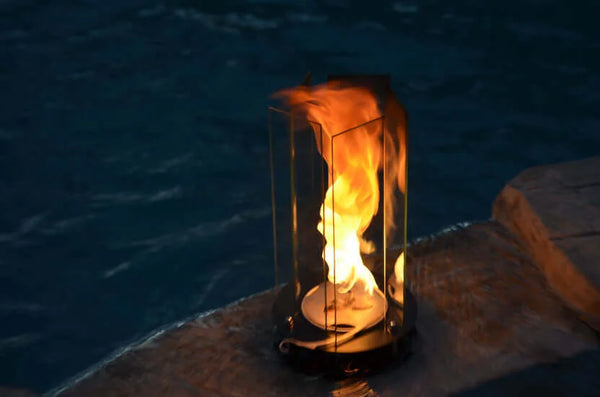
Wind is the enemy of outdoor torches. Place them in sheltered areas, such as against walls or in corners where they can block breezes rather than fight them. If you live in a windy area, choose torches with weighted metal bases or those designed with low centers of gravity. Avoid placing them directly under overhangs or near dry leaves, as stray sparks can cause fires. Proper spacing—about 6 to 8 feet apart—also helps distribute light evenly without creating hot spots.
Soot and debris can clog the nozzle and wick, leading to uneven burning or extinguishing. After each season, or every few weeks during heavy use, wipe down the exterior with a damp cloth. For fuel torches, check the nozzle for buildup and clean it with a small brush. Solar torches require less maintenance but still need their glass or plastic covers wiped clean to maximize light output. Store fuel torches indoors or in a protected area during winter to extend their lifespan.
By following these simple steps, you can enjoy the ambiance of outdoor torches without worrying about safety or maintenance headaches. Regular care ensures your torches remain a reliable part of your outdoor space year after year.
Frequently asked questions about outdoor torches
Are LED outdoor torches better than traditional flame torches? LED torches offer superior wind resistance and require zero fuel refills, making them ideal for breezy patios. Traditional tiki torches provide authentic ambiance and stronger citronella scent dispersion but are harder to keep lit in high winds. If you prioritize ease of use and consistent illumination, LED is the practical choice.
How do I choose the right fuel for my torch? Most traditional torches use standard tiki torch fuel or citronella oil. Citronella is effective for repelling mosquitoes, while standard kerosene-based fuels burn hotter and longer. Always check your torch’s wick compatibility; some glass or metal torches require specific nozzle sizes to prevent leaking or sputtering.
Which brands make the most durable outdoor torches? TIKIBrand is a leader in weather-resistant designs, featuring gunmetal finishes and twist-and-pour technology that simplifies refilling. Other top-rated options often include stainless steel or heavy-gauge aluminum poles that resist rust. Look for brands that explicitly state their materials are designed for year-round outdoor exposure.
Can outdoor torches withstand heavy rain? Many modern torches are designed to be rain-ready, with sealed wick tubes and protective caps. However, prolonged exposure to heavy downpours can still dampen the wick, making ignition difficult. For maximum durability, choose torches with protective covers or store them in a dry spot when not in use.
No comments yet. Be the first to share your thoughts!