
Designing for the camera
We've stopped treating the backyard as a secondary space. The current shift is toward full outdoor living rooms that mirror the comfort of a lounge. Much of this is driven by how these spaces look on camera—if it doesn't look good on a phone screen, it's not finished.
The desire for spaces that photograph well is driving a lot of choices. It’s about crafting an experience that translates into compelling content. This means a focus on creating a cohesive aesthetic, with attention to detail in every element, from furniture selection to lighting. The goal is a space that feels both relaxing for the user and visually appealing for their followers.
Color palettes are leaning towards natural tones – think warm grays, muted greens, and earthy browns. Textures are also important, with a preference for materials like wood, stone, and woven fabrics. Sustainability is increasingly a factor, with people seeking out eco-friendly materials and practices. I’ve observed a clear preference for designs that blur the lines between indoors and out, utilizing similar color schemes and materials to create a seamless flow.
This move towards integrated indoor/outdoor living is impacting how people approach fire features. They aren’t just looking for heat; they’re looking for ambiance and a focal point that enhances the overall aesthetic. The fire bowl and torch combinations are becoming integral to this vision, serving as both functional elements and decorative statements.

Choosing your fire bowl
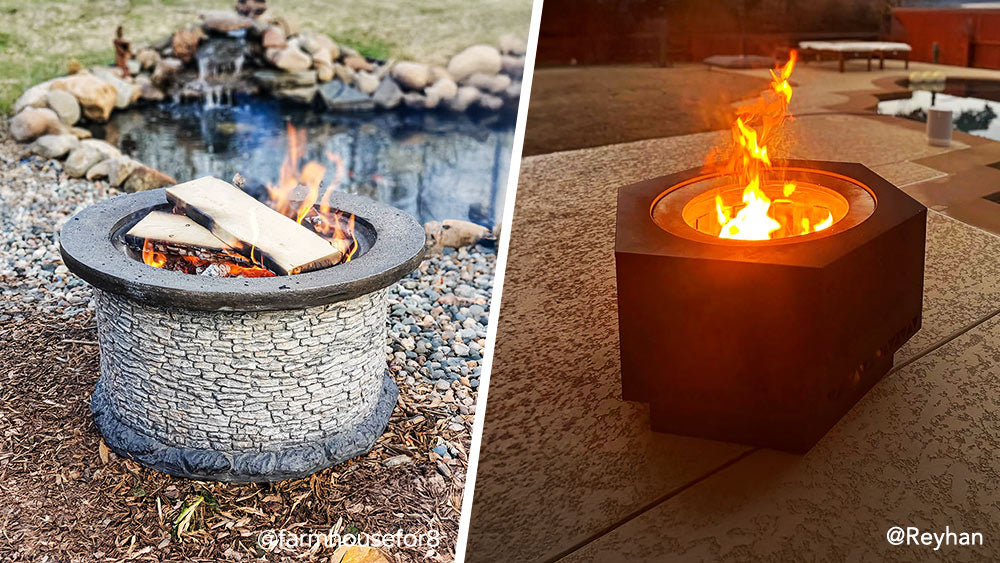
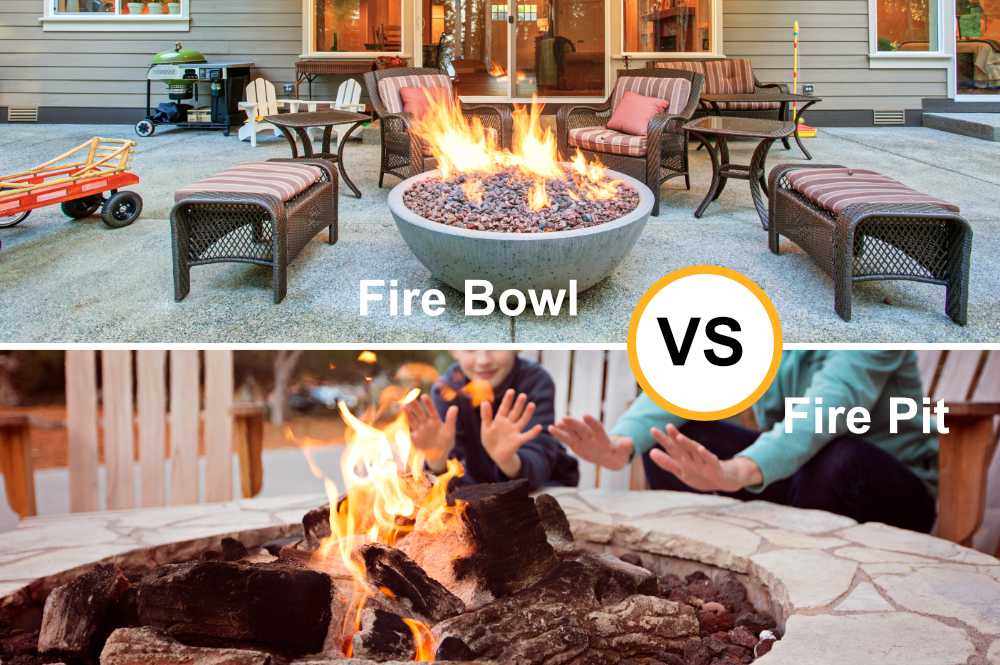
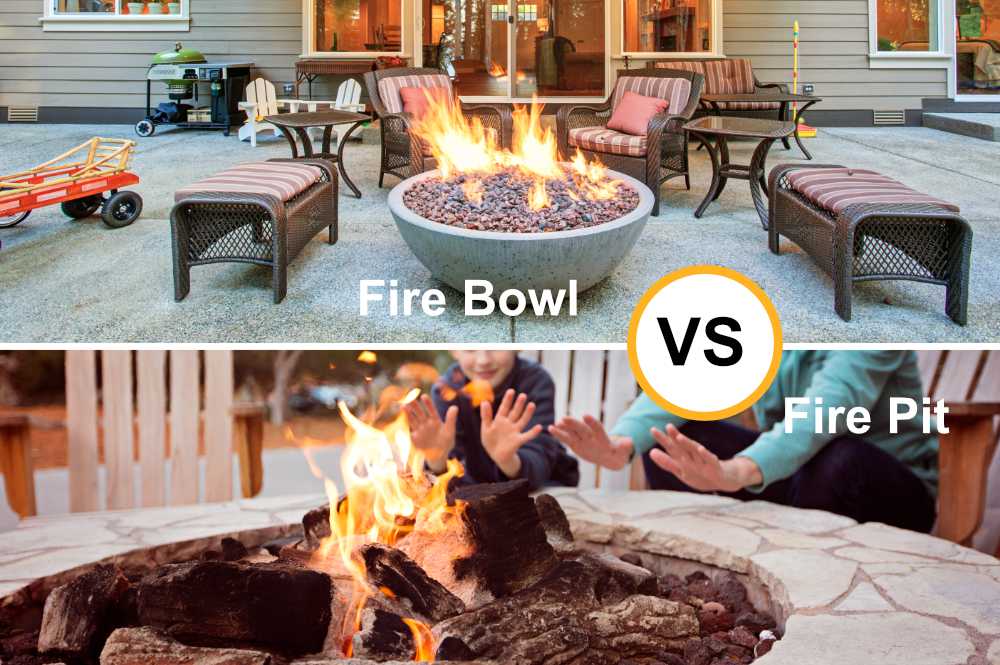
Fire bowls have evolved from simple fire pits to sophisticated focal points. The options available are diverse, catering to different needs and preferences. The three main types are wood-burning, propane, and natural gas. Wood-burning bowls offer a classic aesthetic and the crackling sound many find appealing, but require more maintenance and produce more smoke. Propane bowls are incredibly convenient, offering instant ignition and adjustable flame control, although they rely on a fuel tank.
Natural gas bowls, if you have a gas line, provide the ultimate convenience – no wood to chop or tanks to refill. However, installation can be more complex and costly. Each fuel type has an environmental impact to consider. Wood burning releases particulates, while propane and natural gas are fossil fuels. The aesthetic differences are also significant. Wood-burning bowls often have a rustic charm, while propane and gas options can range from modern and minimalist to classic and ornate.
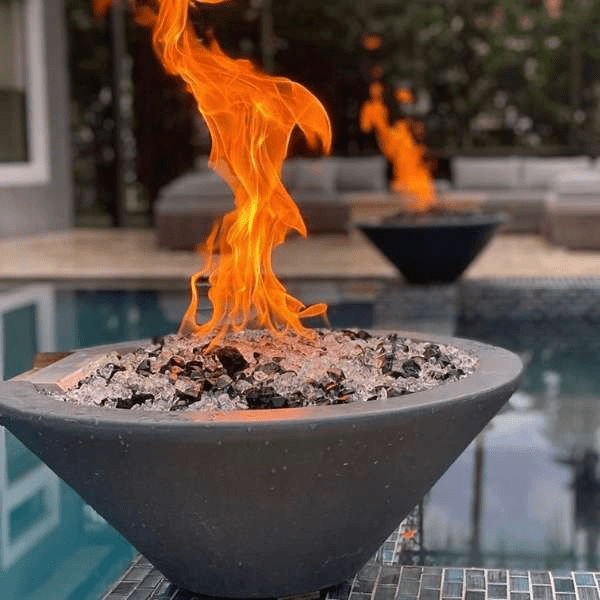
Copper is the premium choice because it develops a green patina that looks better with age. Steel is the budget-friendly alternative, though it requires a cover to prevent rust. For a permanent, industrial feel, concrete is the standard. I'm seeing more 36-inch bowls this year; they act as a heavy anchor for the seating area rather than just a small accessory.
When choosing a fire bowl, size and shape are key considerations. A larger bowl is better suited for a spacious backyard, while a smaller bowl might be more appropriate for a cozy patio. The shape should complement the overall design of the space. Round bowls create a more intimate atmosphere, while square or rectangular bowls offer a more modern look. Consider the surrounding space and how the bowl will integrate into the existing landscape.
Fire Bowl & Torch Combination Decision Matrix: 2026 Trends
| Feature | Wood-Burning | Propane | Natural Gas |
|---|---|---|---|
| Ease of Use | Requires skill to start & maintain | Simple ignition, adjustable flame | Convenient ignition, consistent flame |
| Initial Cost | Generally lowest upfront investment | Moderate initial cost | Highest initial cost due to installation |
| Ongoing Cost | Fuel costs vary; wood sourcing needed | Propane tank refills required | Dependent on natural gas utility rates |
| Aesthetic Flexibility | Classic, rustic appeal; smoke adds ambiance | Clean-burning, modern designs available | Seamless integration with outdoor kitchens |
| Environmental Impact | Produces smoke and particulate matter | Lower emissions than wood, still uses fossil fuels | Generally considered cleaner burning than propane or wood |
| Maintenance | Requires ash removal and cleaning | Occasional burner cleaning | Professional inspection recommended annually |
| Safety | Requires careful fire management; spark risk | Lower spark risk, but flammable fuel storage | Generally safest option with proper installation |
Illustrative comparison based on the article research brief. Verify current pricing, limits, and product details in the official docs before relying on it.
Torch styles that actually look good
The world of outdoor torches has expanded significantly beyond the traditional tiki torch. While tiki torches still hold a place in some designs, particularly those leaning into a tropical or Polynesian aesthetic, there’s a growing demand for more sophisticated and versatile options. Sleek metal torches, often crafted from stainless steel or brushed aluminum, are becoming increasingly popular, offering a modern and minimalist look.
Many newer torches integrate with smart home systems, allowing for remote control of the flame and even automated scheduling. These smart torches often utilize propane or oil as fuel. Fuel types are a key consideration. Citronella torches are effective at repelling insects, but the flame is typically smaller and the aesthetic is more utilitarian. Propane and oil torches offer a larger, more visually appealing flame, but don’t provide the same level of insect control.
Placement is critical. Torches can be used to create pathways, guiding guests through the space. They can also be used to highlight architectural features, such as columns or arches. Defining zones – a dining area, a seating area, a bar area – with strategically placed torches can enhance the functionality and visual appeal of the space. I’m seeing a lot of people using torches not just for their practical purpose, but as a deliberate design element.
The shift reflects a broader trend towards treating outdoor spaces with the same level of design consideration as indoor spaces. It’s no longer enough to simply provide lighting; the lighting itself needs to be aesthetically pleasing and contribute to the overall ambiance. The goal is to create a cohesive and inviting atmosphere that extends the living space beyond the walls of the house.
Trending Combinations: 5 Looks for 2026
Combining fire bowls and torches effectively is where the real magic happens. Here are five trending combinations for 2026, each designed to create a distinct aesthetic.
Coastal Calm: A concrete fire bowl, approximately 36 inches in diameter, paired with four brushed stainless steel torches with a wave-like design. The color palette focuses on blues, grays, and whites, with natural textures like driftwood and linen. Complementary decor includes comfortable wicker furniture and seashells. This look evokes a relaxed beachside vibe.
Rustic Retreat: A blackened steel fire bowl with a wood grain texture, combined with six copper torches featuring a classic lantern design. The color palette centers around warm browns, reds, and oranges, with natural materials like wood and stone. Think Adirondack chairs, a plaid throw blanket, and a rustic wooden table. This combination creates a cozy and inviting atmosphere.
Modern Minimalist: A square, propane-fueled fire bowl with a clean, geometric design, paired with four sleek, black metal torches with a simple, cylindrical shape. The color palette is monochromatic – blacks, grays, and whites – with a focus on clean lines and minimalist furniture. This look is perfect for a contemporary outdoor space.
Bohemian Nights: A round, mosaic-tiled fire bowl combined with a mix of colorful, glass-encased torches in varying heights and shapes. The color palette is vibrant and eclectic, with rich jewel tones and bold patterns. Think Moroccan-inspired rugs, comfortable floor cushions, and plenty of plants. This look creates a playful and inviting atmosphere.
Desert Oasis: A natural gas fire bowl with a low profile and a weathered stone finish, paired with four tall, slender torches made from dark metal with a hammered texture. The color palette focuses on earthy tones – terracotta, sand, and sage green – with natural materials like cacti and succulents. This combination evokes a sense of tranquility and serenity.
How to light for the perfect shot
Arranging fire bowls and torches for optimal photography requires a thoughtful approach. Layering light is key – combining the warm glow of the fire bowl with the flickering flames of the torches creates depth and dimension. Avoid harsh shadows by diffusing the light with strategically placed plants or screens.
Use light to highlight focal points, such as a comfortable seating area or a beautiful piece of outdoor art. Creating a sense of intimacy is also important. Position torches to cast a warm glow on faces and create a cozy atmosphere. Consider using different flame heights to add visual interest. The golden hour (the hour after sunrise and the hour before sunset) and the blue hour (the hour before sunrise and the hour after sunset) offer the most flattering light for outdoor photography.
Experiment with different camera angles. A low angle can emphasize the height of the torches and the size of the fire bowl, while a high angle can capture the overall layout of the space. Use a tripod to ensure sharp images, especially in low-light conditions. I think understanding how light interacts with different surfaces – wood, stone, metal – is crucial for capturing the perfect shot. Remember to adjust your camera settings to compensate for the warm tones of the firelight.
Safety First: Fire and Fuel Considerations
Fire safety is paramount when using fire bowls and torches. Always keep flammable materials – furniture, plants, dry leaves – at a safe distance from the flames. Have a fire extinguisher or a bucket of water readily available in case of emergencies. Be aware of wind conditions; strong winds can spread embers and increase the risk of fire.
Keep propane tanks in the shade and away from the house. Never pour fuel into a hot torch—wait ten minutes for it to cool down. Check your local city ordinances before installing a gas line, as some zones have strict clearance requirements for open flames.
No comments yet. Be the first to share your thoughts!