
Fire bowls vs. tiki torches
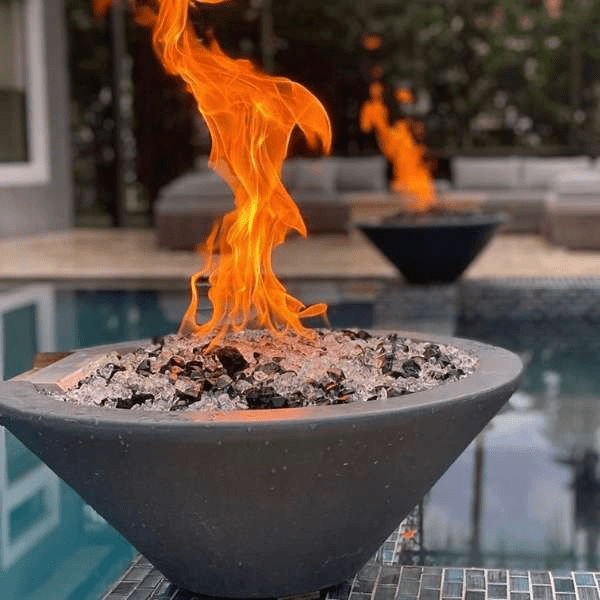
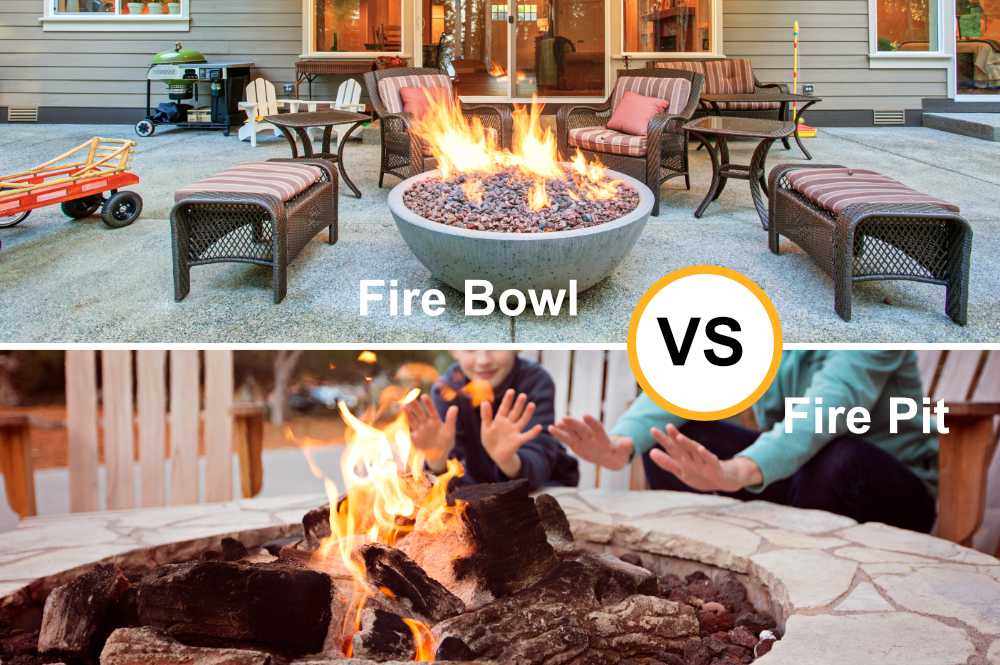
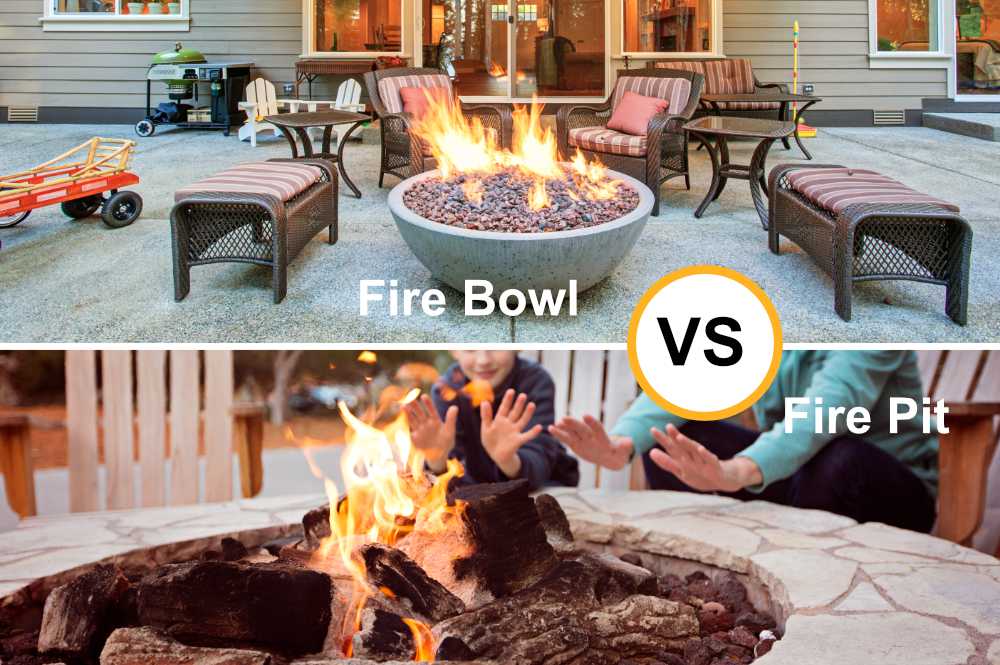
Fire bowls have replaced the clunky stone pits of the past. They offer a way to get a fire going without digging up the yard or committing to a permanent masonry project.
The modern fire bowl represents a shift in how we approach outdoor living. It’s a move away from purely functional spaces towards creating inviting, comfortable extensions of our homes. Unlike traditional fire pits, which often require significant construction and permanent placement, fire bowls offer flexibility and aesthetic appeal. They're also distinct from tiki torches, which, while charming, often provide limited heat and a more localized flame.
This growing popularity stems from a desire for year-round usability. A well-designed fire bowl can extend the outdoor season, providing warmth on cool evenings and creating a cozy ambiance for entertaining. They're becoming a staple in backyards, patios, and gardens, offering a sophisticated alternative to older models. But this extended use means weather resistance is paramount – a beautiful bowl that rusts through after one season isn't a worthwhile investment.
The aesthetic versatility is also a major draw. Fire bowls come in a wide range of styles, from sleek and modern to rustic and natural, complementing diverse outdoor décor schemes. They’re no longer just about function; they’re about enhancing the overall look and feel of an outdoor space.
Choosing the right material
The longevity of a fire bowl is directly tied to the materials used in its construction. Several options are available, each with its own strengths and weaknesses when exposed to the elements. Stainless steel is a popular choice, but not all stainless steels are created equal. Grades 304 and 316 are commonly used; 316 offers superior corrosion resistance, particularly in coastal environments with salt spray.
Copper is another attractive material, known for its warm color and natural patina. It’s highly resistant to corrosion, but it's also significantly more expensive than steel. Over time, copper will develop a green patina, which some find desirable, but others might see as requiring maintenance. Cast aluminum is lightweight and rust-proof, making it a good option for portability, but it’s generally less durable than steel or copper.
Powder-coated steel offers a good balance of cost and durability. The powder coating provides a protective layer against rust, but its effectiveness depends on the quality of the coating and the climate. UV exposure can cause fading and chipping over time, so a high-quality, UV-resistant powder coat is essential. Regular inspection and touch-ups may be necessary, especially in sunny climates.
Your local weather dictates what you should buy. If you live near the ocean, salt air will eat through cheap steel in a single season—stick to 316 stainless or copper. In the desert, the sun is the main enemy, cracking low-quality finishes, while snowy regions need heavy-duty builds that won't warp during a freeze-thaw cycle.
- 304 Stainless Steel: A solid middle-ground that resists rust in most backyards but might struggle in salty air.
- Stainless Steel (316): Excellent corrosion resistance, ideal for coastal areas, more expensive.
- Copper: Highly corrosion resistant, develops patina, expensive.
- Cast Aluminum: Lightweight, rust-proof, less durable.
- Powder-Coated Steel: Cost-effective, requires maintenance, quality of coating is key.
Material Comparison: Weather Resistance & Performance for Fire Bowls
| Material | Rust Resistance | Durability | Weight | Cost | Aesthetic Versatility | Best For |
|---|---|---|---|---|---|---|
| Stainless Steel | Excellent | Excellent | Medium | Medium | High | Coastal/Humid Climates |
| Copper | Excellent | Excellent | Heavy | High | High | Dry/Moderate Climates |
| Cast Aluminum | Good | Good | Medium | Medium | Medium | Temperate Climates |
| Powder-Coated Steel | Good | Good | Heavy | Low | Medium | Dry Climates (requires maintenance) |
| Carbon Steel (Untreated) | Poor | Fair | Heavy | Low | Low | Not Recommended for Outdoor Use |
| Weathering Steel | Good | Excellent | Heavy | Medium-High | Medium | Areas with Distinct Seasons |
Illustrative comparison based on the article research brief. Verify current pricing, limits, and product details in the official docs before relying on it.
Fuel Types: Gas vs. Wood
Choosing between a gas-powered and wood-burning fire bowl is a fundamental decision. Gas fire bowls offer unparalleled convenience. They ignite instantly, provide adjustable flame heights, and don’t require the sourcing, storing, or cleaning up of wood. This makes them ideal for spontaneous gatherings and those who value ease of use.
Wood-burning fire bowls, on the other hand, deliver a more traditional and arguably more romantic experience. The crackling sound and natural scent of burning wood create a unique ambiance that many find appealing. However, they require more effort – sourcing wood, building a fire, and managing embers. Local regulations may also restrict wood-burning in certain areas.
Propane is the most common fuel source for gas fire bowls, offering readily available fuel and a relatively clean burn. Natural gas is an alternative, but it requires a dedicated gas line and isn't suitable for all locations. Both options provide consistent heat output and are easily controllable. Safety is paramount with both fuel types; always follow manufacturer’s instructions and never leave a fire unattended.
Ultimately, the best fuel type depends on your lifestyle and preferences. If convenience and ease of use are priorities, gas is the way to go. If you appreciate the ambiance and sensory experience of a wood fire, and are willing to put in the extra effort, a wood-burning bowl might be a better fit.
- Gas (Propane): Convenient, instant on, adjustable flame, requires fuel tank.
- Gas (Natural Gas): Convenient, continuous fuel supply, requires gas line.
- Wood: Traditional ambiance, requires fuel sourcing and maintenance, potential local restrictions.
Top 10 Weather-Resistant Fire Bowls (2026)
The market for weather-resistant fire bowls is expanding rapidly, with numerous options available at various price points. After extensive research, considering materials, fuel type, and user reviews, here are ten standout models for 2026. Prices are based on current Amazon.com and Outdoorfireandpatio.com listings as of November 2025.
1. Bali Outdoors Gas Fire Pit Table: ($299, Amazon) This popular option features a slate tile top and a stainless steel burner. It’s propane-fueled and includes lava rocks for an authentic look. Pros: Affordable, stylish, easy to assemble. Cons: Can be prone to rust if not properly maintained, moderate BTU output (40,000).
2. Real Flame Sierra 28-Inch Propane Fire Bowl: ($349, Outdoorfireandpatio.com) Constructed from durable magnesium oxide, this bowl offers a modern aesthetic. Pros: Lightweight, weather-resistant, contemporary design. Cons: Limited color options, requires a propane tank.
3. Hampton Bay Linden 28-Inch Fire Pit: ($399, Amazon) A classic design made from heavy-duty steel with a bronze finish. Pros: Durable, affordable, provides substantial heat. Cons: Can be heavy to move, may require occasional touch-ups to prevent rust.
4. Easy FirePits Copper Fire Bowl: ($499, Easyfirepits.com) A premium option crafted from solid copper. It offers exceptional corrosion resistance and a beautiful patina. Pros: Highly durable, aesthetically pleasing, long-lasting. Cons: Expensive, requires regular polishing to maintain shine.
5. Outland Living 800 Series Fire Bowl: ($449, Amazon) This portable propane fire bowl features a ceramic tile tabletop and a steel frame. Pros: Portable, stylish, easy to use. Cons: Ceramic tile can be susceptible to cracking in extreme temperatures.
6. Blue Rooster Outdoor Living Fire Pit Bowl: ($279, Amazon) A simple, yet effective design made from steel with a black powder coat finish. Pros: Affordable, lightweight, easy to assemble. Cons: Powder coat may chip over time, requires regular maintenance.
7. Christopher Knight Home Sedona Fire Pit: ($329, Amazon) This fire bowl features a hammered copper finish and a steel frame. Pros: Unique aesthetic, durable construction, provides ample heat. Cons: Can be prone to rust if not properly protected.
8. Plowhearth Fire Pit Bowl: ($379, Outdoorfireandpatio.com) An elegant fire bowl with a bronze patina finish and a steel construction. Pros: Stylish, durable, provides consistent heat. Cons: Can be heavy to move, may require occasional cleaning.
9. Enders Audio 28-Inch Propane Fire Bowl: ($599, Amazon) This fire bowl features a built-in Bluetooth speaker for added entertainment. Pros: Integrated audio, stylish design, durable construction. Cons: Expensive, speaker quality could be improved.
10. Bond Manufacturing 60-Inch Oval Fire Pit Table: ($699, Amazon) A large-format fire pit table with a stainless steel burner and a slate tile top. Pros: Spacious, stylish, provides ample heat. Cons: Expensive, requires significant space.
Featured Products

43-inch rectangular propane fire pit table · 50,000 BTU heat output · Includes lid and waterproof cover
This large-capacity propane fire pit table offers substantial heat output and comes equipped with essential accessories for immediate use and protection.

High-performance cast concrete construction · Propane fuel source · Bowl design for focused heat and ambiance
The Elementi Lunar Bowl provides a sophisticated, durable concrete design with high performance, suitable for users prioritizing both aesthetics and functionality.

30-inch gas outdoor fire pit table · Resin mantel for a finished look · Propane fueled for convenience
This fire pit table offers a classic design with a practical resin mantel, providing a stylish and functional centerpiece for outdoor gatherings.

30-inch square propane fire pit table · 30,000 BTU heat output · Push-button ignition for easy startup
Featuring a 30,000 BTU burner and decorative blue fire glass, this model offers a balance of performance, ease of use, and visual appeal.
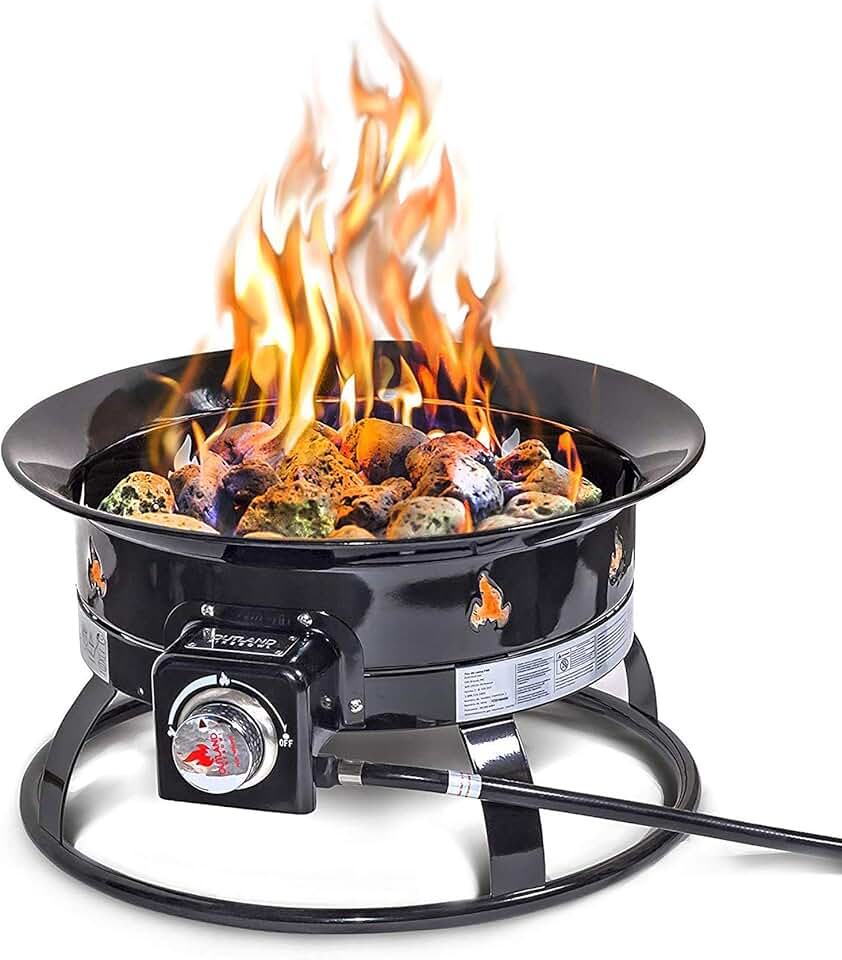
19-inch portable propane fire pit · 58,000 BTU high heat output · Smokeless design
The Outland Living portable fire pit delivers exceptional heat output in a compact, smokeless design, making it ideal for travel and various outdoor activities.
As an Amazon Associate I earn from qualifying purchases. Prices may vary.
New tech for 2026
The fire bowl market is seeing a wave of innovation, moving beyond basic heating to incorporate smart features and enhanced aesthetics. Wi-Fi connectivity is becoming increasingly common, allowing users to control flame height, lighting, and even audio via a smartphone app. This level of control adds a layer of convenience and personalization.
Burner designs are also evolving. Linear burners, creating a long, contemporary flame, are gaining popularity alongside the traditional circular designs. Some manufacturers are experimenting with multi-ring burners, offering a more dynamic and visually appealing flame pattern. Integrated lighting, often utilizing LED technology, is another growing trend, allowing users to customize the ambiance.
Material science is also contributing to advancements. New alloys are offering improved corrosion resistance and durability, while innovative coatings are providing enhanced protection against UV exposure and chipping. We're also seeing a greater emphasis on sustainable materials, with some manufacturers exploring the use of recycled metals and eco-friendly finishes.
The combination of these features is creating a more immersive and enjoyable outdoor experience. Fire bowls are no longer just about providing warmth; they’re about creating a focal point for relaxation, entertainment, and connection.
Installation and Safety Considerations
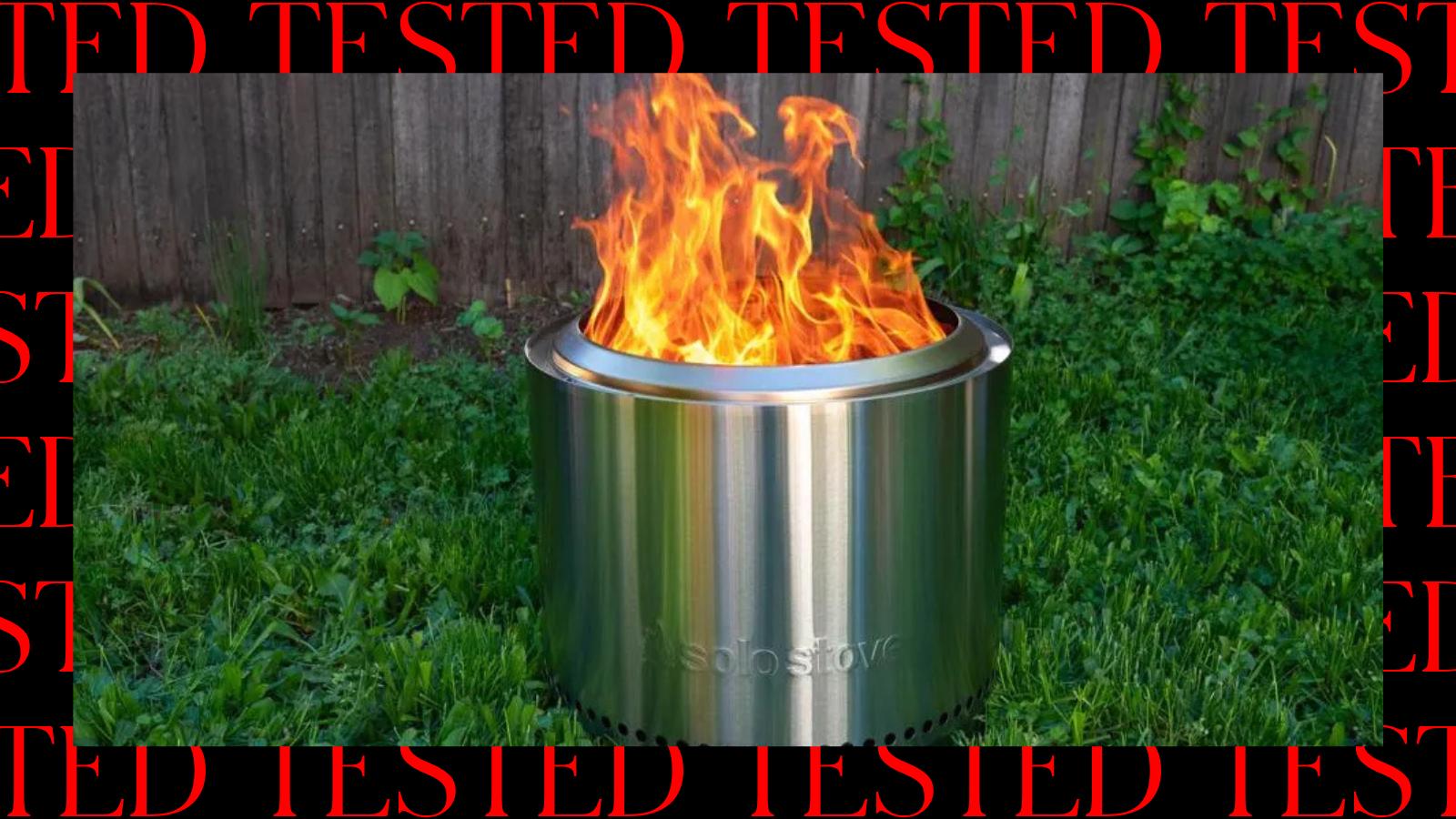
Proper installation is crucial for the safe and efficient operation of a fire bowl. Always consult the manufacturer’s instructions for specific guidelines. Ensure the fire bowl is placed on a level, non-combustible surface, such as concrete, stone, or gravel. Maintain a minimum clearance of at least 10 feet from structures, overhanging trees, and flammable materials.
For gas-powered fire bowls, proper gas line connection is essential. If you’re not comfortable working with gas lines, hire a qualified professional. Always check for leaks using a soapy water solution before igniting the fire bowl. Ensure adequate ventilation to prevent the buildup of carbon monoxide.
Safety precautions are paramount. Never leave a fire bowl unattended. Keep children and pets at a safe distance. Have a fire extinguisher or a bucket of sand readily available in case of emergencies. Be mindful of wind conditions, as strong winds can spread embers.
It’s also essential to check local regulations and building codes regarding outdoor fire features. Some municipalities may have restrictions on open flames or require permits. Ignoring these regulations can result in fines or legal issues.
- Place on a level, non-combustible surface.
- Maintain 10ft clearance from structures.
- Check gas lines for leaks (if applicable).
- Never leave unattended.
- Keep children and pets at a safe distance.
Maintenance and Longevity
Regular maintenance is key to extending the life of your fire bowl. Cleaning procedures vary depending on the material. Stainless steel can be cleaned with a mild soap and water solution. Copper requires occasional polishing to maintain its shine. Powder-coated steel should be inspected for chips and touched up as needed.
Rust prevention is crucial, especially in humid climates. Apply a rust inhibitor to steel components regularly. For wood-burning fire bowls, remove ashes after each use to prevent corrosion. Proper winter storage is also important. Cover the fire bowl with a waterproof cover to protect it from the elements.
Common problems include burner clogs, gas leaks, and corrosion. If you encounter a burner clog, use a wire brush to clear any obstructions. If you suspect a gas leak, immediately shut off the gas supply and contact a qualified professional. Address corrosion promptly to prevent further damage.
By following these maintenance tips, you can ensure years of enjoyment from your fire bowl. A little preventative care goes a long way in preserving its beauty and functionality.

No comments yet. Be the first to share your thoughts!