
Fire Bowls & Pits: A Visual Comparison
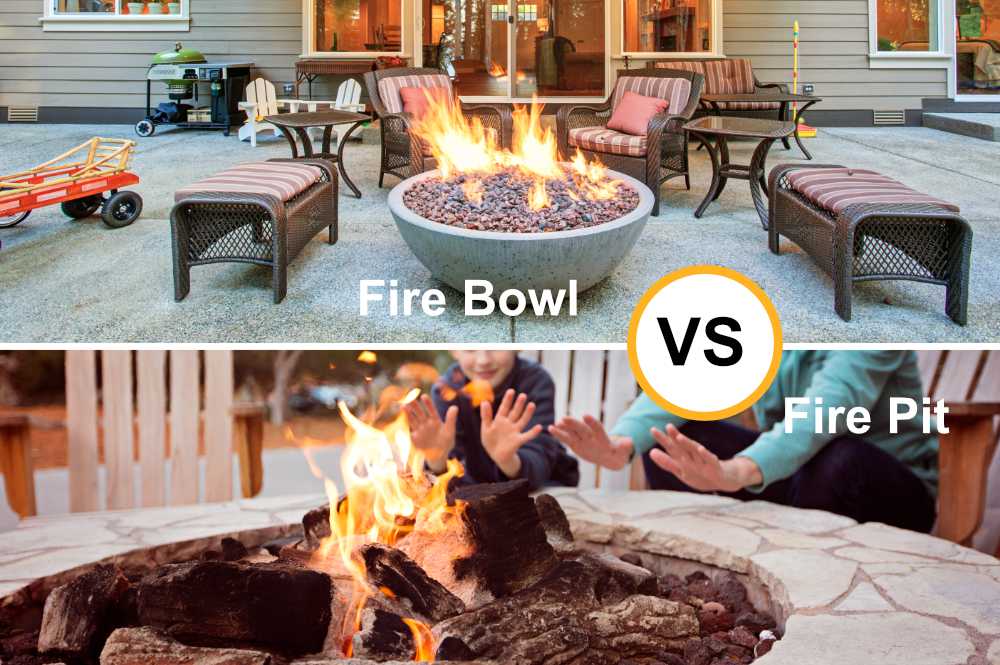
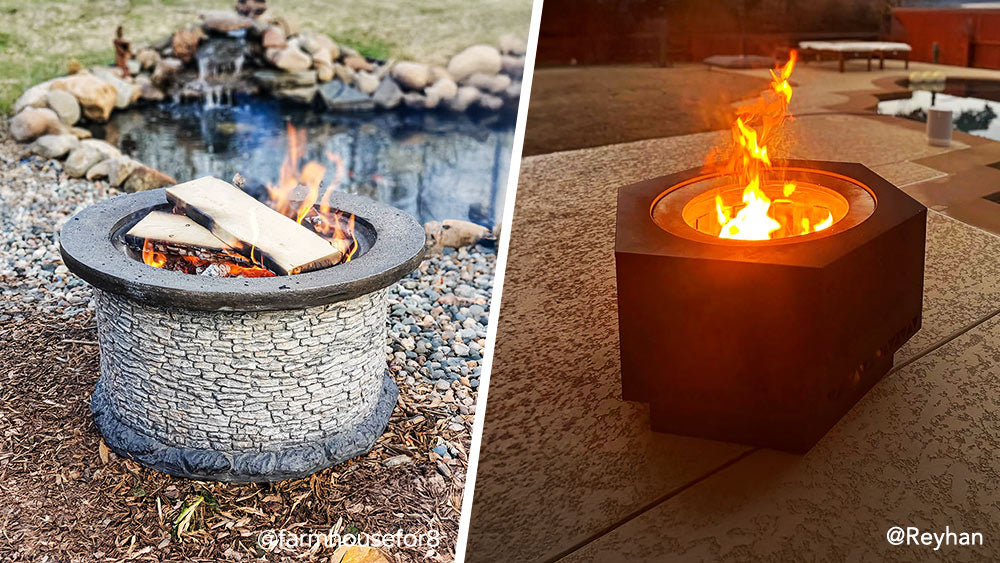
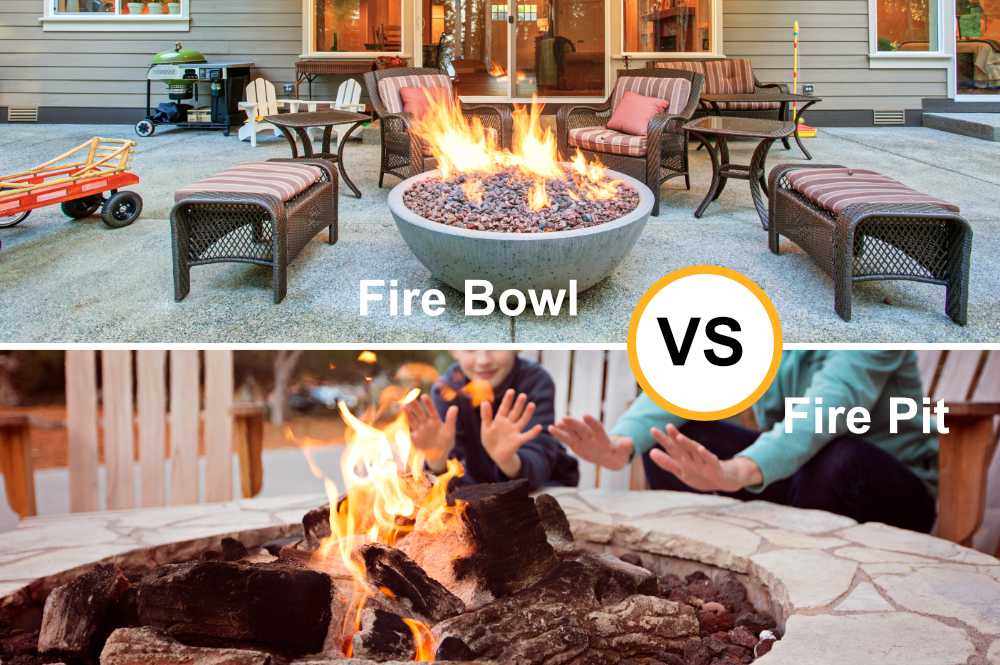
When you picture a cozy backyard gathering, what comes to mind? For many, it’s the crackling warmth of a fire. But the way that fire is presented – in a traditional fire pit or a modern fire bowl – significantly impacts the overall vibe. Traditional fire pits often evoke a rustic, natural feeling. Think stacked stone, a circular shape, and the scent of wood smoke. They feel classic and inviting.
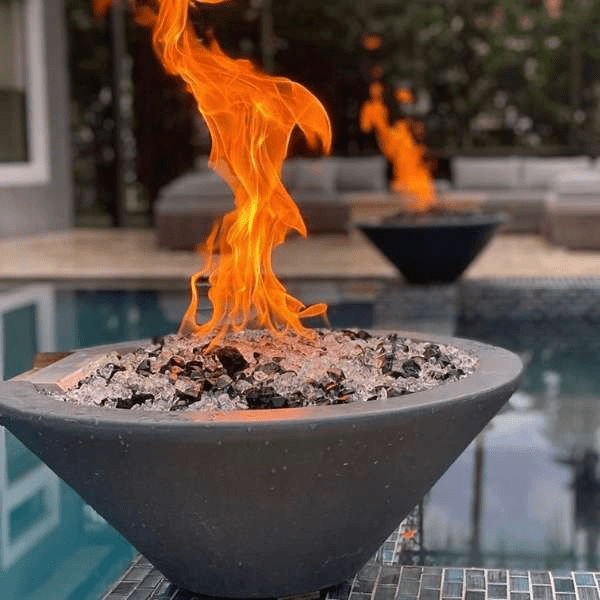
Fire bowls, on the other hand, lean towards a more contemporary aesthetic. They’re typically sleek, often made of metal, and can range from minimalist spherical designs to more angular, geometric shapes. They present a cleaner look, and their design often feels more intentional, like a piece of outdoor art. Ultimately, the "better" look is entirely subjective.
Personal preference is huge here. If your outdoor space is designed with a natural, organic feel, a stone fire pit will likely complement it better. But if you’re going for a modern, streamlined look, a fire bowl will probably be a better fit. Consider the architecture of your home and the surrounding landscape when making your choice. Don't be afraid to look at examples online to get a sense of what appeals to you most.
It’s also worth thinking about the scale of your space. A large, elaborate fire pit might overwhelm a small patio, while a compact fire bowl could get lost in a vast backyard. Think about how the fire feature will integrate with your existing furniture and landscaping. Do you want it to be a focal point, or a more subtle element?
Fuel & Fire: The Core Differences
The most fundamental difference between fire bowls and pits lies in their fuel source. Traditional fire pits overwhelmingly rely on wood – whether it's seasoned hardwood, pine, or even fallen branches. This offers a certain charm and authenticity, but it also comes with practical considerations. Wood needs to be sourced, stored, and chopped (or purchased pre-cut). It creates smoke, ash, and requires more active tending.
Fire bowls, in contrast, primarily run on propane or natural gas. Increasingly, you’ll also find options fueled by ethanol, though these are less common. Gas offers significant convenience. There's no wood to haul, no ash to clean up, and you can typically adjust the flame with a simple turn of a valve or, with smart models, through an app. The burn is also generally cleaner, producing less smoke and fewer embers.
Startup time is another key difference. Getting a wood fire going can take time and effort – building a teepee, adding kindling, and patiently waiting for it to catch. Gas fire bowls ignite almost instantly. Adjusting the flame is also much easier with gas; you have precise control over the heat output, whereas a wood fire is more variable and requires constant adjustment of the wood.
Long-term cost is a bit more complex. While wood can be relatively inexpensive if you have access to a free supply, the ongoing effort of gathering or buying it shouldn’t be ignored. Propane and natural gas have their own costs, which fluctuate with market prices. Initial setup costs tend to be higher for gas fire bowls due to the need for a gas line or propane tank, but the reduced maintenance can offset this over time.
Smart Features: Beyond the Flame
The term "smart fire bowl" really started gaining traction around 2024, and 2026 models are pushing the boundaries even further. These aren't just fire features; they're integrated outdoor entertainment hubs. The most common smart feature is Wi-Fi connectivity, allowing you to control the fire bowl via a smartphone app. This means you can adjust the flame height, turn the fire on or off, and even set timers – all from the comfort of your couch.
Integrated lighting is another popular addition. Many smart fire bowls include LED lights that can be customized to create different moods. You can often choose from a range of colors and patterns, and some models even sync the lights to music. But is it a gimmick? I think it can add to the ambiance, but it’s not a necessity.
Safety features are a significant benefit of smart technology. Automatic shut-off valves can detect gas leaks or overheating and automatically turn off the fire. Temperature sensors can prevent the fire bowl from getting too hot. These features provide peace of mind, especially if you have children or pets.
Some models take things even further with built-in Bluetooth speakers, allowing you to stream music directly from your smartphone or tablet. This can create a really immersive outdoor experience, but it also adds to the cost and complexity. It's important to consider whether you'll actually use these features before investing in a smart fire bowl.
Here are some popular options available on Amazon as of late 2025:
• Endless Summer KP-FFB24-NG Propane Fire Bowl: A good entry-level smart option with app control and adjustable flame.
• Bali Outdoors Gas Fire Pit Table with Auto-Ignition: Offers a combination of fire bowl and table functionality with smart features.
• Bond 50” Steel Wood Look Propane Fire Pit Table: A stylish option with a wood-look finish and integrated LED lighting.
Featured Products

40-inch diameter for ample space · Includes a poker for fire management · Features a built-in grill grate for cooking
This large, wood-burning fire pit offers a classic outdoor experience with the added bonus of a grill, perfect for those who enjoy cooking over an open flame.
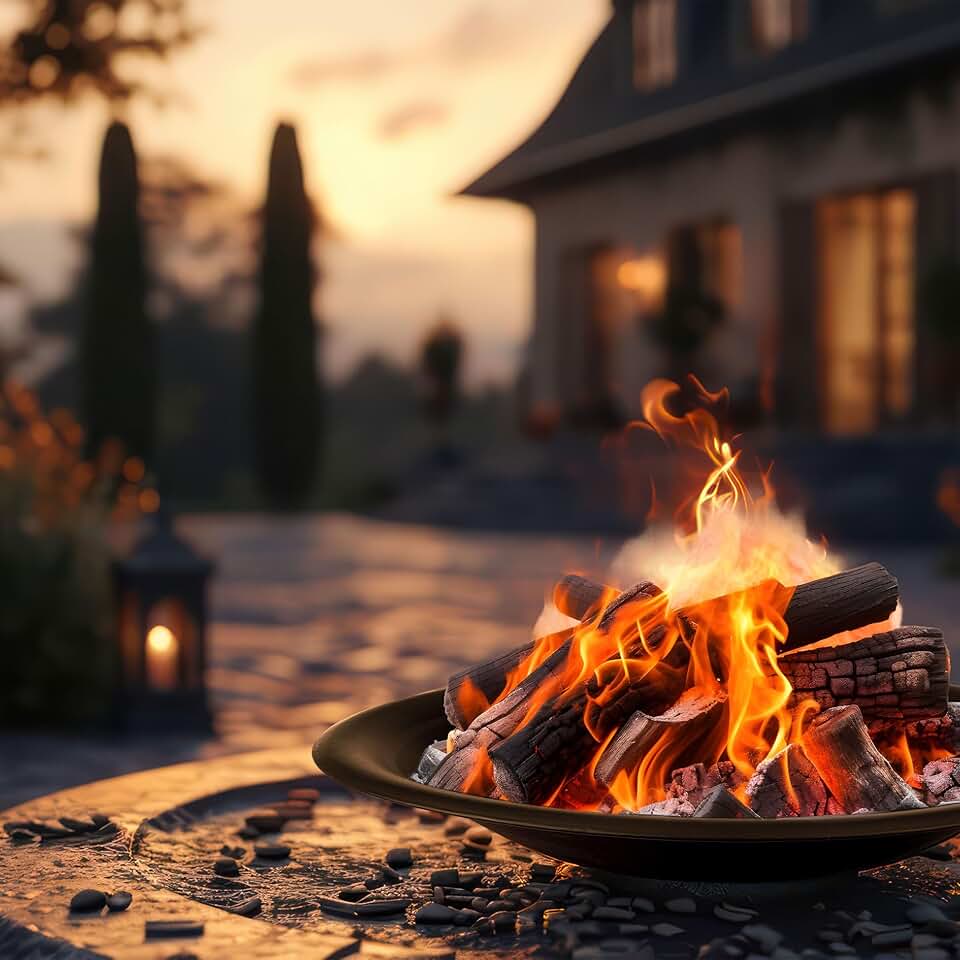
24-inch diameter insert · High-temperature finish for durability · Ideal for DIY fire ring projects or as a replacement part
A budget-friendly option for DIY enthusiasts or those looking to upgrade an existing fire pit, this insert provides a sturdy base for a wood-burning fire.
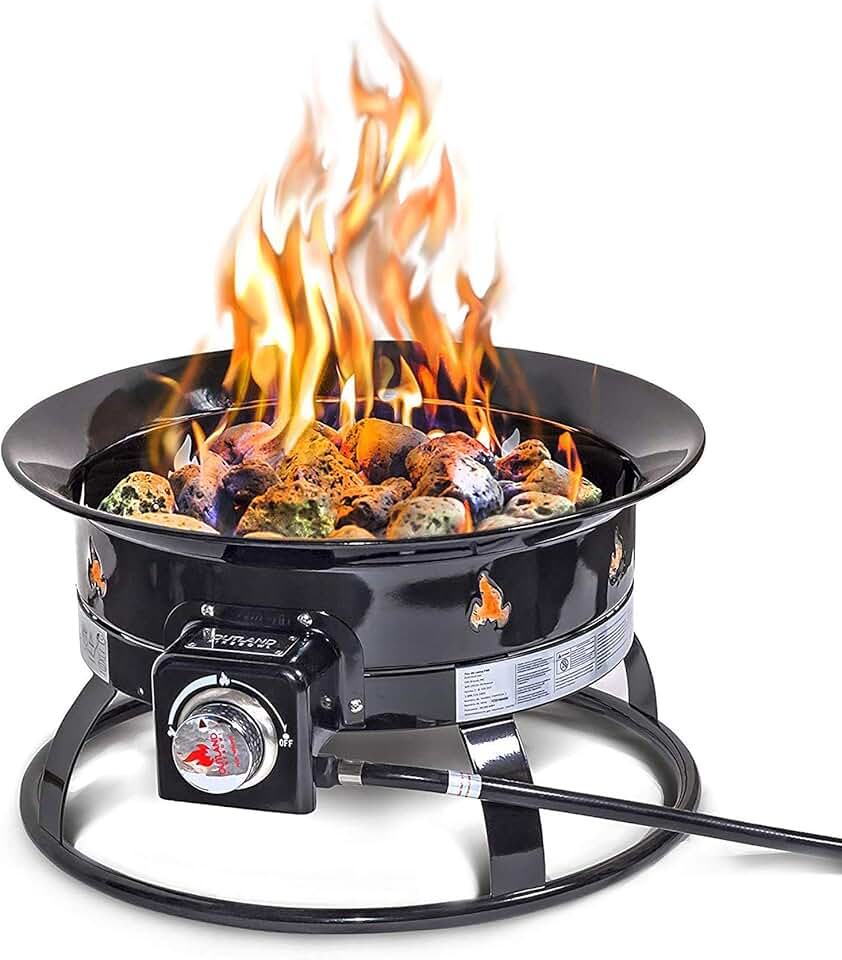
Portable and lightweight design · Smokeless propane flame · Includes cover and carry kit for easy transport
This portable propane fire pit is a fantastic choice for on-the-go warmth and ambiance, offering a smokeless flame and convenient carrying case for any adventure.
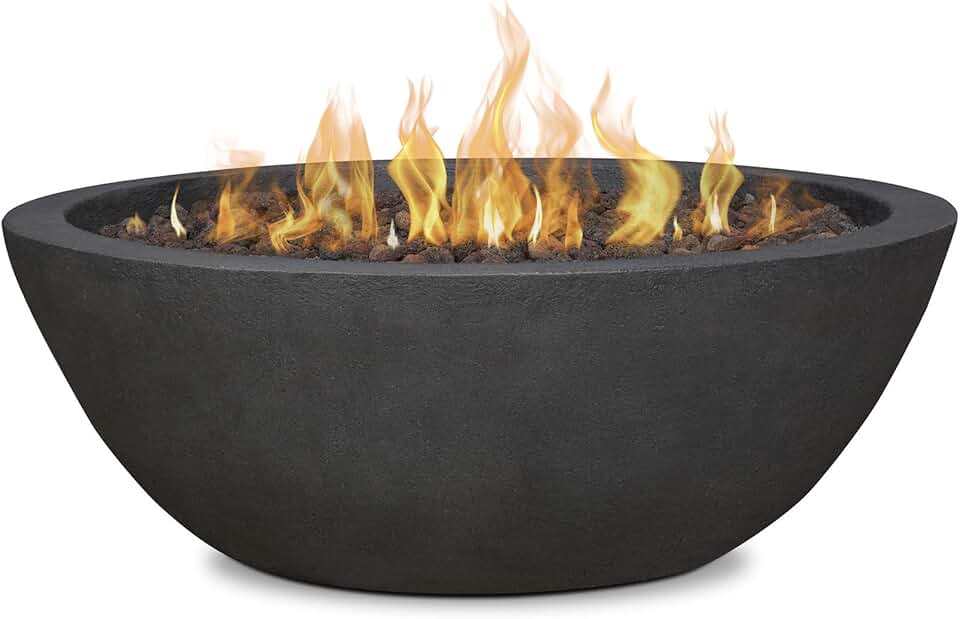
36-inch size with a stylish shale finish · Can be used with propane or natural gas (conversion kit included) · Features push-button ignition and durable stainless steel burners
For a sophisticated and versatile outdoor heating solution, this gas fire pit offers the convenience of both propane and natural gas options with a sleek design.

28-inch propane fire pit table with RGB lighting · App control for adjustable flame and music-sync lighting · CSA-listed for safety and includes lava rock
This smart fire pit table elevates your outdoor space with its integrated RGB lighting, app control, and music synchronization, offering a modern and interactive ambiance.
As an Amazon Associate I earn from qualifying purchases. Prices may vary.
Installation & Space Requirements
Setting up a traditional fire pit can be a more involved process than installing a fire bowl. Many pits require digging a hole, creating a level base, and building a surround with stone or brick. Proper ventilation is crucial to ensure safe operation and prevent smoke from blowing into your house. You’ll also need to consider local regulations and obtain any necessary permits.
Fire bowls are generally easier to install, especially those designed to connect to existing natural gas lines. Propane models require connecting a propane tank, which is a relatively straightforward process. However, it’s still important to follow the manufacturer’s instructions carefully and ensure that all connections are secure. Always check for gas leaks after installation.
Clearances from structures and flammable materials are critical for both fire pits and bowls. Consult the manufacturer’s instructions for specific recommendations, but as a general rule, you should maintain a safe distance of at least 10 feet from any combustible materials. This includes fences, trees, decks, and overhanging branches.
Here's a quick installation checklist to keep in mind:
• Check local regulations: Ensure your fire feature complies with all local codes and ordinances.
• Prepare the site: Create a level, stable base for the fire pit or bowl.
• Ensure proper ventilation: Provide adequate airflow to prevent smoke buildup.
• Maintain clearances: Keep a safe distance from flammable materials.
• Inspect connections: Check for gas leaks after installation (for gas models).
Cost Breakdown: Upfront & Ongoing
The cost of a backyard fire feature can vary widely depending on the type, size, and features. Traditional fire pits can range from under $100 for a simple DIY project to several thousand dollars for a professionally built stone installation. The cost of materials – stone, brick, concrete – can add up quickly. Labor costs will also be significant if you hire a contractor.
Smart fire bowls generally have a higher upfront cost than traditional pits, typically starting around $500 and going up to $2,000 or more for premium models. The added cost is due to the integrated technology – Wi-Fi connectivity, app control, and smart sensors. Installation costs can also be higher if you need to run a gas line.
Ongoing fuel costs are an important consideration. Wood prices vary depending on your location and the type of wood you choose. Propane and natural gas prices also fluctuate. You’ll also need to factor in the cost of maintenance, such as cleaning supplies and replacement parts.
Here’s a rough cost breakdown:
• Traditional Fire Pit (DIY): $100 - $500 (materials only)
• Traditional Fire Pit (Professionally Installed): $1,000 - $5,000+
• Smart Fire Bowl: $500 - $2,000+
• Propane Refills: $20 - $50 per tank
• Wood (per cord): $100 - $300 (depending on type and location)
Maintenance & Longevity
Maintaining a wood-burning fire pit involves regular cleaning of ash and debris. You'll need to remove the ashes after each use to prevent them from building up and potentially creating a fire hazard. You should also inspect the fire pit for cracks or damage and make any necessary repairs. Wood pits require more frequent attention than gas models.
Gas fire bowls require less maintenance, but they still need occasional cleaning. You should periodically clean the burner and remove any debris that may be blocking the gas flow. It’s also important to inspect the gas line for leaks and ensure that all connections are secure. Stainless steel burners generally require the least maintenance.
The materials used in construction significantly affect durability. Stainless steel is highly resistant to rust and corrosion, making it a good choice for outdoor use. Copper is also durable and develops a beautiful patina over time. Cast iron is strong but can rust if not properly maintained. The lifespan of the smart components in fire bowls is a bit of an unknown.
I’m a little concerned about the longevity of the electronic components. Technology changes rapidly, and it’s possible that the Wi-Fi module or app could become obsolete in a few years. However, most manufacturers offer warranties on their products, which can provide some peace of mind. It’s worth checking the warranty terms before making a purchase.
Standout Models: Worth a Closer Look
After reviewing numerous options, a few models consistently stood out. The Easy Fire Pits 28” Propane Fire Bowl (around $350 at EasyFirePits.com) is a great value for a simple, reliable propane fire bowl. It’s easy to set up and use, and it provides a decent amount of heat. It doesn’t have any smart features, but it’s a solid option if you’re looking for a basic, affordable fire bowl.
For a more upscale traditional pit, the Outdoor Fire & Patio 60” Round Propane Fire Pit Table (around $800 at OutdoorFireandPatio.com) offers a beautiful design and ample seating space. It's constructed from durable materials and provides a consistent, even flame. It's a significant investment, but it's a statement piece that will enhance any outdoor living area.
On the smart side, the Endless Summer KP-FFB24-NG Propane Fire Bowl (around $600 on Amazon) is a compelling option. It offers app control, adjustable flame height, and integrated LED lighting. The app is relatively user-friendly, and the lighting features add to the ambiance. It’s a good balance of features and price.
Finally, the Bali Outdoors Gas Fire Pit Table with Auto-Ignition (around $750 on Amazon) is worth considering. This combines a fire pit with a functional table surface, making it ideal for smaller spaces. The auto-ignition system is convenient, and the overall design is sleek and modern.

BALI OUTDOORS Fire Pit Wood Burning Chiminea Outside Fireplace Patio Small Firepit, Size 17.7" W x 35.6" H, Brown-Black
- Classic wood-burning chiminea design
- Compact size (17.7" W x 35.6" H) perfect for smaller patios
- Durable brown-black finish
The BALI OUTDOORS Fire Pit Chiminea is a fantastic example of a traditional wood-burning fire pit, offering that classic ambiance and warmth for your backyard gatherings.
View on Amazon →As an Amazon Associate I earn from qualifying purchases.
Future Trends: What's Next for Fire?
I anticipate continued integration of smart home technology into fire features. Voice control via Alexa or Google Assistant seems like a natural progression, as does compatibility with other smart devices in your outdoor ecosystem. Imagine being able to adjust the flame and lighting with a simple voice command.
We might also see more sustainable fuel options emerge. Bioethanol is a renewable fuel source that produces minimal emissions, and it could become a more popular alternative to propane and natural gas. However, bioethanol is currently more expensive and less readily available.
Design trends will likely continue to evolve towards sleek, minimalist aesthetics. We might see more fire bowls with hidden burners and integrated seating. Portability is another area of potential innovation. More compact, lightweight fire bowls that are easy to move around the backyard could become increasingly popular.
Ultimately, the future of fire is about creating a more convenient, enjoyable, and sustainable outdoor experience. As technology advances and consumer preferences shift, we can expect to see even more innovative fire features emerge in the years to come.

No comments yet. Be the first to share your thoughts!