
Fire bowl basics
Gathering around an open flame is a basic human instinct. Whether it's a simple steel pit or a high-end stone installation, a fire bowl changes how you use your backyard at night. Most people stick to wood or propane, but new tech-heavy models are starting to show up in stores.
Traditionally, fire bowls relied on wood or propane. These options are still popular, offering a classic experience with varying degrees of maintenance. However, a new category has emerged: the "smart" fire bowl. These bowls incorporate technology to enhance convenience, safety, and customization, and they're quickly changing how we think about outdoor entertaining lights.
Whether you’re drawn to the timeless charm of a wood-burning bowl or the innovative features of a smart model, understanding the differences is key to choosing the right one for your needs. This guide will break down everything you need to know about fire bowl comparison, helping you create the perfect ambiance for your backyard.
Traditional wood and gas bowls
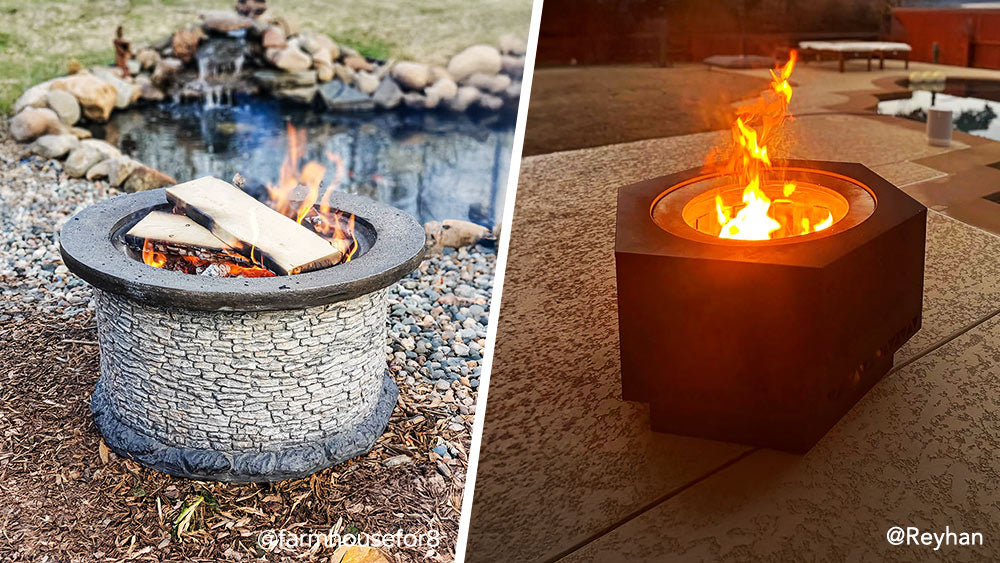
Traditional fire bowls are the original and, for many, the preferred way to enjoy an outdoor fire. They come in a wide range of styles and materials, but they all share a common thread: a direct, often hands-on, relationship with the fuel source. Most commonly, you'll find them burning wood, propane, or gel.
Wood-burning fire bowls offer that classic campfire scent and crackling sound. They’re typically made of steel, cast iron, or stone, with prices ranging from around $100 for a basic steel bowl to $500+ for a more elaborate stone or copper design. Propane fire bowls, on the other hand, offer convenience with instant ignition and adjustable flame control. These usually fall in the $200 to $600 range. Gel fuel bowls are the least common, often used for smaller, portable options, and generally cost between $50 and $200.
The pros of traditional fire bowls are numerous. They’re often more affordable upfront, offer a more authentic experience (especially wood-burning), and don't rely on electricity. However, they also come with drawbacks. Wood-burning bowls require regular cleaning – and I can personally attest to the amount of ash you’ll be dealing with! – and produce smoke. Propane bowls require a propane tank, which needs to be refilled. Safety is also a concern; sparks and embers can pose a fire hazard, and proper supervision is essential.
Materials play a big role in both aesthetics and durability. Steel is affordable and durable but can rust if not properly maintained. Copper develops a beautiful patina over time and is naturally rust-resistant, but it’s more expensive. Stone offers a natural, rustic look but can be heavy and prone to cracking in freezing temperatures. Choosing the right material depends on your style, budget, and climate.
Sizes vary greatly, from small, tabletop bowls suitable for a patio to larger, more substantial bowls designed to be a focal point in a backyard. A typical diameter for a medium-sized fire bowl is around 30-40 inches, providing enough heat for a small group of people.
How smart fire bowls work
So, what exactly is a "smart’ fire bowl? The key difference lies in the integration of technology. These bowls go beyond simply providing a flame; they offer a level of control and customization that traditional bowls can"t match. Common features include app control, adjustable flame heights, integrated LED lighting, and even Wi-Fi or Bluetooth connectivity.
App control allows you to ignite and extinguish the flame, adjust the height, and even schedule operation from your smartphone. Adjustable flame heights let you tailor the heat output to your needs, while integrated lighting adds ambiance and can be customized with different colors and effects. Some models even offer connectivity, allowing you to integrate the fire bowl with other smart home devices.
The benefits are clear: convenience, customization, and enhanced safety. Being able to control the fire from your phone is incredibly convenient, especially if you’re hosting a party. Customizable flame heights and lighting create the perfect atmosphere for any occasion. And features like automatic shut-off timers and flame sensors add an extra layer of safety.
Electronics and rain don't usually mix well. I worry about how these circuit boards will hold up after three winters in the backyard. If the Wi-Fi chip dies, you're left with an expensive, non-functional metal bucket. Check the warranty specifically for the electronic components, not just the frame.
Safety and local laws
Outdoor fires, even in a contained fire bowl, require careful consideration of safety. The U.S. Fire Administration (usfa.fema.gov) provides valuable resources on outdoor fire safety, emphasizing the importance of prevention and responsible fire management. Before you even think about lighting a fire, check your local regulations.
Many municipalities require permits for outdoor fires, and some may impose burn bans during dry or windy conditions. Ignoring these regulations can result in fines or even legal consequences. It’s your responsibility to be aware of and comply with all local rules.
Safe placement is crucial. Keep the fire bowl at least 10 feet away from any structures, fences, trees, or overhanging branches. Ensure the area around the bowl is clear of flammable materials like dry leaves, grass, or furniture. A non-combustible surface, such as gravel or stone, is ideal.
Essential safety equipment includes a fire extinguisher rated for Class A, B, and C fires, as well as a readily available water source, like a garden hose or buckets of water. Never leave a fire unattended, and always ensure it’s completely extinguished before leaving the area. A responsible adult should always be present while the fire is burning.
- Check local regulations for permits and burn bans.
- Place the fire bowl at least 10 feet from structures and flammable materials.
- Use a non-combustible surface beneath the fire bowl.
- Keep a fire extinguisher and water source nearby.
- Never leave a fire unattended.
Comparing smart vs. traditional models
Let’s break down the key differences between smart and traditional fire bowls in a more structured way. This table provides a side-by-side comparison to help you assess which type best suits your needs.
It's important to remember that 'best' is subjective and depends on your individual priorities. If you prioritize simplicity and affordability, a traditional bowl might be the better choice. If you value convenience, customization, and safety features, a smart bowl might be worth the investment.
Smart Fire Bowls vs. Traditional Fire Bowls: A Comparison
| Feature | Traditional Fire Bowls | Smart Fire Bowls |
|---|---|---|
| Price | Generally lower initial cost 💰 | Higher upfront investment |
| Fuel Cost | Variable, dependent on wood or propane prices | Potentially lower with efficient fuel use & control |
| Maintenance | Requires regular cleaning & ash removal | Often self-cleaning features, less frequent maintenance |
| Convenience | Manual ignition & flame adjustment | Remote control, app-based operation, scheduled on/off |
| Safety | Requires constant monitoring; potential for sparks/embers 🔥 | Often includes safety sensors & automatic shut-off features |
| Ambiance | Classic, natural fire aesthetic | Customizable flame effects & integrated lighting options |
| Tech Skill | No technical expertise needed | Basic smartphone/app familiarity helpful |
| Environmental Impact | Wood burning can contribute to air pollution | Propane/natural gas options can be cleaner burning, some models offer reduced emissions |
Illustrative comparison based on the article research brief. Verify current pricing, limits, and product details in the official docs before relying on it.
Top Smart & Traditional Fire Bowls (2026)
Now, let’s look at some specific models available on Amazon.com as of late 2026. Prices are approximate and subject to change, but this will give you a good idea of what’s currently on the market. I’ve included a mix of price points and features to cater to different budgets and preferences.
Please note that availability can vary, so it’s always best to check Amazon directly for the most up-to-date information.
- Bali Outdoors Wood Burning Fire Pit: ($150) - A classic steel wood-burning bowl, simple and affordable. Pros: Budget-friendly, authentic experience. Cons: Requires regular cleaning, produces smoke.
- Bond 55” Fire Pit Table: ($300) - Propane-fueled table with a decorative lava rock set. Pros: Convenient ignition, adjustable flame. Cons: Requires propane tank, can get hot to the touch.
- Endless Summer KP-K22RLP-C Propane Fire Pit: ($250) - A popular and reliable propane fire pit with a slate top. Pros: Easy to use, attractive design. Cons: Propane tank required, limited customization.
- Hiland 888 56” Fire Pit Table: ($450) - Larger propane fire pit with a steel frame and glass wind guard. Pros: Durable, provides ample heat. Cons: More expensive, requires assembly.
- Blue Flame Smart Fire Bowl ($600): This uses an app to adjust flame height and LED colors. It's great for convenience, but you're paying a $300 premium for the tech.
- Bali Outdoors Smart WiFi Fire Pit Table: ($800) - A smart propane fire pit with Wi-Fi connectivity and voice control. Pros: Seamless integration with smart home systems, advanced features. Cons: Most expensive option, potential for technical issues.
- Hampton Bay Smart Fire Pit: ($550) - A mid-range smart fire pit with app control and adjustable flame. Pros: Good balance of features and price. Cons: Limited customization options.
- Sol 72 Outdoor Smart Fire Pit Table: ($700) - Stylish smart fire pit with a modern design and integrated lighting. Pros: Attractive appearance, convenient features. Cons: Can be difficult to assemble.
Featured Products

30-inch diameter · Gas-powered for easy ignition and control · Resin mantel for a classic look
This is a great budget-friendly option for those looking for the convenience of gas fire pits.
30-inch diameter · Gas-powered for easy ignition and control · Resin mantel for a classic look
This is a great budget-friendly option for those looking for the convenience of gas fire pits.

Smokeless design for a cleaner burn · Portable and lightweight stainless steel construction · Removable ash pan for easy cleanup
The Solo Stove offers a superior wood-burning experience with its innovative smokeless technology and portability.

Large 42-inch cast concrete design · Electronic ignition for easy startup · Includes canvas cover and lava rock
This high-end gas fire pit makes a stunning centerpiece with its modern concrete design and convenient electronic ignition.

Spacious 43-inch rectangular design · High 60,000 BTU output for powerful heat · Includes glass stones and wind guard
This propane fire pit offers impressive heat output and a stylish rectangular design at a competitive price point.
As an Amazon Associate I earn from qualifying purchases. Prices may vary.
Standout Models: Worth a Closer Look
From the list above, a couple of models really stand out in terms of value and features. The Bali Outdoors Smart Fire Bowl ($600) offers a great balance of affordability and functionality. It provides app control, adjustable flame heights, and integrated LED lighting, all at a price point that’s lower than many other smart options.
User reviews consistently praise its ease of use and reliable performance. However, some users have noted that the app can be a bit buggy at times, and the build quality isn’t quite as premium as some of the more expensive models.
The Hampton Bay Smart Fire Pit ($550) is another strong contender. It's a bit more streamlined in its features compared to the Bali Outdoors model, but it's known for its robust construction and user-friendly interface. This model often appears in 'best of' lists on home improvement websites, and many users appreciate its simple setup and consistent operation.
- Bali Outdoors Smart Fire Bowl: Best overall value in a smart fire bowl.
- Hampton Bay Smart Fire Pit: Reliable performance and easy setup.

BALI OUTDOORS Fire Pit Wood Burning Chiminea Outside Fireplace Patio Small Firepit, Size 17.7" W x 35.6" H, Brown-Black
- Durable cast iron construction for longevity
- Compact design, perfect for smaller patios or balconies
- Includes poker for easy fire management
- Attractive brown-black finish complements outdoor decor
For those who love the classic charm of a wood-burning fire, this BALI OUTDOORS chiminea offers a fantastic, compact option that brings warmth and ambiance to your backyard without the bulk of a traditional fire bowl.
View on Amazon →As an Amazon Associate I earn from qualifying purchases.
Future Trends & What to Expect
The fire bowl market is constantly evolving. We can expect to see even greater integration with smart home ecosystems in the coming years, allowing seamless control through voice assistants like Alexa and Google Assistant. More advanced safety features, such as automatic flame shut-off based on wind conditions, are also likely to become standard.
Sustainability is another key trend. Manufacturers are exploring alternative fuel options, such as bioethanol and renewable propane, to reduce the environmental impact of fire bowls. We might also see more fire bowls made from recycled materials.
I wouldn't be surprised if we see more sophisticated designs that incorporate augmented reality (AR) to allow users to visualize different flame effects and lighting schemes before making a purchase. While these are just predictions, the future of fire bowls looks bright—and warm!

No comments yet. Be the first to share your thoughts!