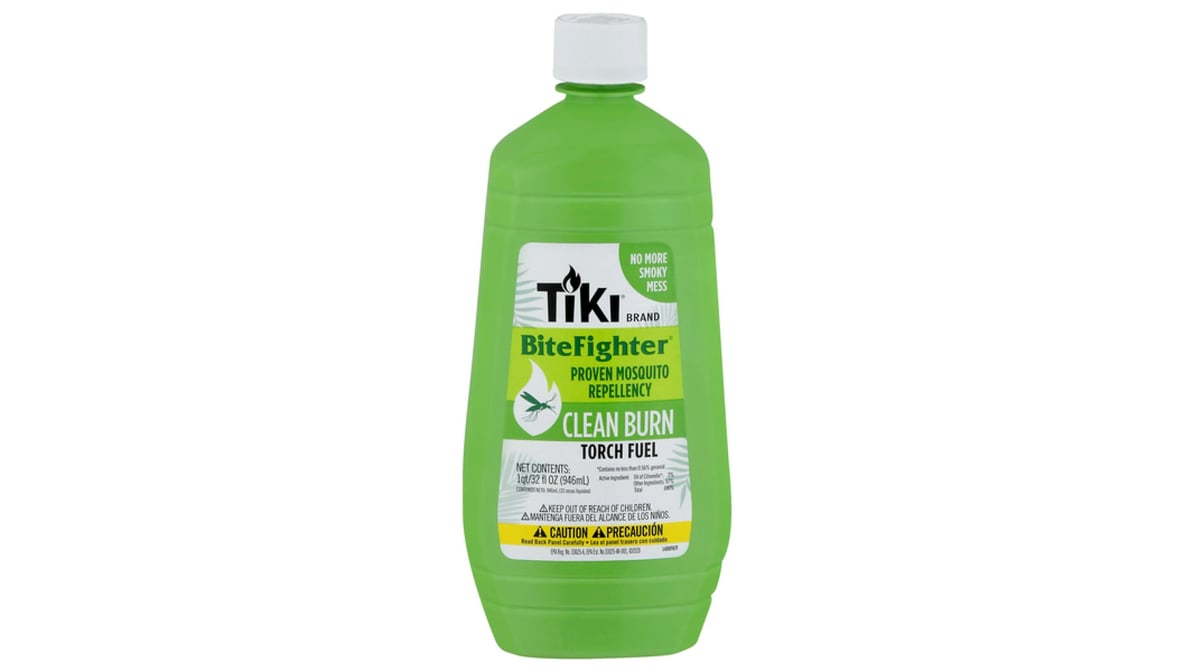

Smokeless tiki torch fuel budget
Pricing for clean-burning torch fuel tracks directly with repellent concentration and base refinement. Basic lamp oil sits at the bottom of the range, often under $1 per liter in bulk. These provide a steady flame but offer zero mosquito protection. In high-traffic bug zones, skimping here ruins the evening.
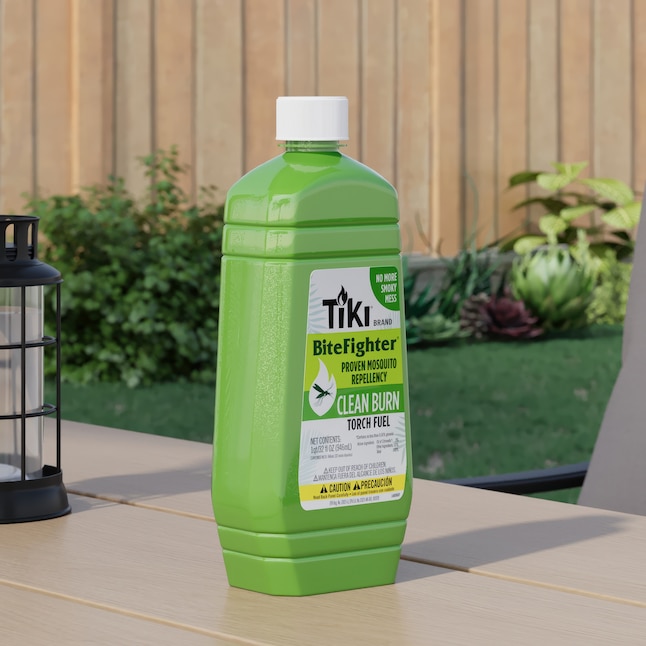
Mid-range options like Firefly Fuel or TIKI Brand BiteFighter cost between $1.50 and $3 per liter. These blend citronella or natural repellents with a cleaner base. The tradeoff is scent longevity; natural repellents fade faster than synthetic DEET-based alternatives, requiring more frequent refills. You gain better ambiance and some bug defense without the harsh chemical odor.
Premium blends exceed $4 per liter. These use advanced emulsions that burn hotter and cleaner, leaving minimal soot. The savings come from longevity: premium fuels last 10-15% longer per liter than standard oils. For heavy users hosting frequent gatherings, the higher upfront cost offsets reduced cleaning time and more consistent performance.


As an Amazon Associate, we may earn from qualifying purchases.
Shortlist real options
Choosing a clean-burning fuel requires balancing burn time, scent profile, and residue. The market has shifted from soot-producing kerosene to refined paraffin and citronella blends designed for patio ambiance. We compared top contenders based on burn efficiency, scent availability, and user feedback.
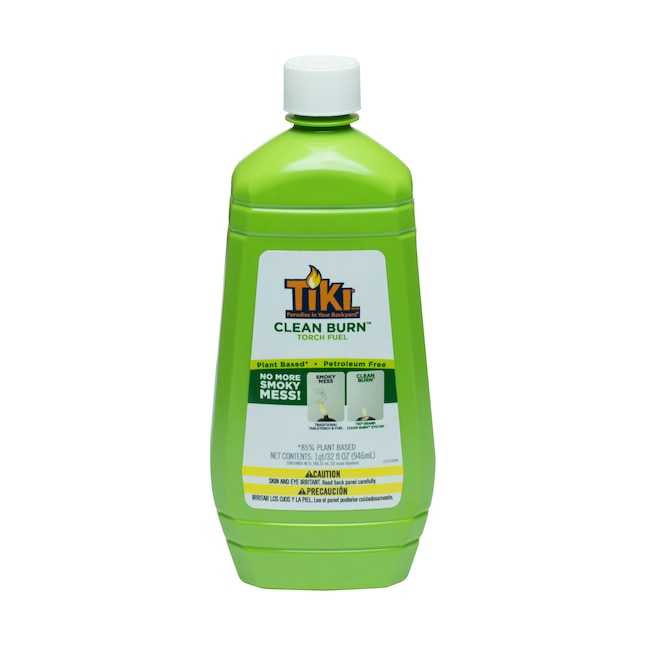
TIKI Brand Clean Burn Torch Fuel
TIKI Brand Clean Burn Torch Fuel is a top choice for low smoke and reliability. This 64-ounce bottle minimizes soot, preventing blackening of torch tubes and furniture. It works well in standard torches, providing a steady flame for evening gatherings. Users note its consistent burn rate and subtle scent that enhances rather than overpowers the outdoor space.
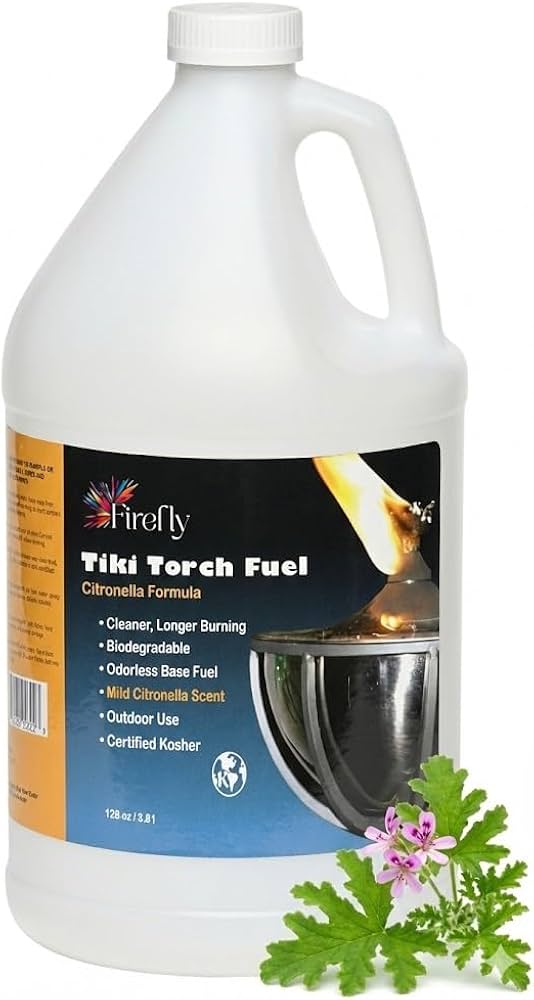
Firefly Fuel Tiki Torch Fuel
Firefly Fuel claims 30% higher efficiency than traditional fuels. This refined paraffin is odorless and produces minimal soot, making it ideal for sensitive environments or enclosed patios. Its clean-burn formula extends torch life by reducing internal residue. For users preferring a neutral scent that lets garden aromas shine, this is a strong contender.
Firefly Citronella Torch Fuel
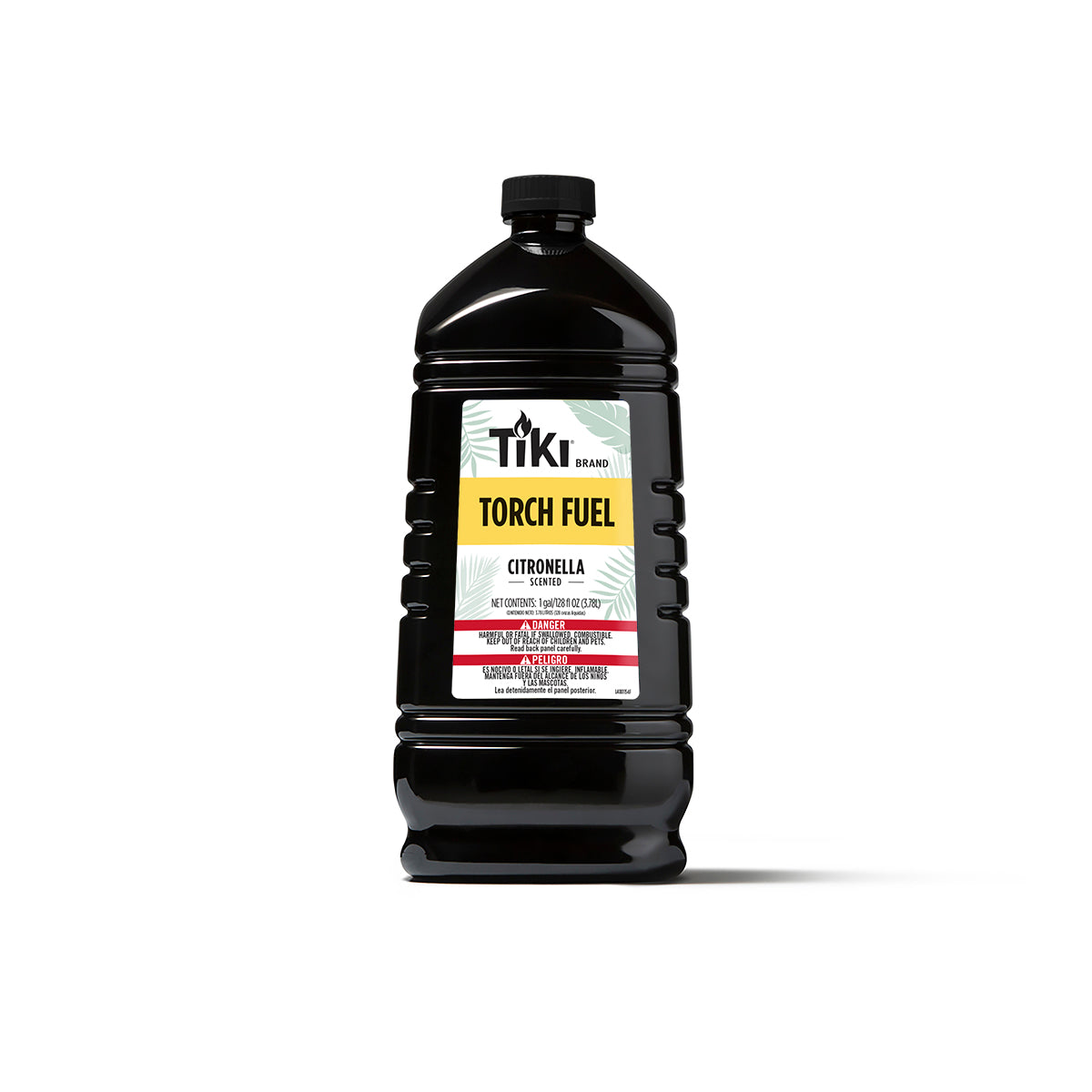
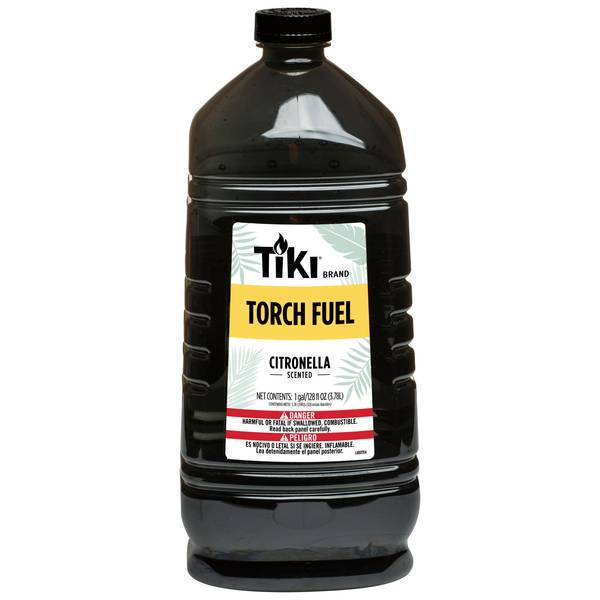
For natural mosquito repellent without harsh chemicals, Firefly Fuel offers a citronella-infused option. It combines clean-burning paraffin with insect-deterrent properties. The gentle, herbal scent enhances the patio experience while keeping bugs at bay. This is ideal for summer evenings where insect activity is the primary concern.
Comparison of Key Features
| Brand | Scent Profile | Burn Efficiency | Soot Level |
|---|---|---|---|
| TIKI Brand | Subtle/Citronella | Standard | Low |
| Firefly Fuel (Paraffin) | Odorless | High (+30%) | Very Low |
| Firefly Fuel (Citronella) | Herbal Citronella | High (+30%) | Very Low |
Community Consensus
Homeowners often debate branded reliability versus generic efficiency. Recent discussions highlight that while TIKI Brand offers consistent, trusted burns, many users switch to Firefly Fuel for superior efficiency and cleaner flames. The consensus suggests that frequent burners save long-term with Firefly’s efficiency, despite potentially higher per-bottle costs.


As an Amazon Associate, we may earn from qualifying purchases.
Inspect the expensive parts
Torch fuel is cheap, but the hardware is not. A cracked mantle or corroded burner can ruin a $50 stand. Most failures occur at joints where fuel meets metal. Check these points before lighting your next torch.
The fabric-like sleeve inside the torch head is fragile. It degrades with wind or rain exposure. Hold the torch up to a light source. Holes or thin spots indicate uneven burning or total failure. Replacement mantles are inexpensive but sacrificial. Replace them annually or when flames become irregular.
Clean-burning fuels like TIKI Brand Clean Burn™ or Firefly should produce minimal residue. Heavy black soot indicates dirty fuel or an overly long wick. Soot restricts airflow and clogs the fuel delivery system. Wipe the tube with a damp cloth after cooling. If soot persists, switch to higher-quality fuel or trim the wick.
The neck connects the reservoir to the burner. This joint leaks if sealant dries out. Check for sticky residue or greenish-blue crust (copper corrosion) around the threads. Leaks waste fuel and create fire hazards. Apply silicone grease to threads during refills to maintain a tight seal.
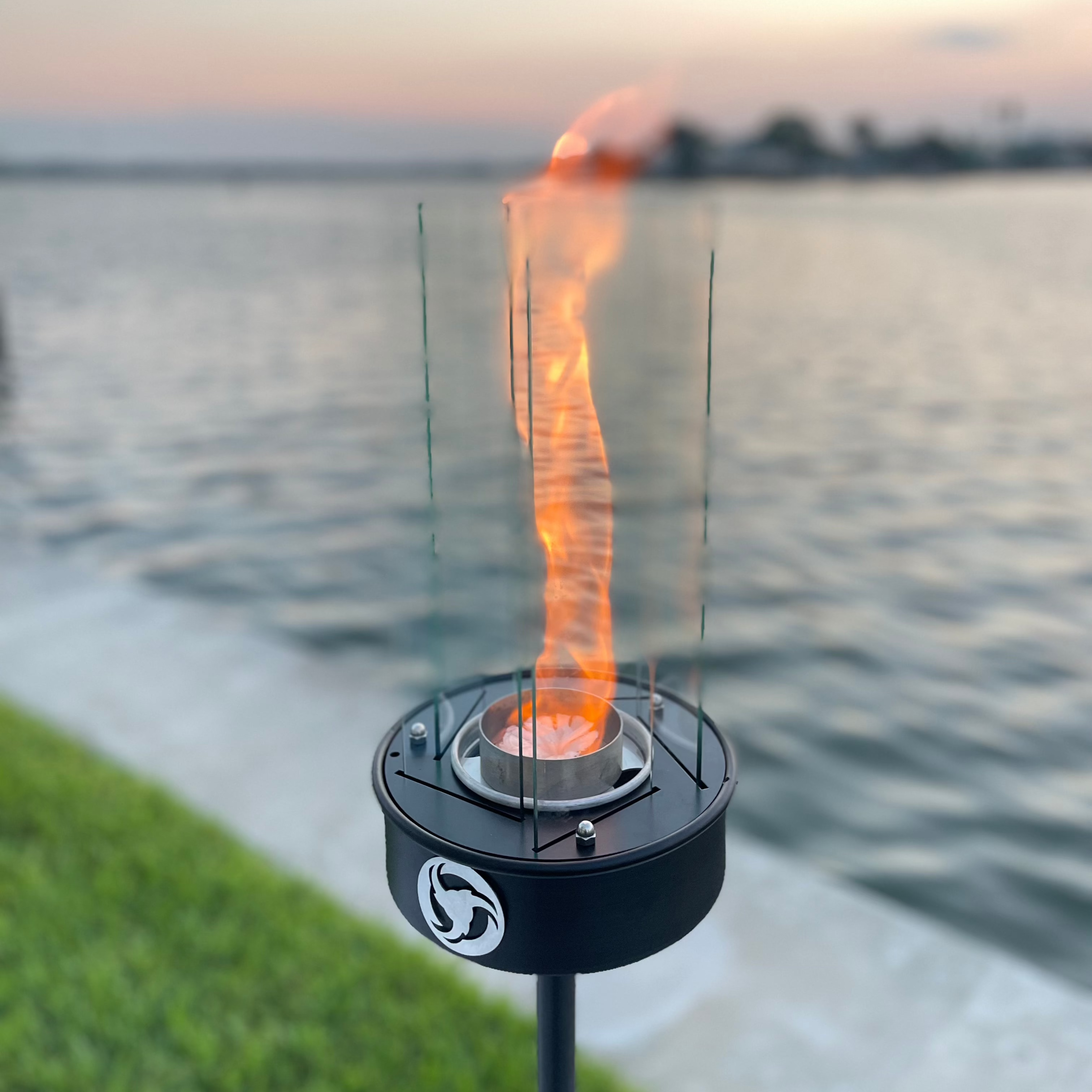
A wick that is too long smokes and produces a lazy, yellow flame. A wick that is too short draws fuel inefficiently. The ideal wick extends about half an inch above the burner tube. Trim it with scissors. A properly trimmed wick ensures a steady, blue-based flame that burns clean.
Dust, insects, and plant matter can clog the wick. Remove the burner assembly and inspect the reservoir. Use a flashlight to spot floating particles. If debris is present, pour out old fuel and rinse with warm water. Let it dry completely before refilling.
These checks take less than five minutes but prevent costly torch replacements. Consistent maintenance keeps your patio ambiance safe and fuel costs predictable.
Ownership costs: Plan for maintenance and fuel consumption
The sticker price of tiki torch fuel is only part of the equation. Long-term costs vary significantly between brands when factoring in consumption and maintenance. Cheap fuel often burns hotter and faster, requiring more frequent refills than premium, cleaner-burning alternatives.
Fuel consumption depends on wick size and wind. A standard 64-ounce bottle of clean-burning fuel typically lasts 8 to 12 hours per torch. Running multiple torches all evening may consume a single bottle in one or two nights. Premium options like TIKI Brand BiteFighter or Firefly Fuel burn slower and cleaner, extending bottle life and reducing refill frequency.
Maintenance surprises often stem from soot buildup. Lower-quality fuels leave black residue on glass tubes and metal heads, requiring frequent scrubbing. Clean-burning formulas minimize soot, saving time and extending hardware lifespan. Over a season, the time spent scrubbing and the cost of replacement parts can make slightly more expensive fuel a smarter financial choice.
Cheap fuel often stops being cheap by the third or fourth refill. If fuel leaves excessive soot, smells chemical, or burns unevenly, hidden maintenance costs outweigh initial savings. Investing in clean-burning fuel designed for outdoor use ensures a consistent experience without the hassle of constant upkeep.


As an Amazon Associate, we may earn from qualifying purchases.
Smokeless tiki torch fuel: what to check next
Choosing the right fuel can feel like a gamble when you want clear air and fewer bugs. Here are practical answers to common questions about smokeless tiki torch fuel.
No comments yet. Be the first to share your thoughts!