
The Shifting Landscape of Backyard Fire: Regulations and Demand
The appeal of a crackling fire in the backyard is enduring. It's a focal point for gatherings, a source of warmth, and a connection to something primal. However, the freedom to simply build a wood-burning fire pit is increasingly restricted. Across the country, municipalities are tightening regulations on open flames due to concerns about air quality and safety.
The Minnesota Department of Public Safety, for example, details specific requirements for recreational fires, focusing on containment, setback distances, and responsible fire management (dps.mn.gov). These rules aren’t meant to eliminate backyard fires, but to mitigate risks associated with uncontrolled burning. This regulatory pressure, combined with a growing awareness of environmental issues, is driving a significant demand for cleaner alternatives.
People want to avoid fines, but they also just want cleaner air. Homeowners are actively seeking ways to enjoy the ambiance of fire without the drawbacks of wood smoke. This has created a burgeoning market for eco-friendly fire bowl options, like those utilizing bioethanol and electric heating technologies. The desire for a comfortable and inviting outdoor space remains strong, even as the methods for achieving it evolve.
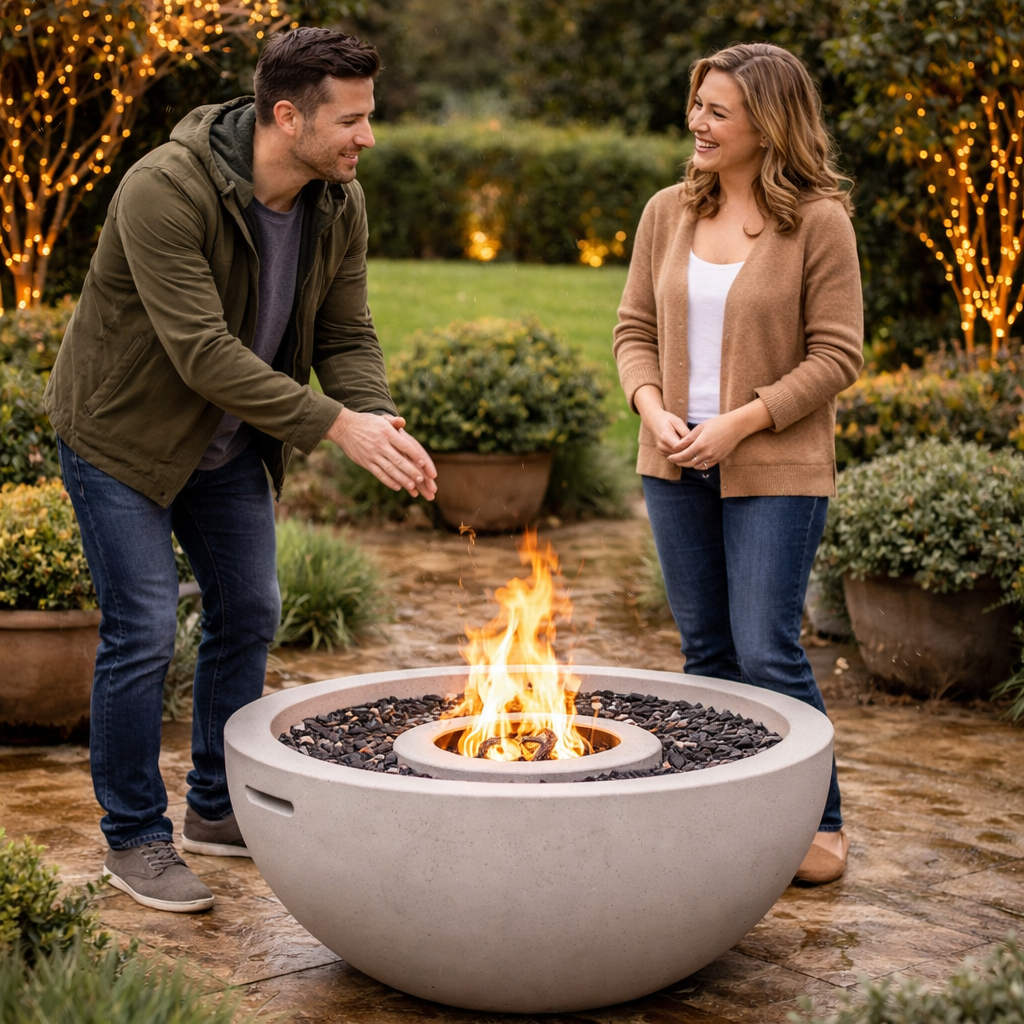
Bioethanol Fire Bowls: A Clean Burning Option?
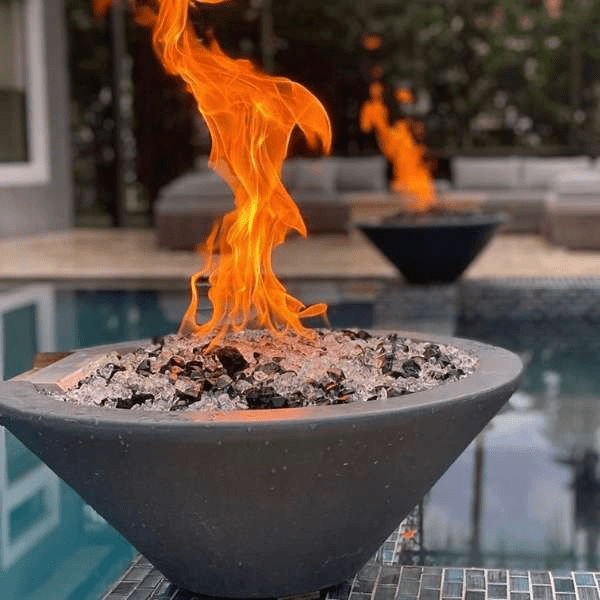
Bioethanol, often marketed as a sustainable fuel source, is derived from the fermentation of plant starches – typically corn, sugarcane, or potatoes. When burned in a fire bowl, it produces a flame that looks remarkably similar to wood, offering a degree of visual authenticity that electric options struggle to match. One of the primary appeals of bioethanol is its relatively clean combustion.
While not entirely emission-free, bioethanol fires produce significantly less smoke and particulate matter than traditional wood burning. This is a major advantage for those concerned about air quality or living in areas with restrictions on wood smoke. Bioethanol bowls are also generally easy to use – simply fill the reservoir with fuel and ignite. There's no need to deal with ash cleanup, and they can be used in a wider range of locations than wood-burning pits.
However, several drawbacks need consideration. Bioethanol fuel can be expensive, and the cost adds up quickly with frequent use. The flame, while visually appealing, doesn't radiate the same level of heat as a wood fire. Crucially, proper ventilation is still required, even with bioethanol, to ensure adequate oxygen supply and prevent the buildup of carbon monoxide. Fuel storage also presents a safety concern; bioethanol is flammable and should be stored in a cool, well-ventilated area away from ignition sources.
- Pros: Relatively clean burning, easy to use, no ash.
- Cons: Fuel cost, lower heat output, fuel storage safety.
Electric Fire Bowls: Convenience and Control, But at What Cost?
Electric fire bowls represent a completely different approach to outdoor heating. They don’t involve any actual combustion; instead, they use electric heaters and LED lighting to simulate the look and feel of a fire. The benefits are immediately apparent: no fuel is required, offering long-term cost savings, and they can be switched on and off instantly with adjustable heat settings.
Electric models have modern designs that fit into contemporary outdoor spaces. The lack of open flame also enhances safety, making them a good option for families with children or pets. However, the simulated flame effect is a point of contention. Some find it convincing, while others are left wanting the authenticity of a real fire.
A significant limitation is the need for a reliable power source. This means running an outdoor-rated extension cord, which may not be aesthetically pleasing or practical in all situations. The energy consumption of electric fire bowls is also a valid concern. While they don’t produce emissions directly, the electricity used to power them may be generated from fossil fuels, offsetting some of the environmental benefits. Determining the true efficiency requires considering the energy source used by your local power grid.
Comparing Installation and Maintenance: A Practical Guide
Installation typically favors bioethanol fire bowls in terms of simplicity. Most models require minimal assembly and can be placed on a level surface. Electric fire bowls, on the other hand, may necessitate the installation of an outdoor-rated electrical outlet, which can add to the overall cost and complexity. This is a crucial consideration for homeowners without existing outdoor power access.
Maintenance is where the contrast is most pronounced. Bioethanol bowls require periodic cleaning to remove any residue or spills. The burner itself should be inspected regularly for proper function. Electric fire bowls, by comparison, demand very little maintenance. A quick wipe-down to remove dust and debris is usually sufficient.
The hassle factor is significant. People invest in outdoor amenities to reduce stress, not add to it. A solution that requires constant attention detracts from the relaxing experience. The ease of use and minimal maintenance of electric models is a strong selling point for those prioritizing convenience.
Bioethanol vs. Electric Fire Bowls: A Comparative Overview (2026)
| Criteria | Bioethanol Fire Bowls | Electric Fire Bowls |
|---|---|---|
| Installation Difficulty | Medium | Easy |
| Maintenance Effort | Medium | Low |
| Space Requirements | Medium | Small to Medium |
| Portability | Low to Medium | Medium to High |
| Fuel Source | Bioethanol (renewable) | Electricity |
| Environmental Impact | Lower carbon emissions than wood, requires careful sourcing of bioethanol | Low direct emissions, dependent on electricity source |
| Operational Cost | Moderate (fuel purchase) | Variable (electricity rates) |
| Safety Considerations | Open flame, requires responsible use and adherence to local fire codes | Minimal flame risk, potential electrical hazards if not properly maintained |
Illustrative comparison based on the article research brief. Verify current pricing, limits, and product details in the official docs before relying on it.
Cost Breakdown: Fuel, Purchase Price, and Long-Term Expenses
A basic fire bowl starts around $300, while high-end stone models can cost over $3,000. However, the long-term costs differ significantly. Bioethanol fuel is sold in gallons, and prices fluctuate depending on the supplier and quantity purchased. Expect to pay anywhere from $5 to $10 per gallon, which may only provide a few hours of burn time.
Electric fire bowls have no ongoing fuel cost, but they do consume electricity. The actual cost will depend on your local electricity rates and how frequently you use the bowl. While the per-hour cost of electricity may be lower than bioethanol fuel, it’s important to factor in the total energy consumption over time. Outdoor Fire & Patio offers free shipping on orders over $199, which can help offset some of the initial purchase costs.
To get a realistic estimate of the total cost of ownership, consider your usage patterns and local fuel/electricity prices. A simple spreadsheet can help you compare the costs over several years. Don't forget to factor in the cost of fuel storage for bioethanol and potential electrical work for electric models.
Bioethanol vs. Electric Fire Bowl Comparison (2026 Estimates)
| Feature | Bioethanol Fire Bowls | Electric Fire Bowls | Typical Retailer |
|---|---|---|---|
| Fuel Source | Denatured Ethanol (typically 95% ethanol) | Electricity (standard 120V outlet) | Varies |
| Initial Cost | Generally $200 - $800+ | Generally $300 - $1200+ | Amazon, Home Depot, Wayfair |
| Running Cost | Moderate; dependent on ethanol price and burn rate. Expect $5 - $20 per evening of use. | Low; electricity cost is minimal, typically under $2 per evening. | Varies |
| Environmental Impact | Produces water vapor and a small amount of carbon dioxide. Considered relatively clean burning, but relies on ethanol production. | Zero emissions at point of use; overall impact depends on electricity source. | Varies |
| Installation | Simple; typically requires assembly and placement on a non-combustible surface. | Simple; requires access to an electrical outlet. Some models may require professional wiring for dedicated circuits. | Varies |
| Maintenance | Requires regular cleaning of the burner and fuel reservoir. Potential for soot buildup. | Minimal; typically involves wiping down the exterior. | Varies |
| Safety Considerations | Open flame; requires careful placement away from flammable materials and supervision during use. Local regulations may apply (e.g., Minnesota Department of Public Safety guidelines for recreational fires). | No open flame; generally considered safer, but electrical safety precautions still apply. | Varies |
| Ambiance | Provides a natural, flickering flame and warmth. | Offers adjustable flame effects and often includes color options, but lacks the natural warmth. | Varies |
Illustrative comparison based on the article research brief. Verify current pricing, limits, and product details in the official docs before relying on it.
Design and Aesthetics: Matching Your Outdoor Style
Aesthetics are highly subjective, but general trends exist. Bioethanol fire bowls often lean towards a more natural, organic look, frequently incorporating materials like concrete, stone, or weathered steel. These designs complement rustic or naturalistic outdoor settings. The flame itself contributes to this aesthetic, evoking the feeling of a traditional campfire.
Electric fire bowls tend to embrace modern and minimalist designs. Sleek lines, glass panels, and stainless steel are common features. They integrate well into contemporary outdoor spaces with clean, geometric layouts. The simulated flame effect, while improving, still lacks the dynamic quality of a real fire.
Consider your existing outdoor décor when making your choice. A rustic patio might be best suited to a concrete bioethanol bowl, while a modern deck could benefit from a sleek electric model. The materials and overall style of the fire bowl should complement your existing furniture, landscaping, and architectural elements.
Future Trends: What's Next for Eco-Friendly Fire?
The development of more sustainable bioethanol blends is an active area of research. Scientists are exploring alternative feedstocks – such as algae or agricultural waste – to reduce the environmental impact of bioethanol production. Engineers are currently working on burner designs that use less fuel to produce more heat.s to maximize heat output and minimize fuel consumption is another key focus.
Electric fire bowl technology is also evolving rapidly. Manufacturers are working to create more realistic flame effects using advanced LED technology and projection techniques. Smart home integration is another emerging trend, allowing users to control their electric fire bowls remotely via smartphone apps or voice assistants.
Hybrid systems, combining elements of both bioethanol and electric technologies, could also emerge. These might involve using a small amount of bioethanol to create a more authentic flame effect, supplemented by electric heaters for additional warmth. The future of eco-friendly outdoor fire is likely to be characterized by innovation and a continued focus on sustainability and user experience.
Content is being updated. Check back soon.
No comments yet. Be the first to share your thoughts!