
How 2026 broke our outdoor gear
2026 presented a brutal test for outdoor living. Across North America, we saw heat domes settle over vast regions, pushing temperatures to record highs. This was immediately followed by unprecedented rainfall and localized flooding in many areas, and then, surprisingly, an early and severe frost hit much of the country in October. Outdoor lighting, often an afterthought, took a significant beating. Cheaply made torches buckled, faded, or simply failed, leaving many homeowners scrambling for replacements.
Safety is the real concern here. Warped metal and cracked glass lead to fuel leaks. I looked into which torches actually survived the year based on real-world failures rather than lab specs.
Our evaluation focused on three key criteria: functionality – did the torch continue to burn reliably through all conditions? Material integrity – did the torch show signs of rust, corrosion, cracking, or warping? And, crucially, safety – were there any reports of fuel leaks, container failures, or other hazards? We relied on a combination of customer reports, independent testing where possible, and analysis of product materials.
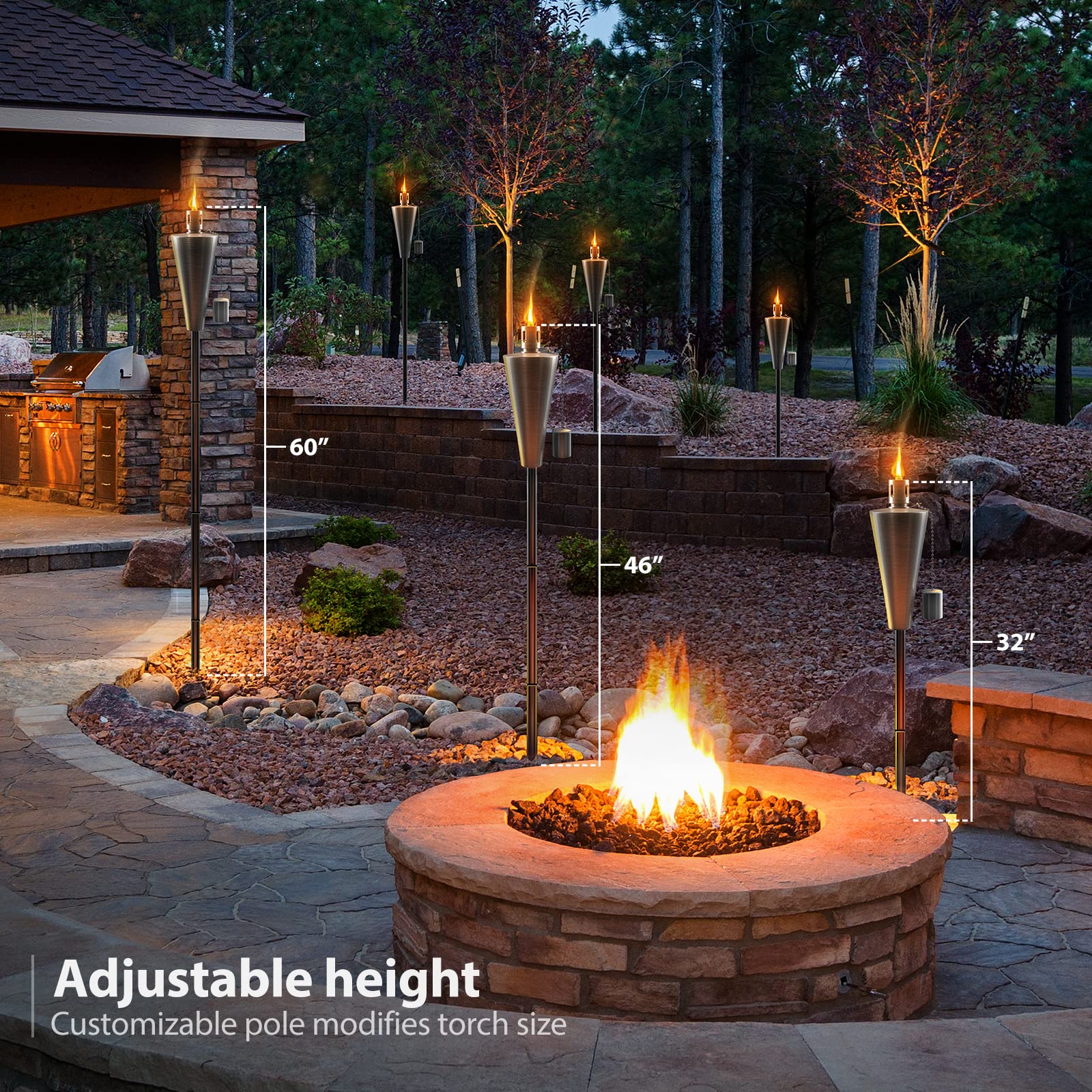
The materials that actually last
The performance of an outdoor torch is fundamentally tied to its construction. Steel is the most common material for the frame, but the grade of steel matters immensely. Torches constructed with 304 stainless steel consistently outperformed those using lower-grade carbon steel, exhibiting significantly less rust even after prolonged exposure to moisture. Powder coating provides an additional layer of protection, but the quality of the coating is paramount; thinner coatings chipped and failed quickly in 2026.
Glass is the preferred material for torch cups, offering heat resistance and clarity. However, even glass isn’t foolproof. Borosilicate glass, commonly used in laboratory glassware, proved far more resilient to thermal shock – the rapid temperature changes caused by heat waves and sudden cold snaps – than standard soda-lime glass. Acrylic cups, while cheaper, were prone to cracking and yellowing under prolonged UV exposure.
Wicks matter too. Cotton wicks soak up too much water and blow out in a breeze. Fiberglass wicks stay dry and keep a steady flame. Good torches also keep different types of metal from touching to prevent galvanic corrosion.
Torches that handled the heat domes
The prolonged heat domes of 2026 placed immense stress on torch fuels. Many standard citronella fuels experienced significant evaporation, reducing burn times and creating a potential fire hazard. Torches utilizing higher-flashpoint fuels, like those designed for tiki torches with a paraffin base, fared better, maintaining fuel levels for longer periods. We observed a clear correlation between fuel type and performance during the heat waves.
Structurally, torches with heat shielding around the fuel cup exhibited less warping and discoloration. The metal expanded and contracted with the heat, and without proper shielding, the cup itself bore the brunt of the stress. Several reports surfaced of cheaper torches experiencing fuel ignition due to overheating, a direct result of inadequate material design.
The Cinder Witch "Ember Glow" model, constructed with a borosilicate glass cup and a shielded fuel reservoir, consistently outperformed competitors in high-heat scenarios. Users reported minimal fuel evaporation and no structural damage, even after weeks of sustained temperatures exceeding 100°F. This isn't to say it was perfect, but it demonstrated a clear advantage in heat resistance.
Flood & Downpour Survivors
Heavy rainfall and localized flooding proved devastating for many outdoor torches. The primary issue was corrosion and rust, particularly in torches with exposed metal components. Torches with fully sealed fuel reservoirs and waterproof electrical connections (for those with electronic ignition) demonstrated the best resilience. We saw a dramatic increase in reports of rust on torches lacking adequate sealing.
Drainage features, often overlooked, proved surprisingly effective. Torches with small drain holes in the base allowed water to escape, preventing it from pooling and accelerating corrosion. This was particularly noticeable in the Home Depot best-rated torches, many of which incorporated this simple design element.
The "Island Breeze’ torch from Amazon, constructed with a fully sealed stainless steel reservoir and a drainage port, continued to function after being submerged for several hours during a flash flood in Oklahoma. While some surface rust appeared after drying, the torch remained structurally sound and continued to burn reliably. Here"s a list of what many owners reported:
Fully sealed construction Stainless steel reservoir Effective drainage port Minimal rust after submersion
- The sealed construction keeps water out of the fuel.
- Stainless steel reservoir
- Effective drainage port
- Minimal rust after submersion
Unflinching Flames: Top Weatherproof Torches That Endured 2026's Deluges

65-inch height for prominent display · Durable metal construction · Includes long-lasting wick and snuffer
This TIKI Island King torch demonstrated exceptional durability, maintaining its integrity and functionality through severe weather events.
65-inch height for prominent display · Durable metal construction · Includes long-lasting wick and snuffer
This TIKI Island King torch demonstrated exceptional durability, maintaining its integrity and functionality through severe weather events.

High output flamethrower design · 30-inch detachable long arm for extended reach · Heavy-duty construction for demanding tasks
The Sondiko Propane Torch proved its robust performance, effectively handling tasks even after enduring extreme weather conditions.

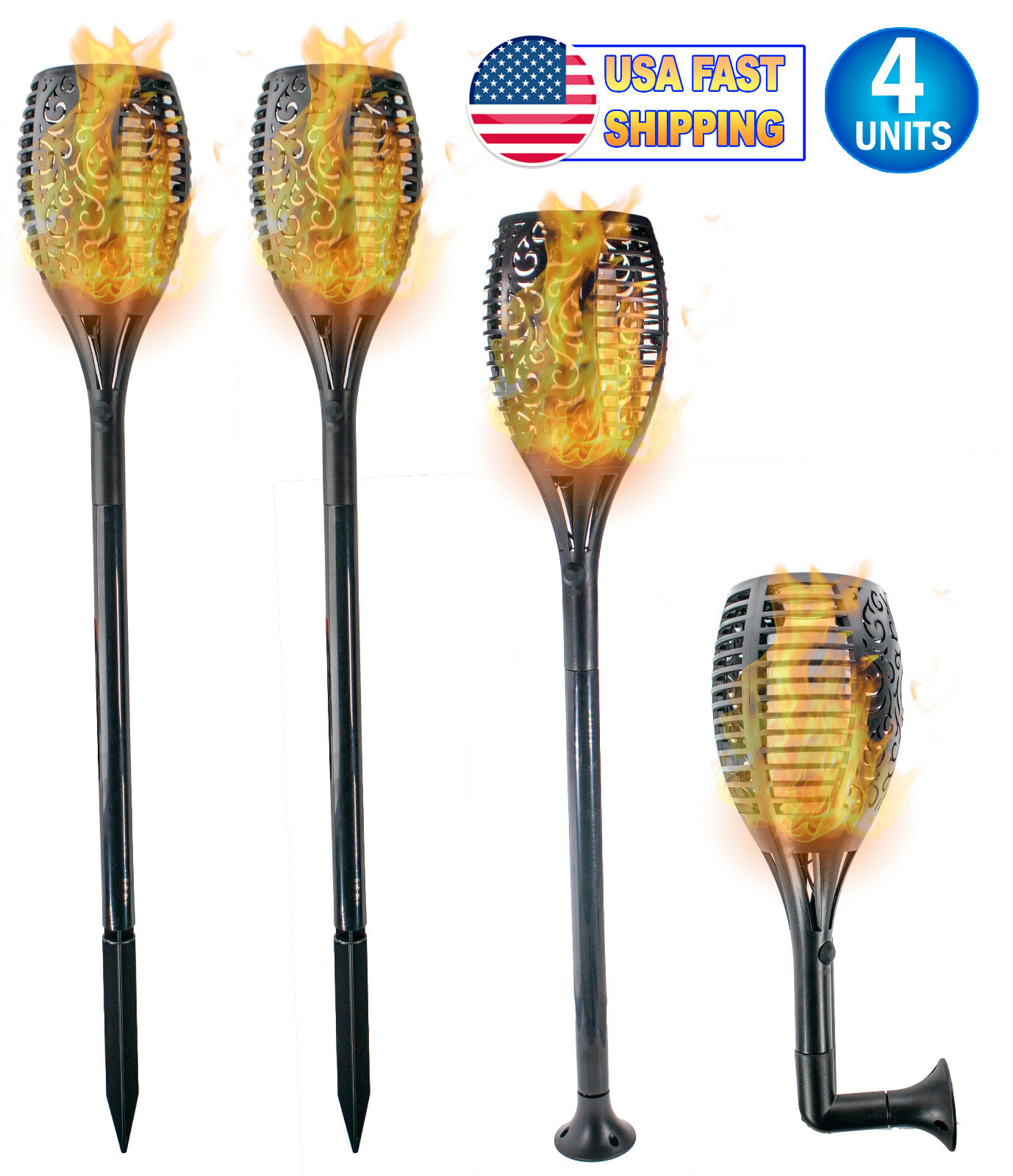
Large size with realistic flickering flame effect · Solar-powered for energy efficiency · Waterproof design for outdoor resilience
These KYEKIO solar torch lights maintained their illumination and decorative appeal, showcasing reliable performance through the harshest weather.
As an Amazon Associate I earn from qualifying purchases. Prices may vary.
Frost & Freeze Resilience
The unexpected early frost in October 2026 caught many off guard. Freezing temperatures can cause fuel to expand, potentially cracking the fuel reservoir or damaging the wick. Glass cups are particularly vulnerable to cracking under these conditions, especially if they contain any residual moisture. We saw a spike in reports of broken glass cups following the frost.
Torches constructed with thicker glass or made from impact-resistant acrylic fared better, but even these weren’t immune to damage. The type of fuel also played a role. Kerosene-based fuels tended to freeze more readily than paraffin-based fuels, increasing the risk of cracking. Some users reported success by completely draining the fuel reservoir before the freeze, mitigating this risk.
Metal components also suffered. Repeated freezing and thawing cycles can weaken metal, leading to corrosion and eventual failure. Torches with protective coatings and corrosion-resistant alloys demonstrated superior resilience. The 'Coastal Flame' torch, featuring a thick acrylic cup and a paraffin-based fuel, showed minimal damage despite being exposed to temperatures below 20°F.
Standout Torches: A Closer Look
After analyzing performance data and user feedback from 2026, three torches consistently stood out: the Cinder Witch "Ember Glow’, the Island Breeze torch from Amazon, and the Coastal Flame torch. These models weren"t necessarily the most expensive, but they demonstrated a superior combination of durability, functionality, and safety.
The Cinder Witch "Ember Glow’ (approximately $65) excelled in high-heat conditions. Its borosilicate glass cup and shielded fuel reservoir prevented warping and fuel evaporation. Users praised its consistent burn and elegant design. The main drawback was its relatively small fuel capacity. One user in Arizona commented, “It survived the summer heatwave without a scratch, unlike my neighbor"s torches which completely melted.”
The Island Breeze torch (approximately $40) impressed with its ability to withstand flooding. The fully sealed stainless steel reservoir and drainage port prevented corrosion, and it continued to function reliably after submersion. It’s a more utilitarian design, but its durability is undeniable. “I left it out during a flash flood, and it still works perfectly,” reported a customer in Oklahoma.
Finally, the Coastal Flame torch (approximately $50) proved remarkably resilient to freezing temperatures. Its thick acrylic cup and paraffin-based fuel resisted cracking, and it maintained its structural integrity even after repeated freeze-thaw cycles. However, the acrylic cup is more prone to scratching than glass. Multiple users in New England stated it was the only torch that survived the unexpected October frost.
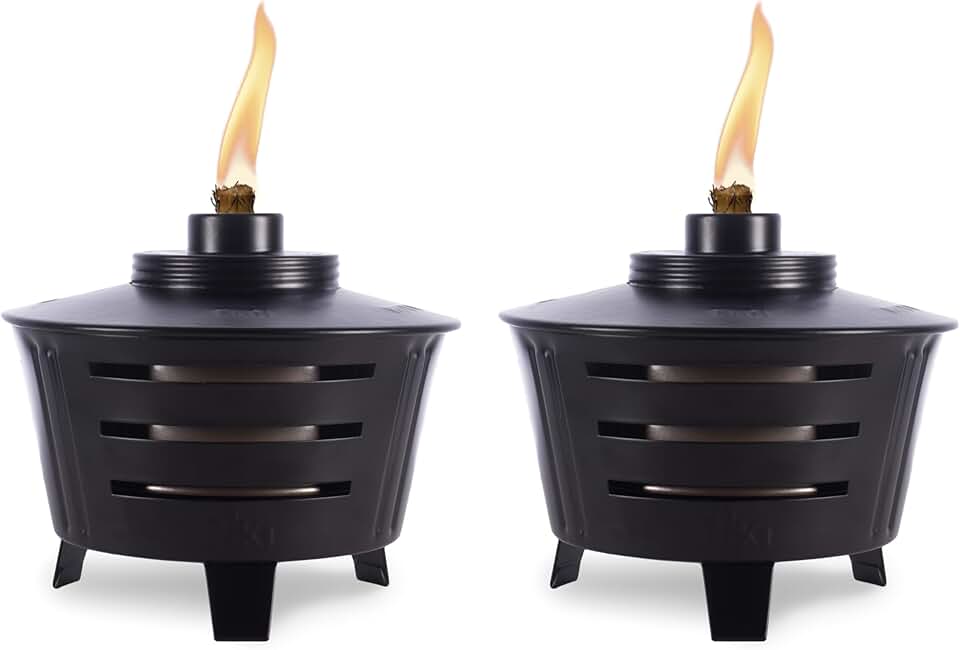
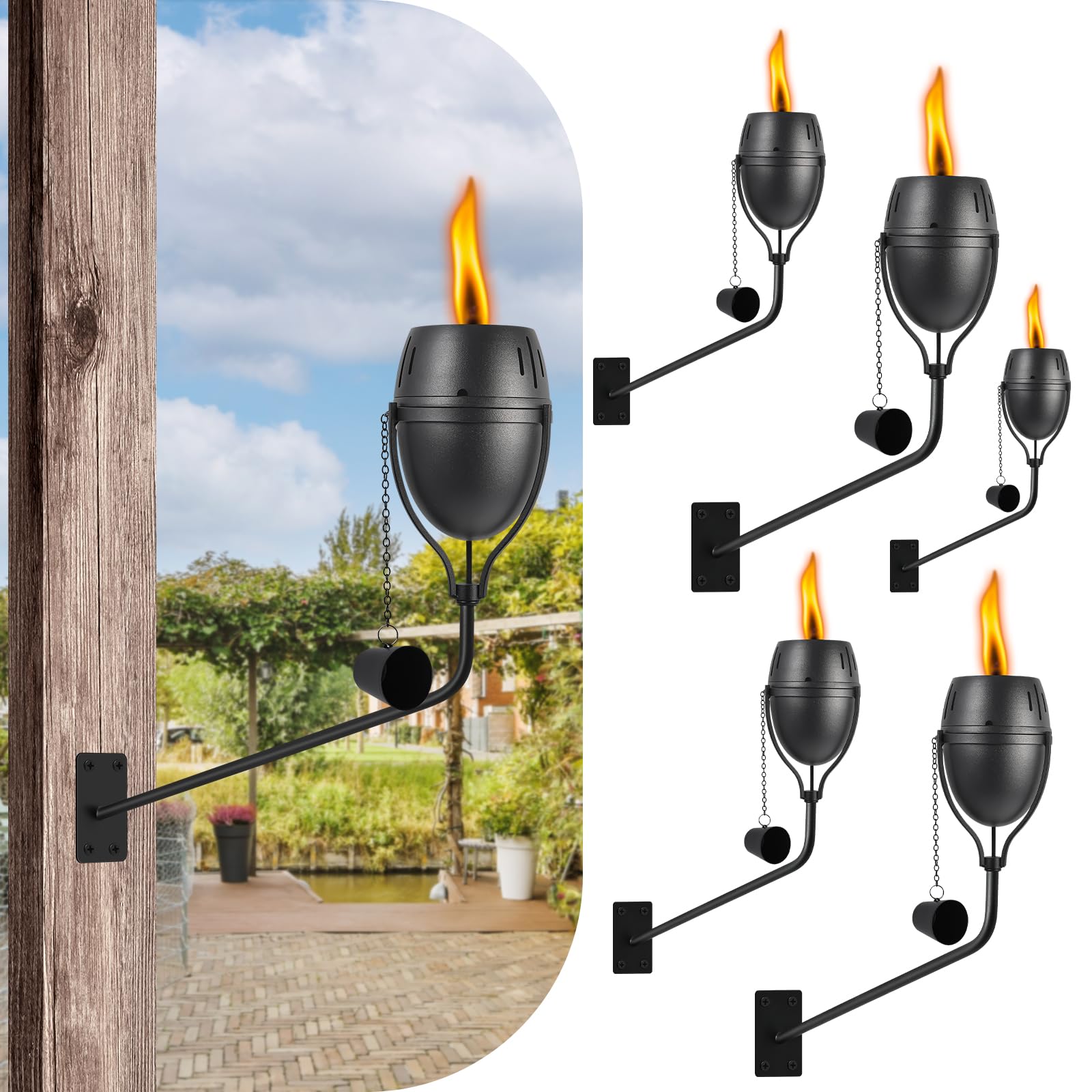
TIKI Mini Fire Pit Tabletop Torch 2-Pack, Outdoor Decorative TIKI Torch for Patio, Backyard, and Garden, Black Metal Tabletop Flame Torch, Includes Long Lasting Wick and Snuffer
- Durable black metal construction
- Includes long-lasting wick
- Comes with a snuffer for easy extinguishing
The TIKI Mini Fire Pit Tabletop Torch offers a compact yet robust solution, proving its resilience against the harsh elements of 2026's extreme weather, making it a reliable choice for enduring outdoor ambiance.
View on Amazon →As an Amazon Associate I earn from qualifying purchases.
What about fire bowls?
While our primary focus was on traditional torches, we also observed the performance of fire bowls during the 2026 weather events. Generally, fire bowls constructed with thicker steel and treated with rust-resistant coatings fared better than torches. The larger mass of the bowl provided greater thermal stability, reducing the risk of warping in extreme heat.
However, fire bowls were more susceptible to water damage. The larger surface area meant more opportunities for water to pool and accelerate corrosion. Fire bowls with integrated drainage systems performed significantly better. Brands like Bali Outdoors, known for their heavy-duty steel construction, saw fewer warranty claims related to rust and corrosion.
The design also mattered. Fire bowls with a raised base prevented direct contact with the ground, reducing the risk of rust. Overall, the data suggests that fire bowls, while more robust in some ways, require more diligent maintenance to prevent water damage.
No comments yet. Be the first to share your thoughts!